
Draft for: https://dodgego.com/dodge-challenger-the-best-crash-test/
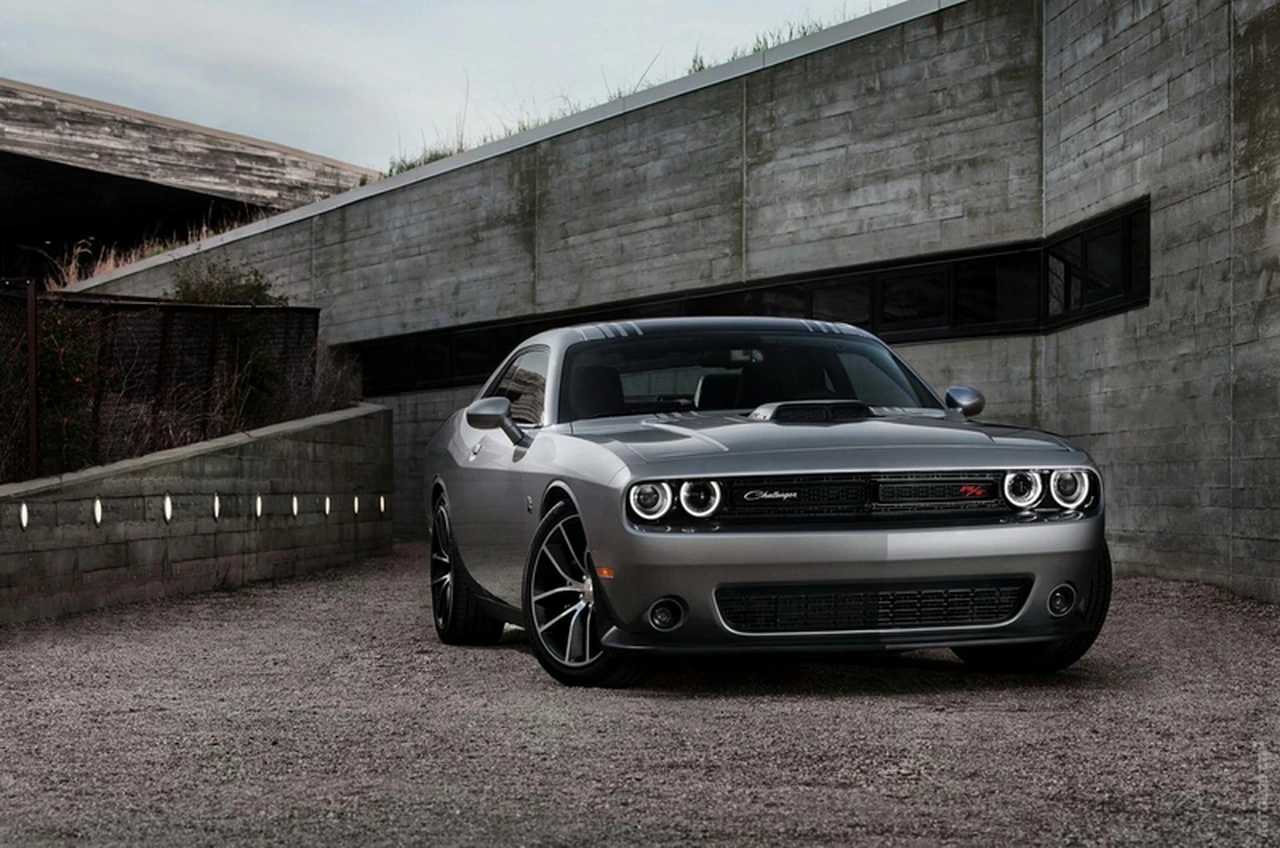
The Dodge Challenger was never built to be a beige safety appliance. It was built as a big American two-door muscle car with a long hood, rear-drive proportions, real HEMI availability, and enough attitude to make a commute feel like a cruise night. That does not mean safety is irrelevant. In fact, the Challenger is a perfect example of why shoppers should read crash-test results carefully instead of stopping at horsepower, curb weight, or star ratings alone.
Quick Answer
The best way to judge Dodge Challenger crash-test performance is to compare NHTSA star ratings with IIHS crashworthiness categories, then look at the exact model year and safety equipment on the car you are considering. Later Challengers generally benefit from the mature LA-platform structure, standard stability control, modern airbag coverage, available driver-assistance features, and strong mass advantage compared with smaller cars. However, the Challenger is an older design by modern standards, and its IIHS profile has historically shown that it is not a universal top-safety-pick type of vehicle. The smartest conclusion is balanced: the Challenger can be a reasonably protective large coupe when properly equipped, maintained, and driven with respect, but it should not be evaluated as if it were a newly engineered family crossover with the latest crash-avoidance suite.
For shoppers, the best crash-test choice is usually a late-model Challenger with intact factory safety equipment, no salvage history, good tires, working seat belts, functioning airbags, and available blind-spot or forward-collision technology if the trim offers it. For owners, the most important safety upgrade is not a sticker, a louder exhaust, or an aggressive wheel offset. It is a disciplined maintenance plan: tires, brakes, lighting, alignment, seat belts, recalls, and driver behavior.
How Crash Testing Works
NHTSA and IIHS do related but different work. NHTSA, the federal safety agency, publishes New Car Assessment Program star ratings. Shoppers often recognize the five-star format because it is easy to scan and appears in many vehicle listings. IIHS, an insurance-industry research organization, publishes ratings such as Good, Acceptable, Marginal, and Poor across specific crashworthiness and crash-avoidance tests. IIHS also evaluates headlights, child-seat anchor ease of use, and front crash-prevention systems when data are available.
The two systems should be read together. A vehicle can look strong in one area and weaker in another because the tests are not identical. A frontal barrier result is not the same as a small-overlap front result. A side-impact rating is not a rollover result. A headlight rating is not a structural crash rating. The Challenger’s safety story is therefore not a single sentence. It is a pattern of strengths, compromises, and model-year details.
Another important point is vehicle class. Crash-test ratings are most useful when comparing vehicles of similar size and weight. A large coupe like the Challenger has mass on its side in many real-world two-vehicle crashes, but mass is not magic. Structure, restraint systems, crash pulse management, belt performance, airbag timing, tire grip, and driver-assistance technology all matter. A heavy car with old tires and disabled safety systems is not safer than a well-maintained car simply because it weighs more.
Challenger Safety Snapshot
| Safety area | What to check | Why it matters | Owner advice |
|---|---|---|---|
| Frontal crash protection | NHTSA frontal stars and IIHS overlap results | Different frontal tests stress the structure in different ways | Compare exact model year and trim, not only the name Challenger |
| Side crash protection | Side-impact results, curtain airbags, seat-mounted airbags | Side impacts leave less crush space than front impacts | Reject cars with airbag warning lights or unknown crash repairs |
| Rollover resistance | NHTSA rollover data and stability control condition | Wide tires and high power can create loss-of-control risk | Keep ESC functional and avoid mismatched tires |
| Crash avoidance | Blind-spot monitoring, forward collision warning, adaptive cruise where equipped | Preventing the crash is better than surviving it | Test sensors after windshield, bumper, or wheel work |
| Lighting | Headlamp condition, aim, bulb type, lens clarity | Night visibility changes reaction time | Restore cloudy lenses and aim lamps after suspension changes |
| Tires and brakes | Age, tread, pressure, pad condition, fluid age | Crash tests assume the car can steer and stop properly before impact | Use quality tires matched in size, speed rating, and load rating |
What The Challenger Does Well
The Challenger’s biggest safety advantage is its size and stability. It is a wide, long-wheelbase coupe with a substantial body and a predictable rear-drive layout. On the highway, that translates into a settled feel, especially compared with shorter, lighter performance cars. The car does not feel nervous at speed when the suspension, tires, and alignment are right. That calmness can be a safety asset because the driver receives clear feedback and the car does not need constant correction.
Later Challengers also gained a broad package of expected modern features. Electronic stability control, anti-lock brakes, traction control, advanced multi-stage airbags, side-curtain coverage, tire-pressure monitoring, backup camera availability, and available blind-spot monitoring all help reduce risk. Some late cars offered forward collision warning and adaptive cruise depending on trim and package. None of those systems turns a Challenger into an autonomous safety pod, but they make the car more forgiving in daily traffic.
The braking hardware on performance trims is another strength when maintained correctly. R/T Scat Pack, SRT, Hellcat, and widebody variants can be equipped with serious Brembo systems and wide performance tires. These parts are designed to handle the speed potential of the car. The catch is that maintenance matters. Worn pads, old brake fluid, cheap replacement tires, and mismatched wheel setups can erase much of that engineering advantage.
Where The Challenger Needs Context
The Challenger’s basic platform is older than many vehicles it is cross-shopped against today. That age does not make it unsafe by default, but it does mean the car was not born around the newest IIHS test priorities or the latest driver-assistance expectations. Modern crash testing has become more demanding, especially around small-overlap protection, rear-seat protection, pedestrian detection, headlight performance, and automatic emergency braking. A car designed in an earlier era can still perform well in many categories while missing the very latest safety-award thresholds.
Visibility is another practical issue. The Challenger has a high beltline, thick rear quarters, and a long hood. Drivers who love the retro shape should still respect the blind spots. A backup camera, blind-spot monitoring, properly adjusted mirrors, and patient lane changes matter. A crash-test score cannot compensate for a driver who cannot see a vehicle hiding near the rear quarter panel.
Power also changes the safety equation. The same platform can be a V6 commuter, a 5.7-liter R/T, a 392 Scat Pack, a Hellcat, or a Demon-style drag weapon. The structure may be related, but the risk profile is not identical. More power increases closing speed, tire stress, brake heat, and the consequences of poor throttle judgment. The best safety feature in a high-power Challenger is a driver who understands surface conditions and leaves traction control on for normal roads.
Best Model Years To Consider From A Safety Perspective
For most buyers, late-model Challengers are the easiest to recommend because they are more likely to have updated infotainment, backup-camera integration, fresher airbags and belts, available driver-assistance packages, and less age-related wear. A 2020-2023 car with clean history and working safety electronics is generally a more rational safety buy than an early high-mileage example with unknown repairs. That is especially true if the older car has been modified by multiple owners.
Do not assume the highest trim is automatically the safest. A Hellcat may have better brakes and tires, but it also has much more power and may have lived a harder life. A clean SXT or R/T with excellent tires and documented maintenance may be a safer daily driver than an abused supercharged car wearing bargain rubber. Inspection should decide the case. Check for airbag lights, seat-belt pretensioner codes, mismatched paint, uneven panel gaps, missing underbody panels, bent suspension arms, and evidence of flood or salvage history.
If child-seat use matters, pay close attention to LATCH access and rear-seat practicality. The Challenger has a usable rear seat for a coupe, but it is still a two-door car. Installing a child seat may be physically awkward, and IIHS LATCH ease-of-use ratings should be checked before assuming family convenience. For daily family duty, a Charger, Durango, or other four-door vehicle may be easier to live with.
Used Challenger Safety Inspection Checklist
Start with the safety systems. Turn the key on and make sure warning lights illuminate briefly and then go out. A missing bulb or taped-over airbag light is a major red flag. Scan the car with a capable diagnostic tool, not just a generic code reader. Airbag, ABS, stability control, body control, and radar or camera modules can store faults that do not always appear as obvious drivability problems.
Next, inspect tires. Tire age matters as much as tread depth on a performance car. Look at the DOT date code. A Challenger with six-year-old tires may pass a quick visual check and still be compromised in wet weather. Confirm all four tires match in model, size, speed rating, and load rating unless a factory staggered setup applies. Cheap rear tires on a high-power Challenger are not a bargain. They are a safety tax waiting to be collected.
Then inspect brakes and suspension. Heavy, fast cars consume pads, rotors, bushings, and ball joints. Listen for clunks, vibration under braking, steering pull, and uneven tire wear. If the car has aftermarket lowering springs, wheels, spacers, or alignment changes, verify that nothing rubs, binds, or interferes with brake lines and ABS wiring. A good-looking stance can become a real problem during an emergency maneuver if geometry and tire clearance are wrong.
Driver Advice For A Safer Challenger
Leave stability control enabled on public roads. Dodge gave performance trims modes for controlled fun, but public roads are not prepared drag strips. Use the performance pages and launch features only where legal and appropriate. Warm the tires before expecting grip, especially with summer performance rubber in cool weather. Remember that wide tires can hydroplane if tread depth is low and standing water is present.
Set mirrors correctly. The Challenger’s shape is dramatic, but blind spots are real. Adjust side mirrors outward enough to reduce overlap with the rearview mirror. Use shoulder checks even with blind-spot monitoring. Keep the rear camera lens clean. Replace worn wipers and polish or restore cloudy headlight lenses. These small details prevent more trouble than most owners want to admit.
Finally, respect closing speed. The car’s power can hide how quickly traffic situations develop. Give yourself more following distance than you think you need, especially in a Scat Pack or Hellcat. Weight, speed, and reaction time are a ruthless combination. A Challenger is safest when driven like a professional: smooth hands, good vision, early braking, and throttle only when the car is pointed where you want it to go.
FAQ
Does the Dodge Challenger have good crash-test ratings?
It has performed well in some categories and less impressively in others, depending on model year and test. Always compare NHTSA and IIHS results for the exact year. Do not rely on a generic statement for every Challenger.
Is the Challenger safer because it is heavy?
Mass can help in some real-world two-vehicle crashes, but it is not a substitute for structure, restraints, stability control, tires, brakes, and driver behavior. A heavy car still needs grip and control before impact.
Which Challenger is safest to buy used?
A late-model, clean-title car with working airbags, no crash repair concerns, good tires, active recalls completed, and available driver-assistance features is usually the safest bet. Condition matters more than badge prestige.
Are Hellcat Challengers safe daily drivers?
They can be, but they demand respect. The power level makes tire quality, brake maintenance, throttle discipline, and stability-control use especially important on public roads.
Should I avoid modified Challengers?
Not automatically, but inspect them more carefully. Suspension, wheel, brake, power, and airbag-related modifications can affect safety. Avoid cars with unknown crash repairs or disabled warning systems.
Sources
- IIHS Dodge Challenger vehicle ratings: https://www.iihs.org/ratings/vehicle/dodge/challenger-2-door-coupe/2023
- NHTSA vehicle ratings lookup: https://www.nhtsa.gov/ratings
- IIHS report on muscle-car safety-award performance: https://www.iihs.org/news/detail/muscle-cars-fall-short-of-safety-awards
- Dodge official Challenger model information: https://www.dodge.com/challenger.html
- NHTSA driver-assistance technology overview: https://www.nhtsa.gov/equipment/driver-assistance-technologies
Recommended next reads
Use these related DodgeGo guides to move from model context to ownership checks, fitment details, and relevant parts research.
- Model context: DODGE CHARGER VS CHALLENGER COMPARISON: ULTIMATE MODERN MUSCLE CAR FACE OFF! — platform, body-style, and ownership differences.
- Parts and fitment: Best floor mats for Dodge Challenger: all-weather, carpet, and exact-fit options — exact-fit protection and current Amazon-linked floor-liner options.
- Parts and fitment: Best tail lights for Dodge Challenger: LED, smoked, and plug-and-play fitment — model-year fitment and current Amazon-linked LED assemblies.
- Recommended next read: Dodge Challenger test drive — more model-specific context, practical details, and ownership takeaways.