
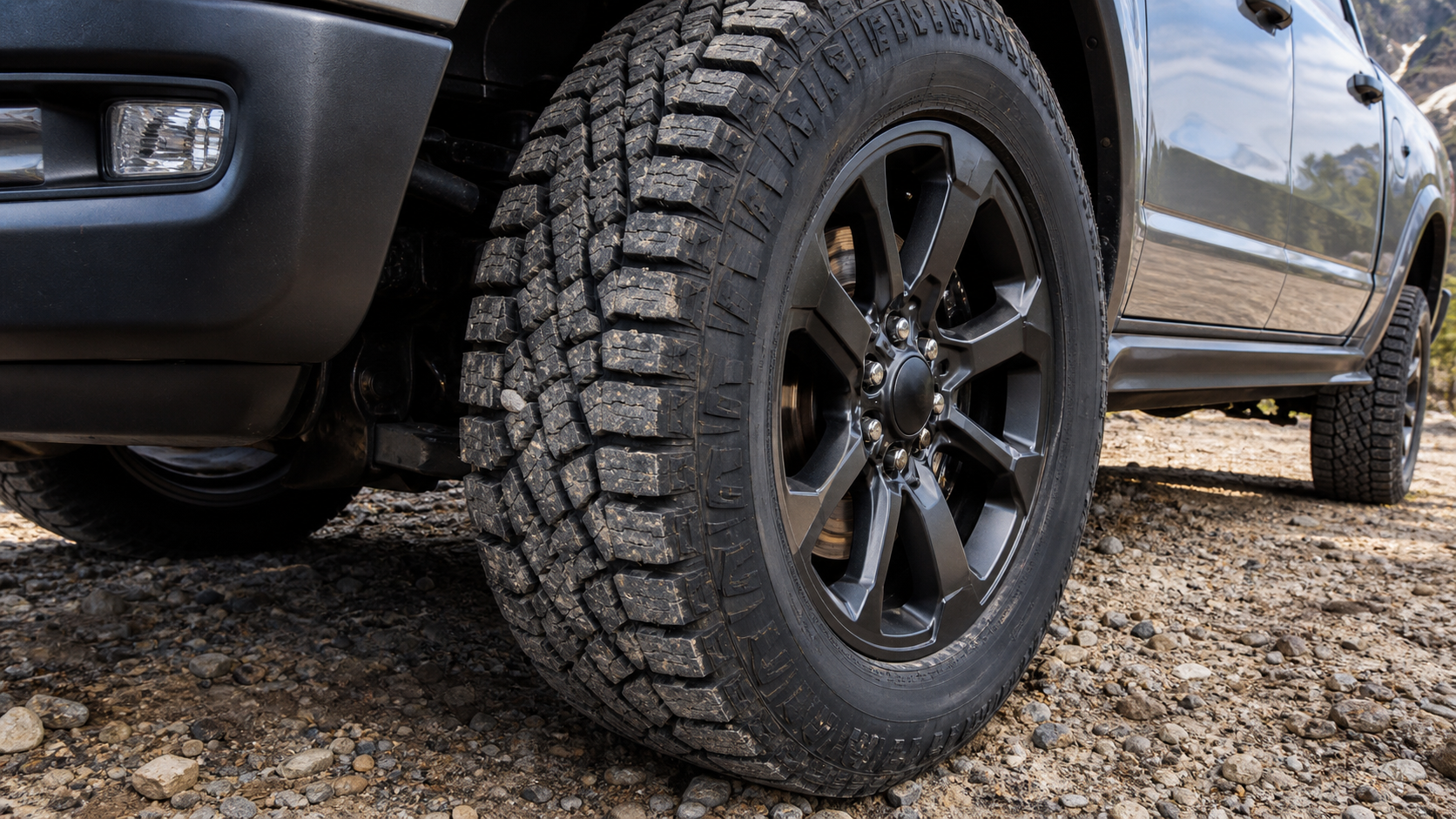
Updated: July 2026. We rechecked Ram 1500 tire size, load index, wheel diameter, lift or leveling status, towing use, current product availability, and the owner complaints that matter most for each tread type.
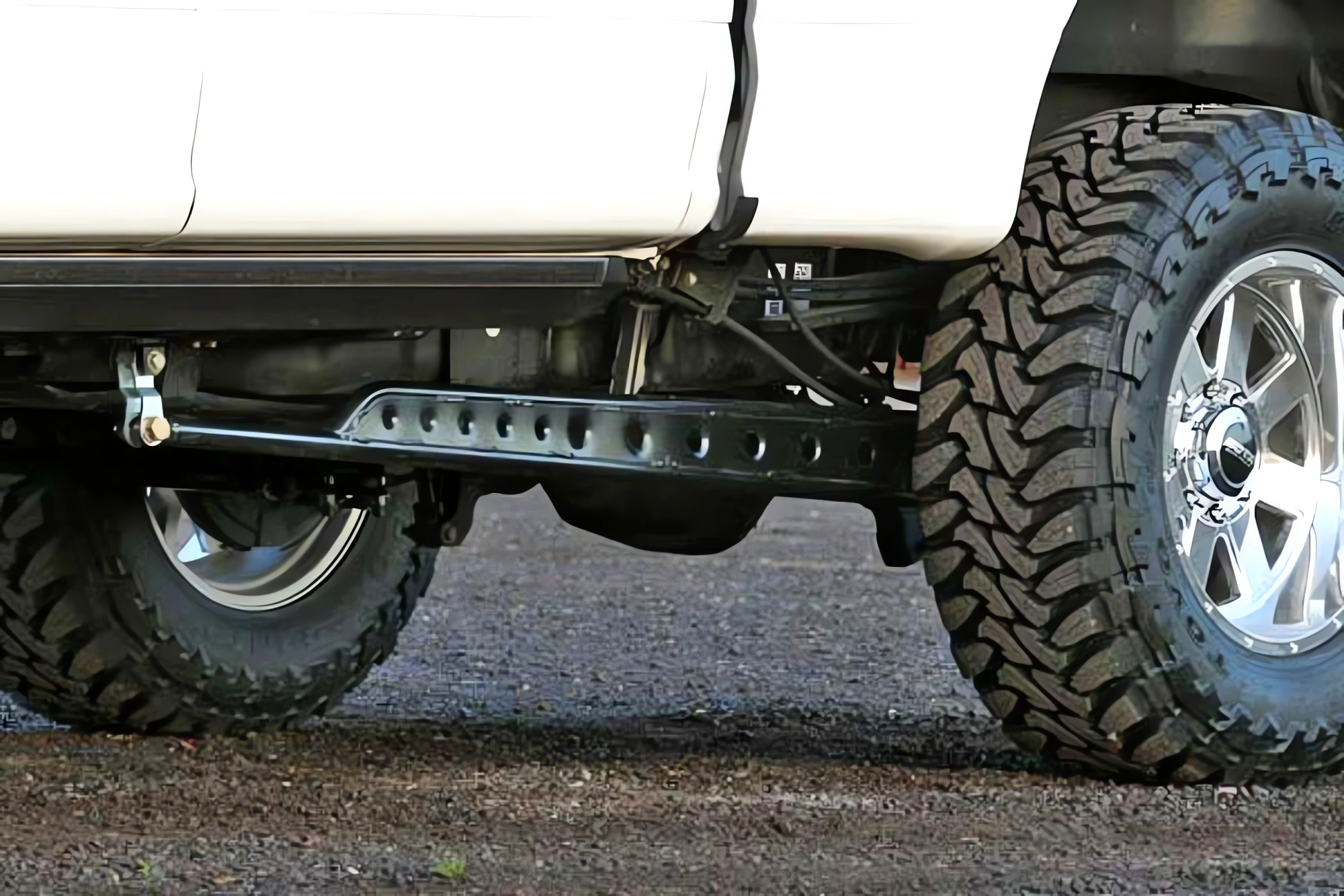
Short answer: there is no single best tire for every Ram 1500. A stock truck on 20-inch wheels usually needs a different tire than a leveled truck on 35s, and a towing setup should not chase tread aggression at the expense of load rating, heat control, and highway stability. Start with the door-jamb placard and the tire size already on the truck, then choose the tread type.
Quick picks
| Use case | Recommended product | Best fit | Check before buying |
|---|---|---|---|
| Stock 20-inch highway replacement | Goodyear Wrangler SR-A 275/60R20 114S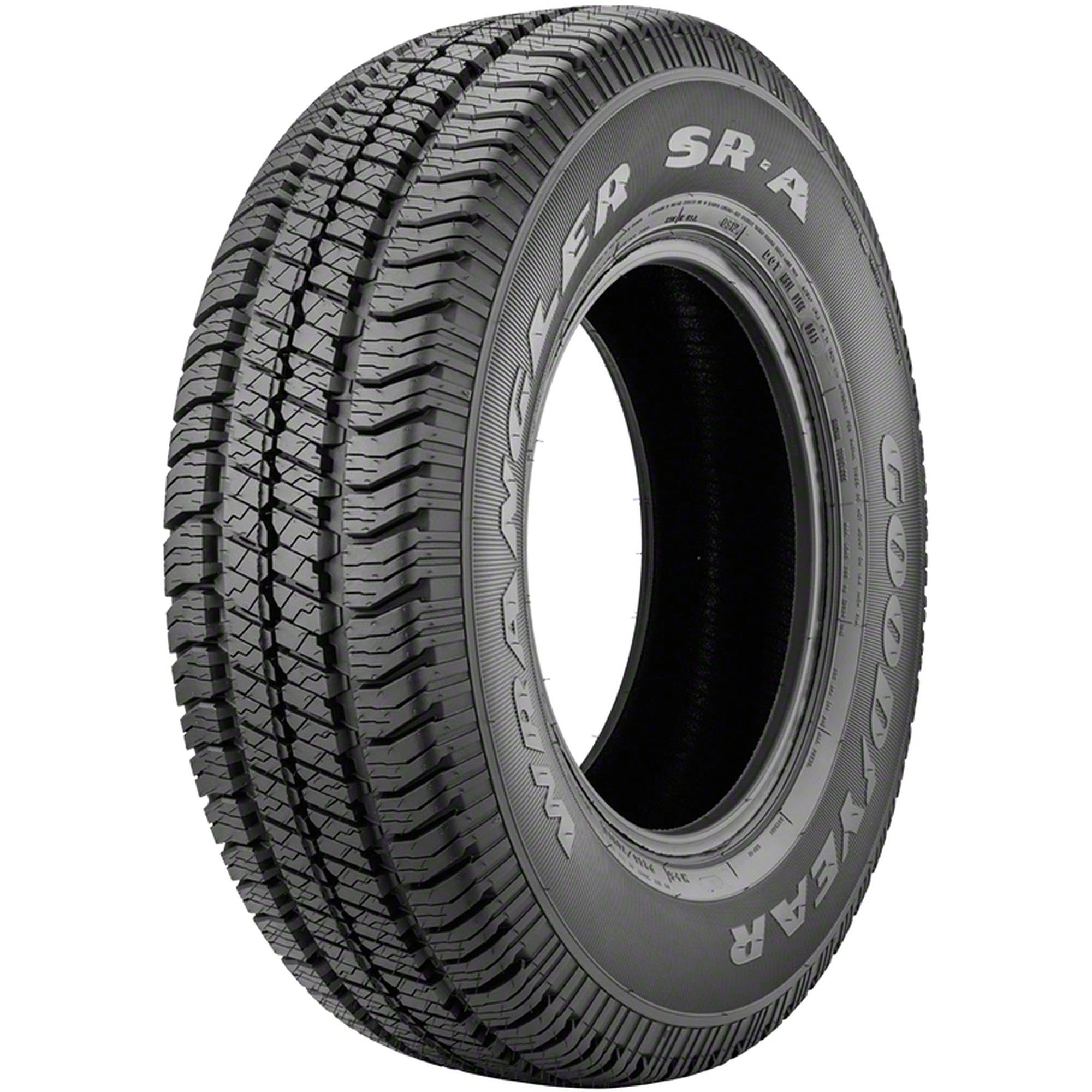
|
Ram 1500 trucks already running 275/60R20 with a matching or acceptable load and speed rating | Door placard, towing load, snow expectations, and current tire load index |
| Aggressive all-terrain look on lifted trucks | Nitto Ridge Grappler 35×12.50R20LT F 125Q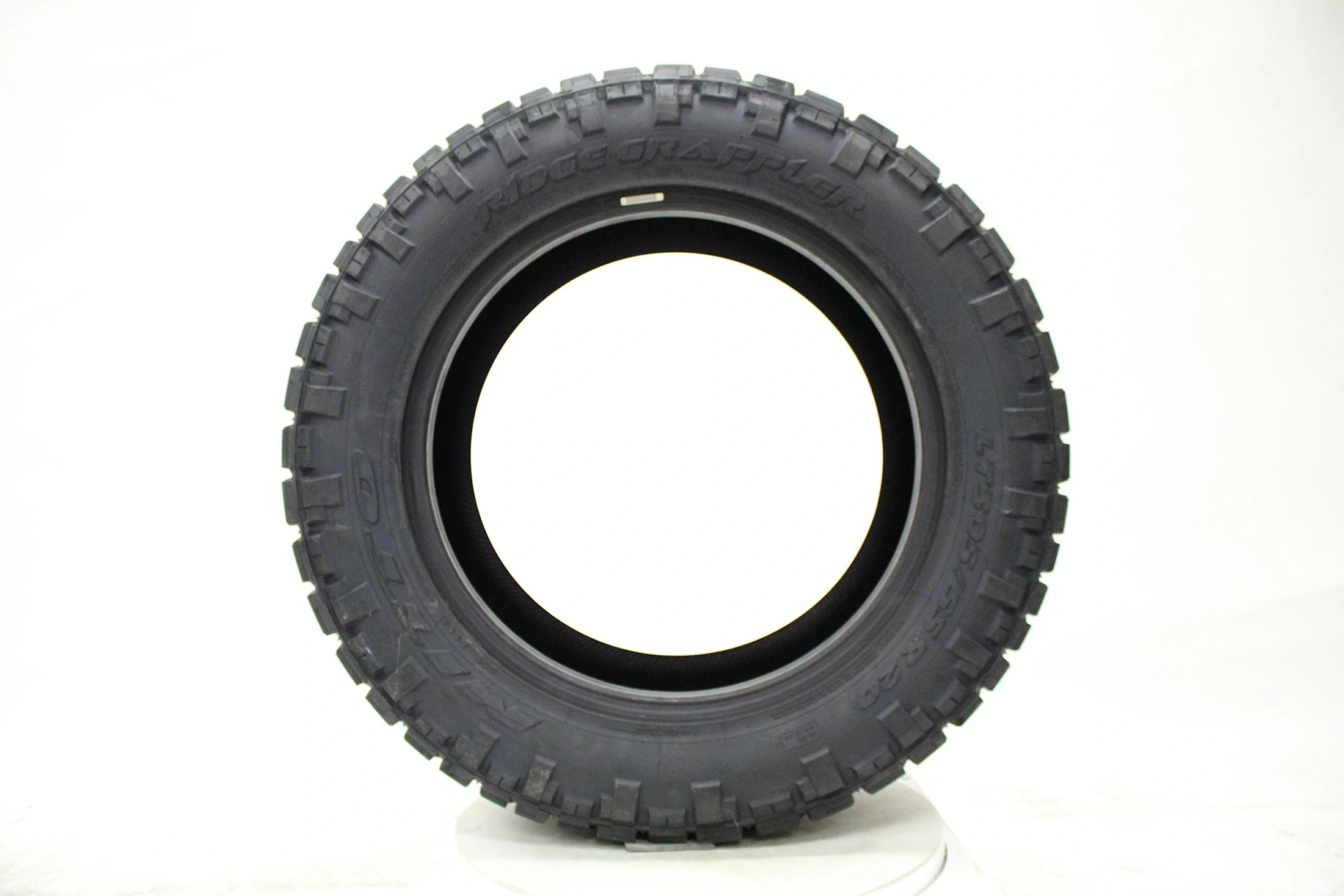
|
Lifted or carefully leveled Ram 1500 builds where a 35-inch LT tire is already planned | Rubbing, wheel offset, speedometer recalibration, load range, and MPG loss |
| Budget mud-terrain style option | Road One Cavalry M/T X LT275/60R20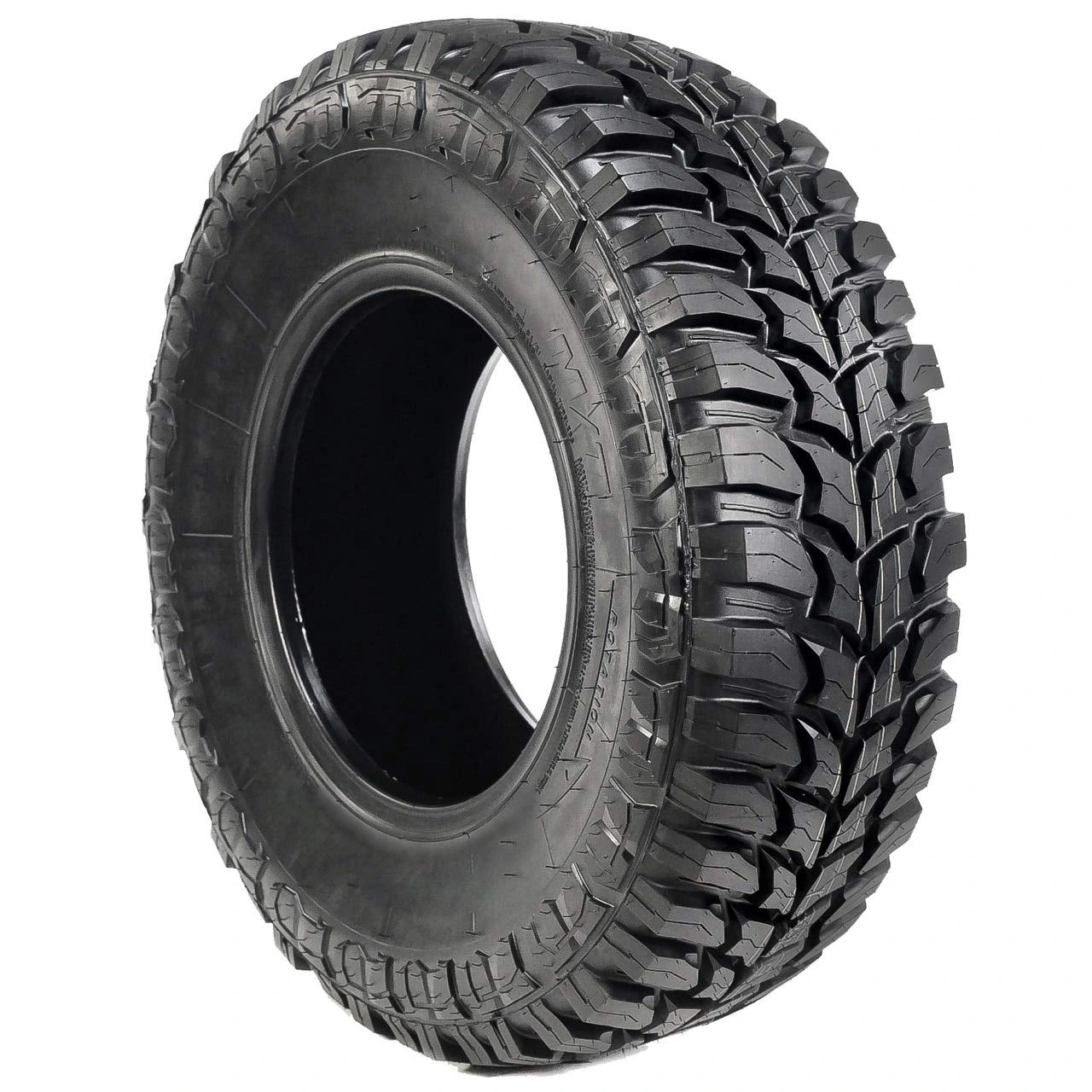
|
Drivers who accept mud-terrain noise and wet-road tradeoffs | Road noise, wet braking, balance quality, and towing comfort |
| OE-style 17-inch wheel replacement | Road Ready 17-inch steel rim for 2013-2024 Ram 1500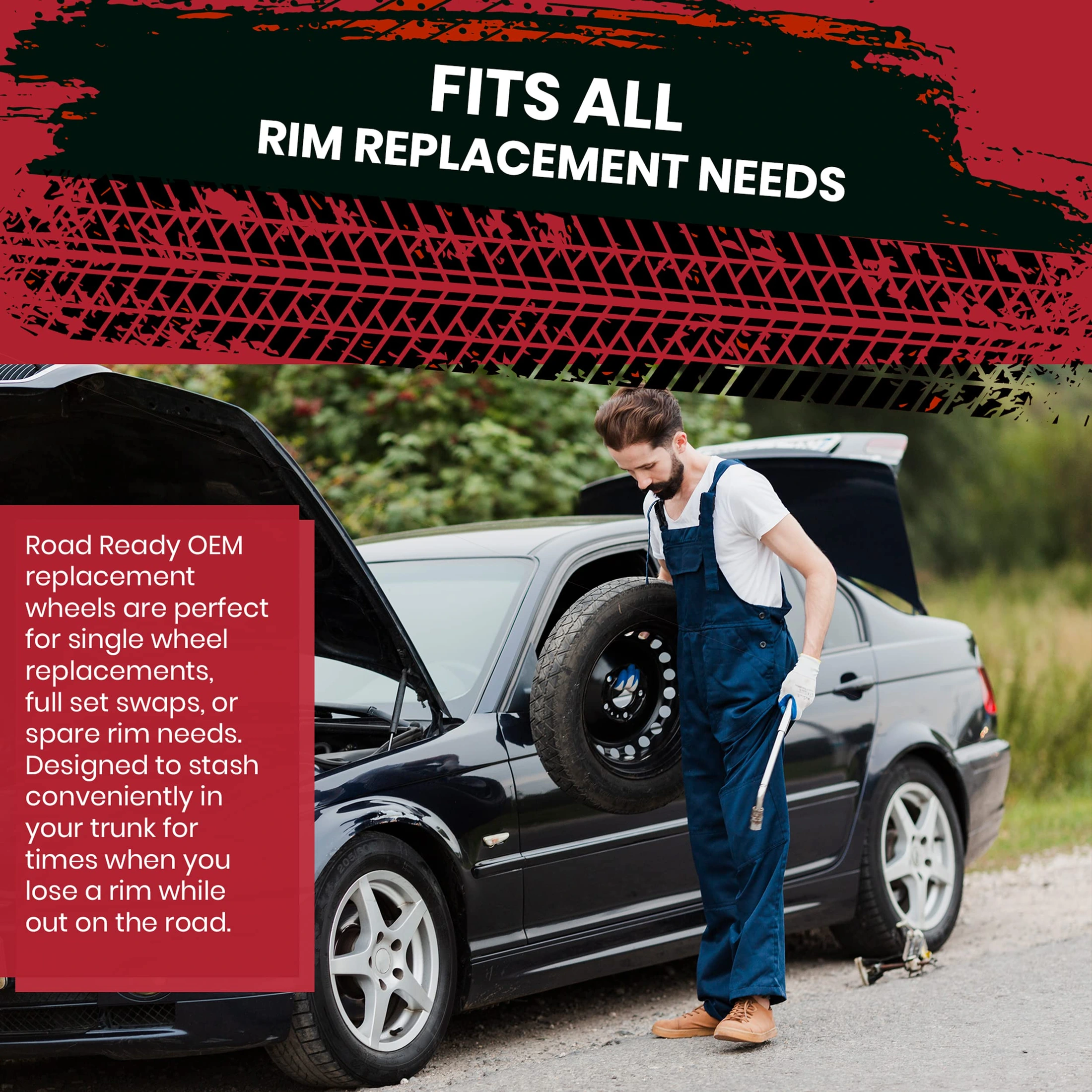
|
Replacing a damaged 17-inch OE-style steel wheel, not upgrading tires | Bolt pattern, trim brake clearance, TPMS transfer, lug nuts, and wheel width |
Fitment-first checklist
- Confirm whether the truck is a Ram 1500, not a Ram 2500 or 3500. HD tire guidance is different.
- Read the tire size and load index from the door placard and the current sidewall.
- Match the wheel diameter: 17, 18, 20, or 22 inches.
- Check whether the truck is stock height, leveled, lifted, or running aftermarket wheels.
- For towing, keep load index and highway stability ahead of tread pattern style.
- For 35-inch tires, check fender clearance, wheel offset, upper control arm clearance, and trimming requirements before purchase.
Common Ram 1500 size paths
| Setup | Common size path | Typical use | Important warning |
|---|---|---|---|
| Stock 20-inch wheel | 275/60R20 is common on many Ram 1500 trims | Daily driving, light towing, highway miles | Do not assume every trim uses the same load or speed rating. |
| Stock 17-inch wheel | 17-inch tire sizes vary by generation and trim | Work-truck use, winter wheel sets, OE replacement | Brake clearance and TPMS transfer must be checked when replacing wheels. |
| Leveled or lifted 20-inch build | 35×12.50R20LT is a common oversized target | Off-road appearance, trail use, aggressive stance | Usually needs lift, offset planning, recalibration, and acceptance of fuel economy loss. |
| Towing-focused setup | Use the correct OE size or an LT-rated equivalent only after load math | Trailers, payload, long highway trips | A rougher tire can reduce comfort and wet traction if chosen only for looks. |
Product comparison
Product notes
Goodyear Wrangler SR-A 275/60R20 114S
Check current price on Amazon
This is the safest current Amazon product in the product review for a stock-style 20-inch Ram 1500 tire because the listing size, 275/60R20, matches a common Ram 1500 path. It should be treated as a daily-driver and highway option, not as the best answer for mud, rocks, or a leveled show build.
Owners usually look for this kind of tire when they want predictable road manners, reasonable noise, and simple replacement sizing. Before buying, confirm the truck’s placard size, load index, speed rating, and towing needs. If the truck frequently pulls a trailer, do not downgrade load capacity just to save money.
Nitto Ridge Grappler 35×12.50R20LT F 125Q
Check current price on Amazon
The Ridge Grappler option belongs in the lifted or carefully leveled Ram 1500 lane. The listed 35×12.50R20LT size is not a casual replacement for a stock 275/60R20 tire. It can give the truck an aggressive stance, but the real question is whether the suspension, wheels, and body clearance support it.
Common tradeoffs include added tire weight, possible rubbing, higher rolling resistance, slower acceleration, speedometer error, and more road noise than a highway tire. Check wheel offset, lift height, fender clearance, and whether recalibration is needed before ordering.
Road One Cavalry M/T X LT275/60R20
Check current price on Amazon
This is the current live CSV option for drivers who want a mud-terrain look in a 275/60R20 size. It should not be sold as the quietest or best wet-weather daily tire. Mud-terrain tread blocks can feel louder and less refined on a half-ton truck that spends most of its life on pavement.
Use it only after checking the live listing’s exact load rating, production details, and return policy. If the Ram is a family daily driver or a towing truck, a milder all-terrain or highway tire may be the better real-world choice.
Road Ready 17-inch steel rim for 2013-2024 Ram 1500
Check current price on Amazon
This product is not a tire, but it is useful for Ram owners replacing a damaged OE-style 17-inch steel wheel. Confirm bolt pattern, brake clearance, wheel width, offset, hub bore, TPMS compatibility, lug seat type, and whether the listing fits the exact model year and trim.
Buyer guide
All-terrain vs highway vs mud-terrain
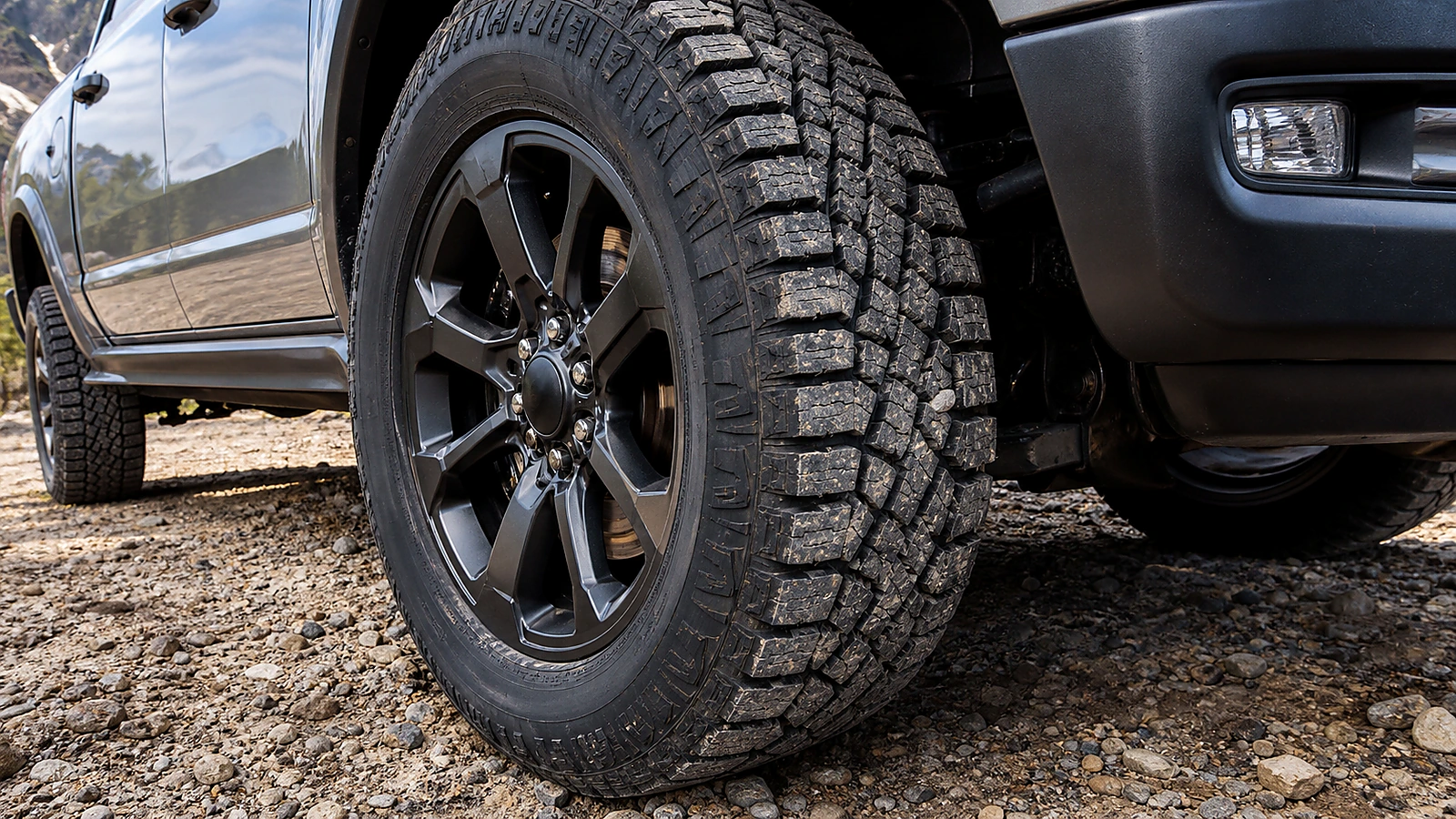
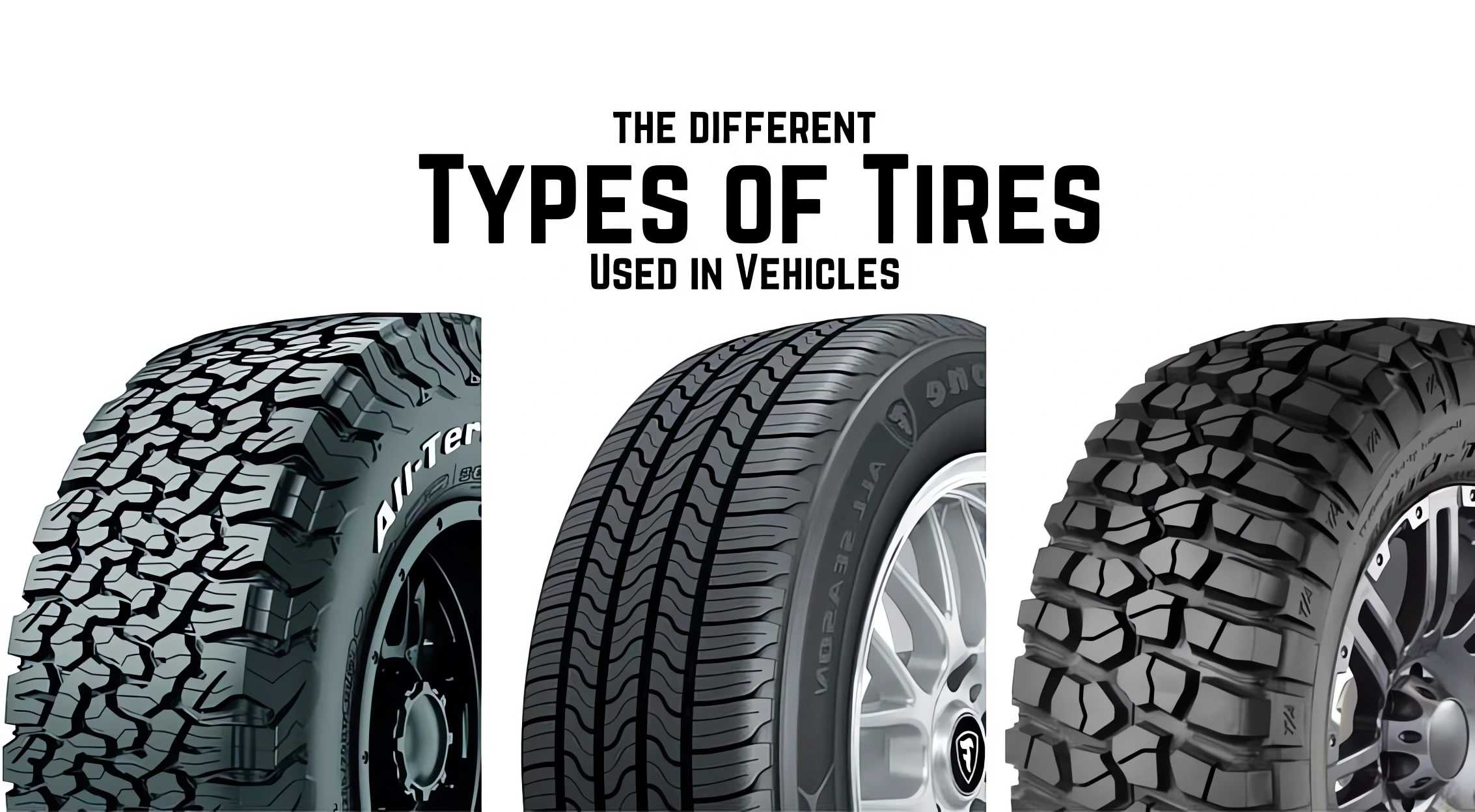
Highway and all-season tires are usually better for quiet daily driving, wet pavement, and long towing trips. All-terrain tires add dirt-road and light-trail confidence but can add noise and weight. Mud-terrain tires look serious and work in soft terrain, but they are rarely the best fit for a mostly paved Ram 1500.
Load index and towing
For towing, the tire must support the load the truck will actually carry. Match or exceed the required load index and keep inflation within the tire and wheel limits. Do not assume an LT tire is automatically better; it can ride firmer and may require different pressures.
What changes after leveling or lifting
A level kit changes the clearance conversation but does not magically make every 35-inch tire fit. Wheel offset, tire width, upper control arm clearance, cab mount clearance, and fender liner position all matter. Plan alignment and speedometer recalibration as part of the tire budget.
Installation and maintenance notes
- Have the tires road-force balanced if vibration appears after installation.
- Reset or transfer TPMS sensors when changing wheels.
- Check alignment after changing tire size, suspension height, or wheel offset.
- Re-torque lug nuts after the installer’s recommended mileage.
- Rotate tires on schedule; aggressive tread patterns get noisy faster when neglected.
Owner feedback synthesis
Ram 1500 owners tend to judge tires by five things: road noise, wet braking, tread life, winter behavior, and whether the tire rubs after upsizing. The most common mistake is buying by appearance first and discovering later that the tire is loud, heavy, or wrong for towing. The second most common mistake is ignoring the difference between Ram 1500 and Ram 2500/3500 load expectations.
How to choose by driving profile
Mostly highway and commuting
A daily-driven Ram 1500 usually benefits from a quieter highway or mild all-terrain tire more than from the most aggressive tread on the shelf. The truck may look better with a deep shoulder lug, but the owner has to live with the tire every morning: cold-start vibration, wet-lane-change confidence, steering response, and cabin noise matter. If the truck spends most miles on pavement, start with the OE size, keep the load index appropriate, and compare tread warranties, wet traction language, and owner feedback about balance quality.
Towing and long trips
For towing, the tire decision should be boring in the best way. The right tire tracks straight, carries the load without heat drama, and does not turn a long highway pull into a constant steering correction exercise. Avoid going wider or heavier just because the truck can physically fit the tire. Wider tread can follow grooves, heavier LT tires can ride firmer, and aggressive patterns can add heat and noise during long loaded drives. Check tongue weight, payload, tire pressure requirements, and wheel rating before treating an LT upgrade as automatically better.
Snow, rain, and mixed weather
Ram owners in wet or winter climates should look beyond tread depth. A mud-terrain tire can have huge voids and still be the wrong choice for cold rain, slush, or packed snow. If the truck is a family daily driver, winter braking and predictable wet handling should outrank appearance. Look for severe-snow-service markings only when the exact tire and size have that rating; do not assume every tire in a model family carries the same weather credentials. If winter is serious, a dedicated winter wheel-and-tire setup may beat any all-terrain compromise.
Jobsite, gravel, and light trail use
For jobsites and gravel roads, sidewall strength and puncture resistance can matter more than pure mud traction. A mild all-terrain with a stable carcass may be easier to live with than a full mud-terrain if the truck still does school runs and highway miles. Check whether the tire is prone to stone retention, because trapped stones can be noisy and may chip pavement or damage the tread over time. Also consider how often the truck carries tools, fuel, compressors, or bed cargo, because that weight changes the real load on the rear axle.
Pre-purchase fitment and cost checklist
Before ordering tires, write down the current tire size, wheel diameter, wheel width, offset if known, current suspension height, and whether the truck has rubbed at full lock. Then decide whether the purchase is a replacement, a small upgrade, or a full modified-fitment change. Replacement tires should be simple: match the size and load requirement, then choose tread type. Modified fitment needs more work: lift height, upper control arm clearance, fender liner position, mud flap clearance, and spare-tire storage all become part of the decision.
The tire price is only the first number. Add mounting, balancing, valve stems or TPMS service, alignment if suspension or tire size changed, possible recalibration, and a spare strategy. A 35-inch tire may not fit where the factory spare lived. A heavy LT tire may need different pressures to avoid center wear or shoulder wear. If the truck already has worn shocks, tired ball joints, or loose steering parts, new tires can make those problems more noticeable rather than fixing them.
Wear patterns and maintenance signals
Good tires can still disappoint if the truck is out of alignment or the rotation schedule is ignored. Feathering across the tread usually points toward alignment or worn steering parts. Center wear can come from too much pressure for the actual load. Shoulder wear can come from underinflation, hard cornering, or an alignment issue. Cupping often points toward shocks, struts, balance, or suspension wear. When a Ram owner says a tire is loud after a few thousand miles, uneven wear is often part of the story.
Rotate on schedule, measure tread depth across the inner, center, and outer ribs, and keep notes after towing trips. If the truck runs different loads seasonally, pressure may need to be adjusted within the tire and vehicle limits. Recheck torque after installation, inspect sidewalls after off-road use, and do not ignore small vibration changes. A half-ton truck is heavy enough that a minor tire or wheel issue can become expensive quickly.
FAQ
What is the best all-terrain tire for a Ram 1500?
For most owners, the best all-terrain tire is the one that matches the OE size, load requirement, climate, and noise tolerance. The product review did not include a live Falken Wildpeak AT4W or BFGoodrich KO3 option for this page, so those lanes need live product verification before final buying decision.
What size tire fits a stock Ram 1500?
Many Ram 1500 trucks use sizes such as 275/60R20, but you should use the door-jamb placard and current sidewall as the source of truth. Trim, wheel package, and model year matter.
Can a Ram 1500 fit 35-inch tires without a lift?
Often not cleanly. Some trucks can be made to work with the right leveling kit, offset, and trimming, but a 35×12.50R20 tire should be treated as a modified-fitment choice.
What tire load rating is best for towing?
The right load rating is the one that supports the truck, passengers, cargo, tongue weight, and trailer use without going below the manufacturer’s requirement. Do the load math before choosing a more aggressive tread.
Are mud-terrain tires bad for daily driving?
They can be louder, heavier, and less refined in rain than highway or mild all-terrain tires. They make sense when off-road traction matters more than pavement comfort.
Do larger tires affect MPG and speedometer accuracy?
Yes. Larger and heavier tires can reduce fuel economy, change effective gearing, and make the speedometer read incorrectly unless recalibrated.
Should I replace wheels and tires together?
Only if the wheel size, offset, load rating, and hub fitment support the tire you want. Replacing wheels adds TPMS, lug, offset, and brake-clearance checks.
Recommended next reads
Use these related DodgeGo guides to move from model context to ownership checks, fitment details, and relevant parts research.
- Model context: RAM 1500 TRIM LEVELS: WHICH IS RIGHT FOR YOU? — trim differences, equipment priorities, and buying context.
- Parts and fitment: Best running boards for Ram 1500: Crew Cab and Quad Cab fitment — body-style fitment and current Amazon-linked step options.
- Related ownership guide: Dodge 2012 Ram 1500 Critical Review — additional buying context, model details, and practical ownership takeaways.
- Model context: 2019 Ram 1500 Rebel photo guide: what to notice before you buy, build, or restore one — Rebel-specific details to inspect before buying or modifying.