
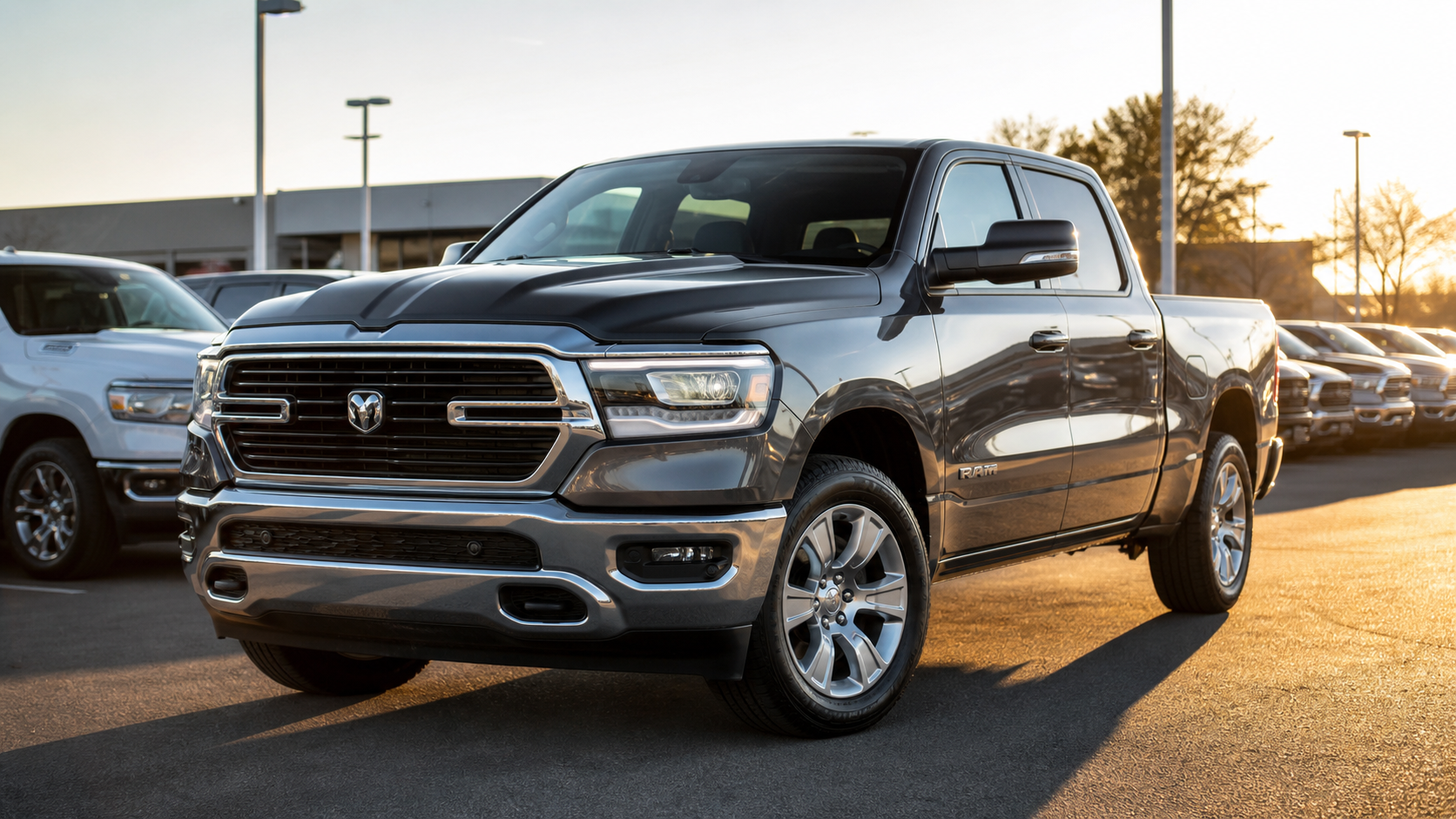
A used Ram 1500 for sale is worth pursuing when the listing matches your job: engine, cab/bed, and payload needs—not just the price.
How to read a “used Ram 1500 for sale” listing fast
Focus on three anchors before getting pulled into photos: the model year, the engine (3.6L Pentastar V6, 5.7L HEMI V8, or 3.0L EcoDiesel), and the configuration (cab, bed length, 4×2 vs 4×4). Those three pieces determine capability, running costs, and what problems tend to show up. Mileage matters, but it’s secondary to maintenance history, prior use (towing, fleet, off-road), and whether the truck’s options match what you’ll actually do with it.
Good listings make it easy to verify basics: a clear VIN, a complete option list, and service records. Thin listings tend to hide the expensive stuff. And on a half-ton truck, "cheap" can mean worn suspension, deferred brakes, or a tired 4WD system that won’t show itself in a parking-lot drive.
For quick triage:
- Match cab/bed and drivetrain to your non-negotiables before caring about trim.
- Use the VIN to check recalls and build details, then confirm with photos.
- Assume missing maintenance history lowers value until proven otherwise.
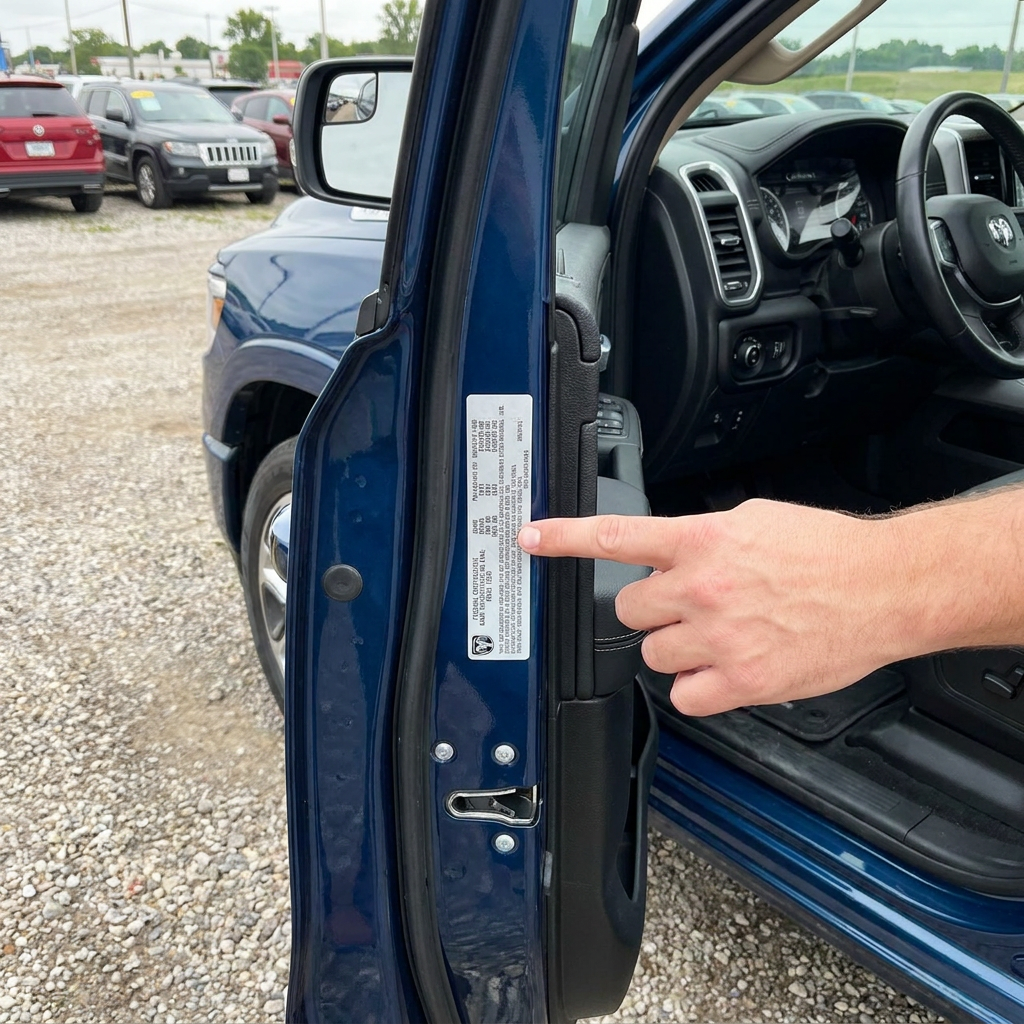
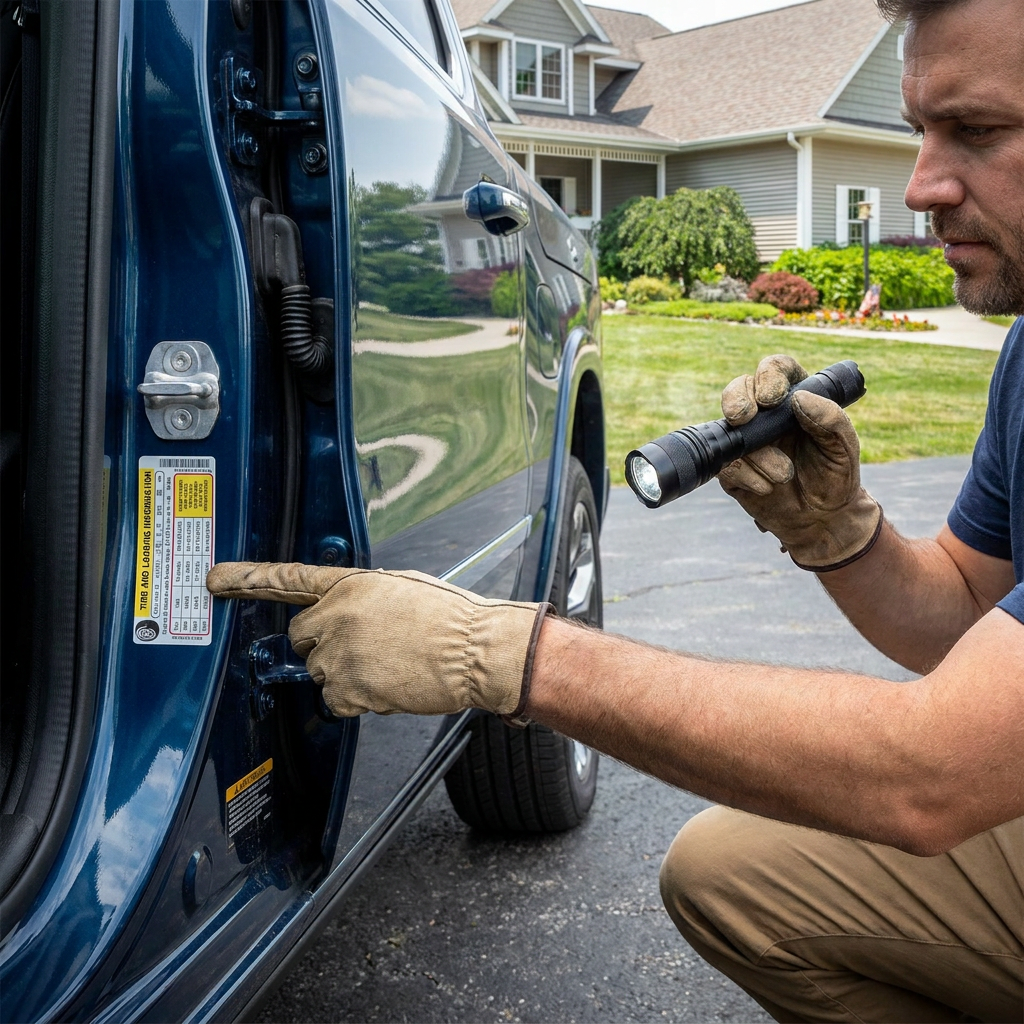
Early orientation helps. A "used Dodge Ram 1500" search still points to the Ram 1500, but listings may mix older "Dodge Ram" wording. Titles, prior owners, and trim badges can be inconsistent. The VIN and the door-jamb tire and loading label stay consistent.
What makes one used Ram 1500 worth more than another?
Pricing swings on used Ram 1500 trucks rarely come from one thing. It’s a stack: year and generation, engine choice, 4×4 hardware, cab/bed layout, and the options that change real use. A clean title with one owner can still be a poor buy if it was used hard and maintained lightly. A higher-mile truck can be a solid value if it has records and the wear items have been handled.
Start with configuration. A Crew Cab with the 5’7" bed is common and easy to live with, but it gives up bed length for daily usability. A Quad Cab can be a value play, yet rear-seat space is tighter. A 6’4" bed is more useful for work and towing stability, but it can be harder to park and sometimes harder to find in the exact trim.
Drivetrain is the next lever. 4×4 adds cost up front and adds components to maintain, but it also protects resale in many regions. A 4×2 can be the right choice for warm-weather commuting and light hauling. It just needs to be priced like a 4×2, not like a 4×4 with a lift and aggressive tires.
Options move value when they change capability, not just comfort. A factory brake controller matters if towing is real. So does the axle ratio, towing package, and cooling hardware. A sunroof and large wheels look good in photos. They don’t pull a trailer any better.
Practical price movers to look for in any used Ram 1500 for sale listing:
- Title and history: salvage, rebuilt, lemon buyback, or flood history should be priced with caution and verified carefully.
- Use pattern: regular towing, plow use, or oilfield work accelerates wear in brakes, transmission, and suspension.
- Maintenance proof: oil changes, transmission service, differential fluid, and cooling system work have real value.
- Salt exposure: underbody corrosion matters more than shiny paint in many northern states.
One more nuance: modified trucks can be either a deal or a headache. Suspension lifts, oversized tires, and aftermarket tunes often reduce driveline life and make alignment harder. Stock or lightly modified tends to be easier to evaluate and insure.
Trims, cabs, and beds: choosing the right Ram 1500 shape
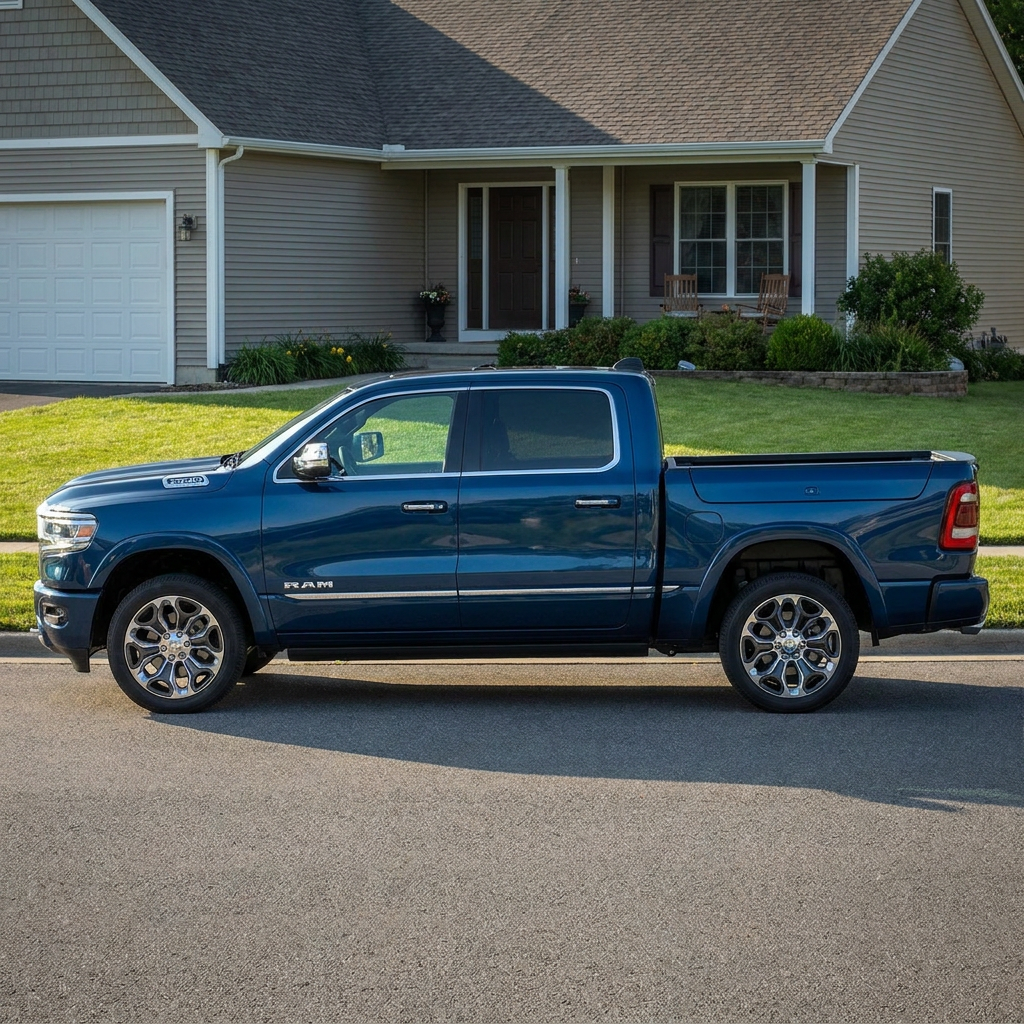
Trim names get the attention, but the "shape" of the truck decides day-to-day satisfaction. For most buyers searching Ram 1500 for sale, the core decision is cab size plus bed length, then drivetrain. Trims mostly layer comfort, tech, and appearance on top.
Cab choices tend to sort like this. Regular Cab is niche now, but it can be a strong work-truck value if payload matters more than passengers. Quad Cab fits occasional rear-seat use and can price lower than a Crew Cab. Crew Cab is the family-friendly default and dominates the used market.
Bed length is often misunderstood. A 5’7" bed works for home projects and light hauling, but it can feel short fast with motorcycles, lumber, or jobsite gear. A 6’4" bed is the sweet spot for many practical tasks. An 8′ bed is rare in this line and changes parking and turning radius dramatically.
Trim still matters, just in a different way. Tradesman and Big Horn (or Lone Star in some regions) often deliver the best cost-to-capability ratio because they avoid expensive appearance packages while still offering useful towing and tech options. Laramie adds comfort features that can raise repair costs later (air suspension, higher-end electronics) depending on configuration. Rebel leans off-road and style, but it can limit payload and towing in some builds. Limited is a luxury play. It should be evaluated like a luxury vehicle with truck running costs.
Here’s a compact way to map trims to buyer fit without turning it into a catalog.
| Scenario | Ram 1500 trim that tends to fit | Fit signal |
| Work use, basic towing, simpler ownership | Tradesman, Big Horn/Lone Star | Good fit |
| Daily driver that still tows on weekends | Big Horn/Lone Star, Laramie | Conditional (depends on options) |
| Frequent dirt roads, softer ride priority | Rebel | Conditional (watch payload/towing) |
| Luxury features matter most | Limited | Conditional (repair cost tolerance) |
Option packages can override trim stereotypes. A Big Horn with the right tow package can be more useful than a higher trim without it. A Rebel with the wrong axle ratio can disappoint on towing. The listing needs details, not just badges.
Engines and drivetrains: what changes the ownership experience?
The Ram 1500 engine choice shapes fuel spend, maintenance timing, and the kind of problems that show up. For used Ram 1500 shopping, the common trio is the 3.6L Pentastar V6, the 5.7L HEMI V8, and the 3.0L EcoDiesel. Each can be the right fit. Each has a different "cost curve."
The 3.6L V6 suits lighter-duty use, commuting, and occasional hauling. It’s often found in 4×2 trucks and can be a good value when the buyer doesn’t tow heavy. It can feel strained if the truck is loaded often or paired with tall tires and gearing that dulls response. A test drive on a steep grade tells more than a spec sheet.
The 5.7L HEMI is the mainstream pick for towing and for buyers who want effortless power. It also attracts hard use. That’s not a flaw. It just means the inspection needs to assume towing, idling, and heavier loads until proven otherwise by records and condition.
The 3.0L EcoDiesel can deliver strong torque and relaxed towing behavior, but it brings emissions-system complexity. That’s a real ownership consideration on a used truck. Buyers should be comfortable verifying maintenance and being patient with longer diagnostic paths if something goes wrong.
Drivetrain details matter too. A Ram 1500 4×4 isn’t one single system across all years and trims. Transfer case type, selector (electronic dial vs lever in older trucks), and whether the truck offers an automatic 4WD mode can change how it behaves in rain, snow, and mixed traction. Tires matter as much as the badge. A 4×4 on worn all-season tires can still feel sketchy on ice.
Two quick checks that save time when evaluating a used Ram 1500 for sale:
- Confirm the engine in the listing matches the underhood label and the VIN decode. Mislabels happen.
- On a test drive, engage 4HI and 4LO on a loose surface to confirm clean engagement and no binding.
Recall and service-campaign status should be verified by VIN. The National Highway Traffic Safety Administration lookup is the clean starting point for open recalls. Use the NHTSA recall lookup tool.
How to sanity-check towing and payload claims before paying
Listings for a used Ram 1500 for sale love big numbers. The safer approach is to treat every tow and payload claim as "maybe" until the truck’s own labels and equipment confirm it.
Start with the driver-door tire and loading label. It gives the truck’s payload capacity as built, not a brochure maximum. That label is the anchor because payload is where half-ton trucks get squeezed first: people, a bed full of gear, a topper, a hitch, a trailer tongue load, and fuel all live there.
A simple reality check helps. A travel trailer with a 600–900 lb tongue weight (varies by trailer and loading) can consume a big share of payload once passengers and cargo are added. That’s before weight-distributing hardware, bed toolboxes, or a generator.
Then look for the equipment that makes towing "real" rather than cosmetic:
- Factory brake controller or at least the correct integrated tow wiring. A clean dash with no controller often signals a light-duty setup unless paperwork proves otherwise.
- Receiver hitch class and condition. Bent safety-chain loops, elongated pin holes, or heavy rust around the receiver can hint at hard towing.
- Cooling and gearing. The tow package and axle ratio matter more than trim. A truck can look like a tow rig and still be geared for commuting.
On a used Ram 1500 4×4, add one more check. Confirm the transfer case engages smoothly and doesn’t clunk under light throttle. Towing often exposes slop in driveline joints that a gentle solo drive won’t.
Heavy-duty claims should also match tires. Load range and condition matter. A half-ton on worn passenger tires won’t feel confident with a trailer, even if the listing says "ready to tow."
None of this requires guessing. The door label, hitch hardware, and visible wiring tell the story fast. If they don’t match the listing, price should move accordingly.
What an accident history really changes (and what it doesn’t)
An accident entry on a used Ram 1500 for sale listing isn’t an automatic "no." It changes the burden of proof. And it changes resale.
Start with the type of damage. A replaced bumper and a fender blend can be almost cosmetic. Structural repairs, airbag deployment, or flood exposure can change the truck’s long-term behavior and how insurers treat it.
Vehicle history reports help, but they don’t catch everything. Records depend on reporting. A clean report still needs a physical check.
Look for evidence that the repair was done straight, not just made shiny:
- Panel gaps and door closing feel. A door that needs a slam or sits proud can signal underlying alignment issues.
- Paint consistency. Overspray on weatherstrips, mismatched metallic flake, or sharp tape lines around badges point to refinish work.
- Frame and underbody clues. Fresh undercoating in one area, new seam sealer, or disturbed factory welds deserve closer inspection.
Airbag deployment deserves a tighter filter. It can be repaired correctly, but buyers should expect more follow-up questions, more time verifying parts and calibrations, and a bigger resale penalty later.
Title branding changes the math even more. "Salvage" and "rebuilt" can be legal and driveable. They also narrow financing and insurance options. Many lenders won’t touch them, and some insurers price them differently or require inspections.
For recall-related safety issues, a VIN check is still the baseline. NHTSA is the clean public lookup. But for crash repairs, the deciding factor is condition and documentation. Receipts from a reputable collision shop matter. Photos of the repair process are even better.
Inspection and test-drive checklist tailored to the Ram 1500
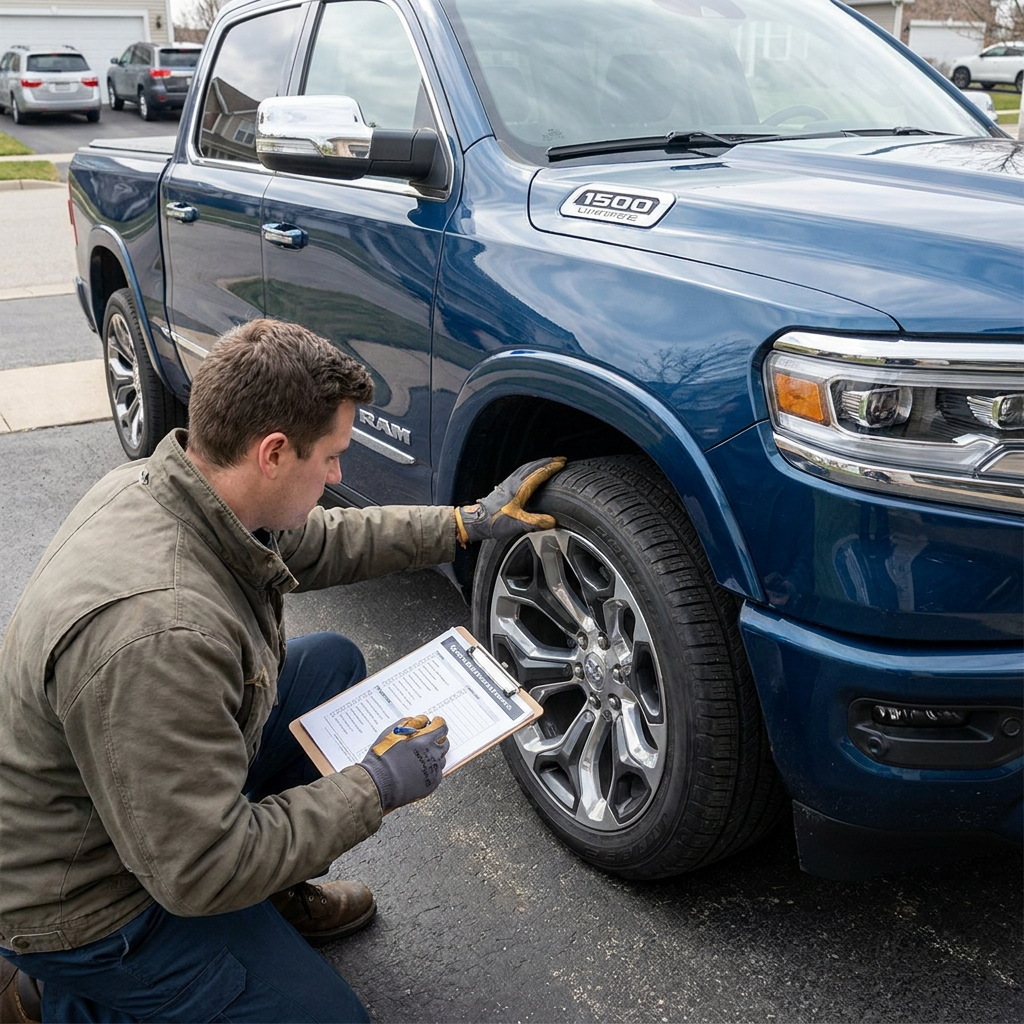
A used Dodge Ram 1500 for sale near me can look perfect in photos and still hide expensive wear. A focused checklist catches the common money pits without turning the visit into a full-day event.
Plan on 45–60 minutes for a serious look, plus a drive long enough to reach highway speed and include tight turns. Short loops miss the symptoms that only show up under load and heat.
Walkaround and underbody:
- Front suspension and steering: check for uneven front tire wear, torn CV boots on 4×4 models, and play in tie rods. Trucks with big tires and lifts need extra scrutiny here.
- Rear suspension: sagging stance can mean tired springs or constant heavy hauling. Air suspension adds comfort, but leaks and compressor cycling are worth listening for.
- Brakes: feel for pulsation under moderate braking. A soft pedal can be fluid condition, but it can also be deferred maintenance.
- Rust patterns: in salt-belt states, inspect brake lines, fuel tank straps, and frame sections near mounts. Surface rust is normal. Flaking scale around key mounts isn’t.
Cab and electronics:
- Battery and charging behavior: slow cranking and flickering screens can point to a weak battery or charging issues. Modern trucks get weird when voltage is low.
- Infotainment and camera: test the backup camera, parking sensors, and steering-wheel controls. Glitches can be minor, but they also become negotiation points.
- HVAC function: confirm heat and cold at idle and while driving. Blend door issues show up as uneven temps side to side.
Drivetrain checks on the drive:
- Cold start behavior: listen for abnormal ticking or rattles that change with rpm. Note how quickly idle stabilizes.
- Transmission shifts: a clean shift pattern matters more than "firm" or "soft." Hunting between gears on gentle grades can signal programming, load, or wear.
- 4WD function: engage 4HI and 4LO on a low-traction surface. Binding on dry pavement isn’t a test. It’s a mistake.
After the drive, check for fresh leaks. Look under the front of the engine, around the transmission pan area, and at both differentials. A small seep isn’t rare on older trucks. Wet drips deserve a price adjustment or a walk-away.
Ownership costs that swing with year, engine, and usage pattern
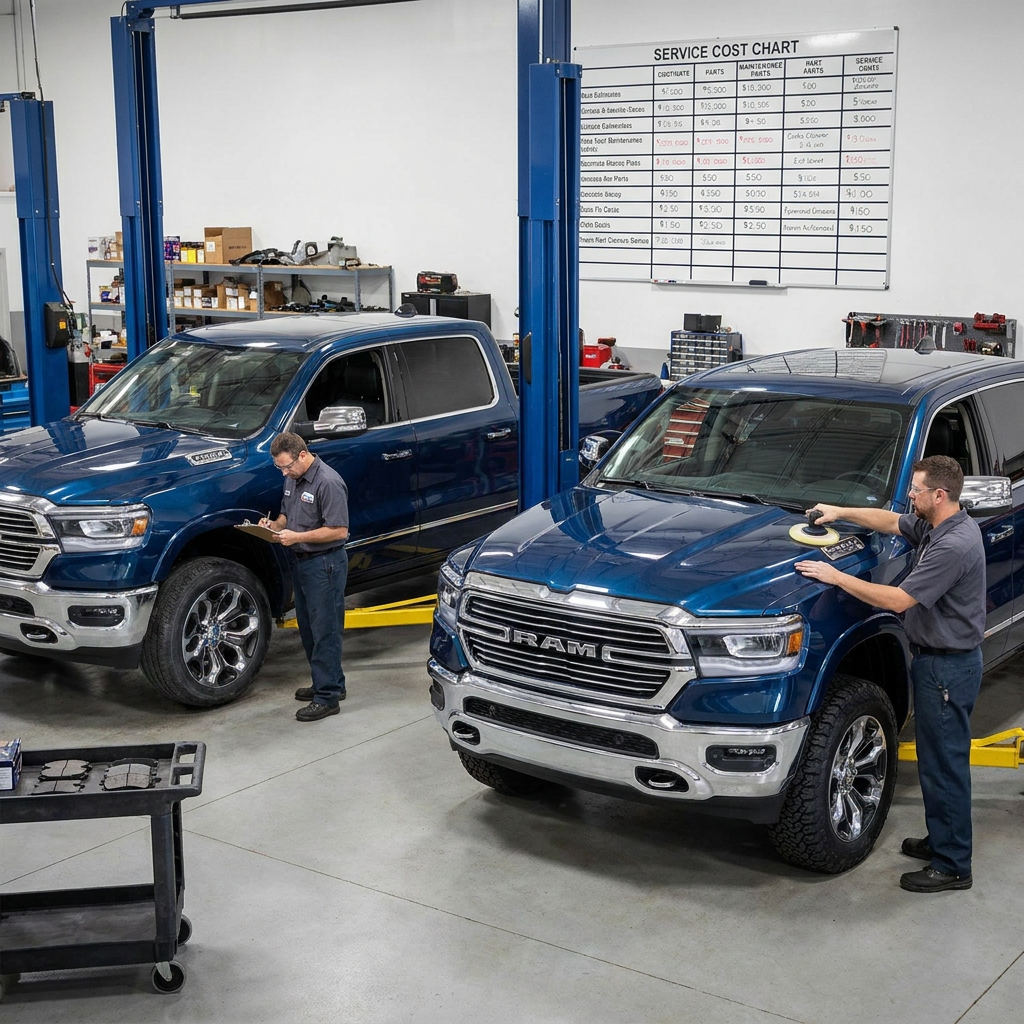
Two used Ram 1500 trucks at the same price can have very different cost curves over the next 12–24 months. The difference usually comes from wear items, tires, and how the previous owner used the truck.
Start with tires. Aggressive all-terrain sets can cost meaningfully more than standard highway tires, and lifted trucks often chew through them faster if alignment is off. A listing with "new tires" is only good news if the brand, size, and load rating fit the truck’s actual work.
Brakes and suspension are the next big swing. A half-ton that towed regularly can need rotors, pads, and rear shocks sooner. A truck that lived on rough roads can need front-end work. These aren’t exotic repairs, but they add up quickly if several hit at once.
Engine choice changes fuel and maintenance rhythm:
- 3.6L Pentastar V6: often cheaper to run when used lightly, but it can feel busy when loaded often. Expect more throttle to do the same job.
- 5.7L HEMI V8: easier towing feel, but higher fuel spend and a higher chance it lived a harder life. Service records matter more here.
- 3.0L EcoDiesel: torque and relaxed cruising can be excellent. Emissions-system complexity can add cost if maintenance was inconsistent.
Budgeting works better when tied to inspection findings. A truck with unknown service history should be assumed to need baseline fluids, filters, and a thorough brake and tire assessment. That’s not pessimism. It’s normal used-truck math.
For buyers focused on "used Ram 1500 for sale" deals, one practical approach keeps surprises down: choose the cleanest, most documented example within the same configuration, then negotiate on objective needs (tires, brakes, fluids, leaks) rather than cosmetic preferences.
Negotiation and seller vetting for a used Ram 1500 for sale
A used Ram 1500 for sale is easy to shop and hard to buy well because sellers know buyers focus on monthly payment and paint. The leverage comes from verifiable, truck-specific costs. Tires with the wrong load rating, front-end play, wet leaks after a drive, missing tow wiring, or a 4WD system that can’t be demonstrated are all objective. Those items change the value more than a bed cover or a wheel package.
Negotiation works best when it’s framed around fixing the truck back to a known baseline. That baseline is simple: fluids and filters with dates, brakes that don’t pulse, tires that match the door label, and a drivetrain that engages cleanly. If the seller can’t document the baseline, the price should. If the seller can document it, the deal moves faster and with fewer surprises.
Seller type changes the risk profile. A franchised dealer can still sell a rough truck, but paperwork and recourse tend to be clearer. An independent lot can be fine, yet it’s more common to see thin histories and "freshened" trucks. Private-party sales can be the best value when the owner has records and a consistent story, but that’s also where liens, title delays, and "selling for a friend" problems show up.
Quick filters that protect time:
- Walk away from a seller who won’t share the VIN early. A serious listing can provide it.
- Prefer listings that can show service records with dates and mileage, even if incomplete.
- On any used Dodge Ram 1500 for sale near me search, treat "just serviced" as a question, not a fact, until receipts exist.
A clean deal feels boring. That’s a good sign.
Where this fits for a used Ram 1500 for sale
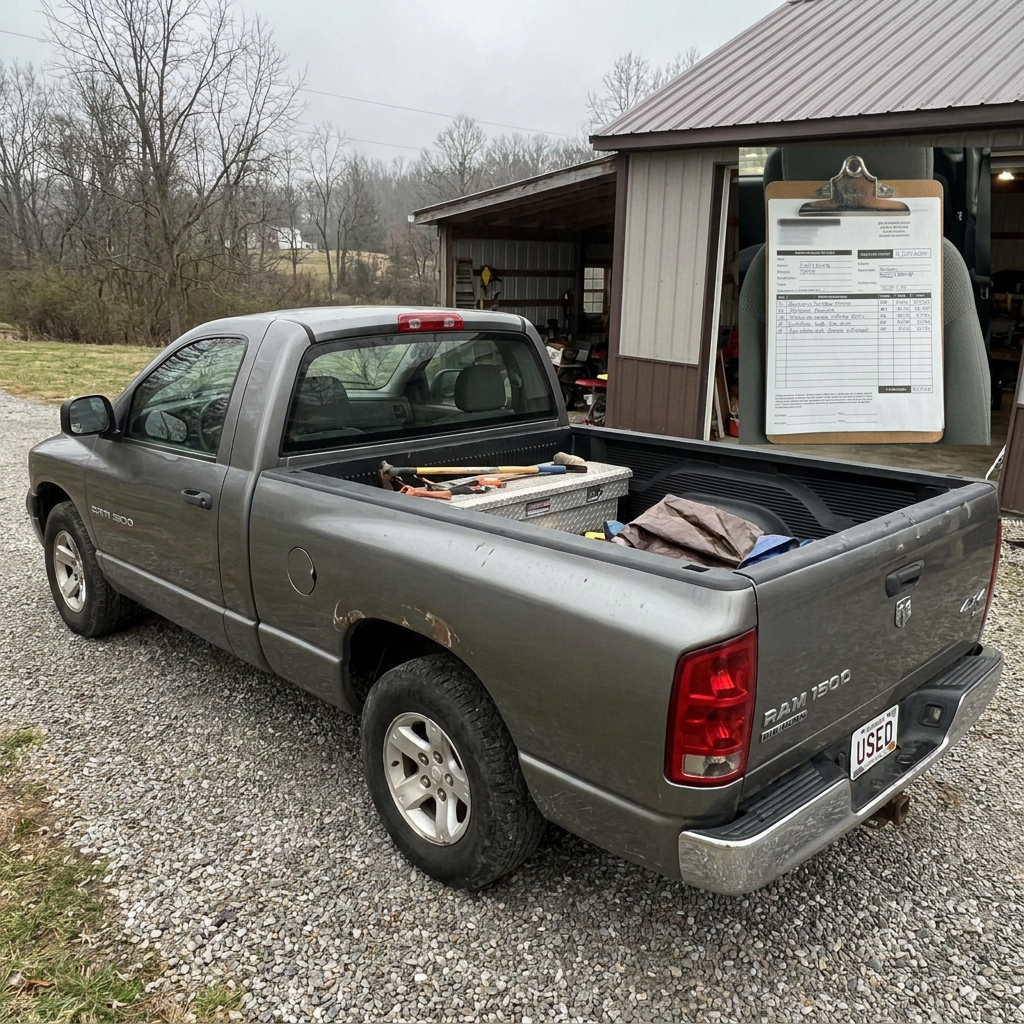
This purchase fits buyers who can name the job first: daily driving with occasional towing, work hauling, or family duty with a real bed. It also fits shoppers willing to pass on flashy trims to get the right cab/bed and drivetrain combo, then pay for documented condition. A used Ram 1500 4×4 with a straightforward option set and good maintenance proof is the easiest version to own in mixed weather and mixed tasks.
It won’t fit buyers chasing the lowest price while expecting a turn-key truck. It also doesn’t fit shoppers who need heavy towing every week but won’t verify payload on the door label, hitch hardware, and brake controller setup. And if emissions-system complexity or longer diagnostic paths are a deal-breaker, a used EcoDiesel example will feel stressful even when it drives well.
Bottom line on buying a used Ram 1500 for sale
A used Ram 1500 for sale is a strong buy when configuration and documentation match the work, and it’s a weak buy when the deal relies on hopes, not proof.
Common questions
Is a used Ram 1500 for sale worth it compared with other half-tons?
It’s worth it when the truck’s shape and options match the job and the condition is supported by records. Cross-shop by payload label, not brochure tow numbers, and compare what it would cost to bring each truck back to a clean baseline.
How much does “for sale near me” change the decision?
Local shopping makes inspection and a longer test drive easier, and that matters more than a small price swing. It also exposes regional issues fast, like salt corrosion in northern states or heavy towing wear in areas with lots of travel trailers.
Should a used Ram 1500 with an accident history be avoided?
No, but it should be priced with tighter expectations. Cosmetic repairs with clean documentation can be fine, while structural repairs, airbag deployment, or unclear paperwork deserve a slower, more skeptical approach.
Is buying a used Dodge Ram 1500 the same thing as buying a Ram 1500?
Listings sometimes use older naming out of habit, but the VIN and door labels are the reliable identifiers. Treat the wording as noise and verify the exact year, engine, and configuration from the truck itself.
What’s the single easiest way to overpay on a used Ram 1500?
Paying trim money for a truck that lacks the equipment needed for the job, especially towing hardware and the right gearing. A higher trim without the right tow setup can be less useful than a simpler truck that’s configured correctly.