
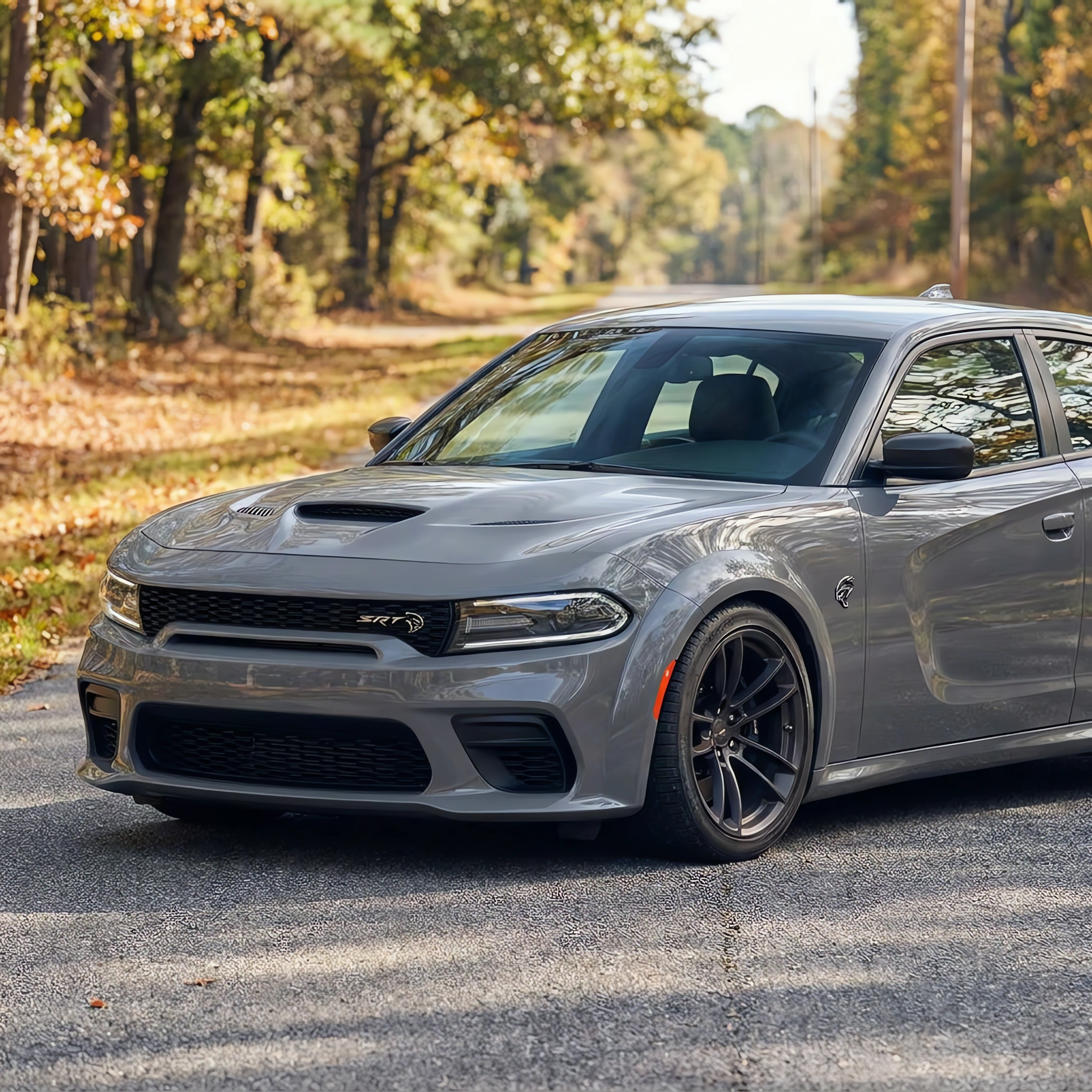
The Dodge Charger Hellcat is a rear-wheel-drive Charger with a supercharged 6. 2L HEMI V8 and an 8-speed automatic, built for extreme straight-line speed.
In simple terms, this means an everyday-looking sedan with supercar-level power and the running costs to match.
Most people searching “dodge charger hellcat” aren’t only asking for a definition. They’re trying to decode badges and listings, understand what changes by year and trim, and learn what numbers actually matter when comparing two cars that both claim “Hellcat.”
Three practical anchors keep the topic clear:
- “Hellcat” refers to the supercharged 6.2L HEMI V8 family, not a single trim name used consistently in listings.
- Power figures split the lineup: 707 hp (standard), 717 hp (some Widebody years), and up to 807 hp for Redeye variants (verify the exact trim and year).
- Most cars are 8-speed automatic and rear-wheel drive, so traction and tire condition are part of the story.
What people mean by “Dodge Charger Hellcat”
Most of the time, the query points to a Charger in the SRT performance tier that uses the supercharged 6.2-liter HEMI V8 nicknamed “Hellcat.” In Dodge language, the badge and trim naming can blur, because sellers often mix “SRT,” “Hellcat,” and “Widebody” in one line item. The car itself is still easy to pin down once the engine and variant are identified.
Start with the non-negotiables. A true Hellcat Charger is rear-wheel drive and paired with an 8-speed automatic (TorqueFlite). The defining hardware is the supercharger sitting on top of the V8. That’s the mechanical separator from a Scat Pack model, which uses a naturally aspirated 6.4L HEMI.
Horsepower is the headline number, but it’s also a shorthand for the rest of the package. Cooling system capacity, tire width, brake sizing, and differential setup tend to track the power tier. That matters later when comparing two used cars that look identical in photos.
Confusion shows up in one predictable place. “SRT” can mean a general performance sub-brand in casual speech, but the Charger’s actual trims and packages changed across the model run. A listing can say “SRT Hellcat” and still omit whether it’s a Widebody or a Redeye. The buyer has to verify.
Hellcat vs Hellcat Widebody vs Redeye: the trim-name cheat sheet
Trim names on a Dodge Charger Hellcat aren’t just marketing. They usually signal real changes in tire width, suspension tuning, and sometimes power output. The fastest way to stay oriented is to treat the name as a question: “Which power tier is it, and what body and chassis package is on it?”
At a high level, three buckets cover most searches:
- Charger SRT Hellcat: the baseline Hellcat variant, commonly associated with 707 hp.
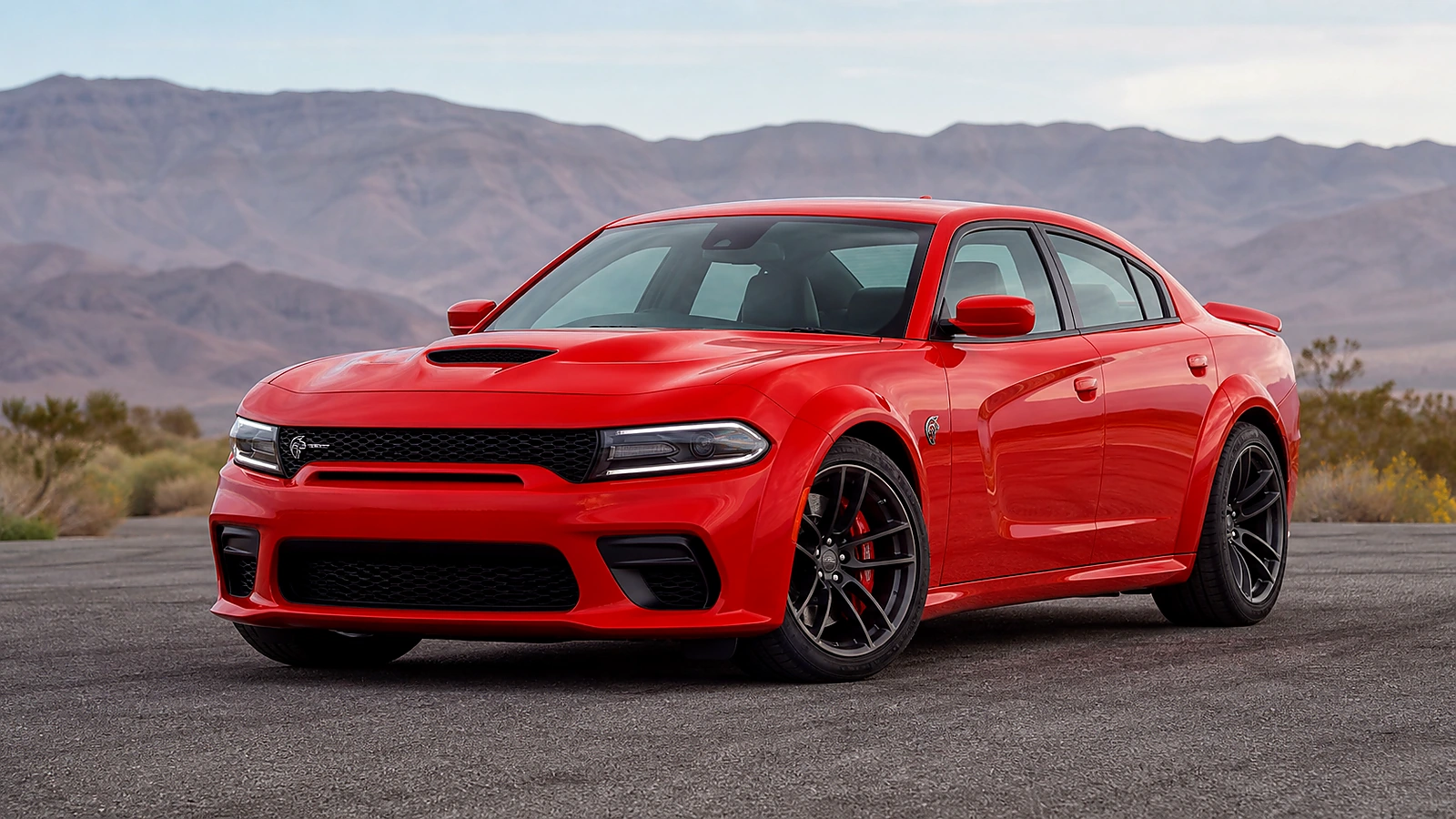
- Charger SRT Hellcat Widebody: wider fenders and a factory setup that supports a wider tire package; some years are quoted at 717 hp.
- Charger SRT Hellcat Redeye: higher-output version that’s commonly listed around the 797–807 hp range depending on the exact variant and year. Confirm the build details.
Widebody is the one that gets misread most. It’s easy to think it’s only cosmetic. In practice, the wider track and tire fitment change how the car puts power down, how it behaves in a fast corner, and what replacement tire sizes cost.
Redeye is the other common trap. Some listings call anything loud and supercharged a “Redeye.” The name should match the build details and badging, and the power figure should line up with the Redeye tier rather than the 707 hp baseline.
Two quick checks help when the listing text is messy:
- Look for explicit “Widebody” wording and matching fender flares in photos, not just “widebody style.”
- Look for “Redeye” called out as a variant, not as a decal or add-on description.
Specs that actually define a Hellcat Charger (and why they matter)
Reading a spec sheet for a Hellcat Charger can feel like noise, because many numbers don’t change the ownership experience. A few do. Engine, drivetrain layout, and output tier dictate traction limits, tire and brake wear, and the way the car responds to heat during repeated hard pulls.
The engine is the anchor: a supercharged 6.2L HEMI V8. It’s paired to an 8-speed automatic transmission and drives the rear wheels. That layout explains two everyday realities. Full throttle at low speed can overwhelm the rear tires, and cold or wet pavement demands restraint.
Output is the second anchor, because it sorts the variants cleanly:
- 707 horsepower is the common figure tied to the standard Charger SRT Hellcat.
- 717 horsepower appears for certain Charger SRT Hellcat Widebody years.
- Redeye variants are commonly quoted higher than the standard Hellcat. Listings often cite 797 hp for some Widebody configurations and 807 hp for some Redeye trims. Verify the exact trim and year.
Those numbers aren’t trivia. They point to different factory calibrations and supporting hardware. They also change the baseline expectation for straight-line performance, and they influence how the car was likely used by prior owners.
Rear-wheel drive is the third anchor. It’s part of the Charger’s identity, but it’s also a decision factor. Drivers coming from all-wheel-drive performance cars often underestimate how much tire compound and temperature matter here. A Hellcat on cold all-season tires is a different machine than one on warm max-performance summer tires.
One more detail is worth treating as a spec even though it’s not a single number: heat management. Supercharged engines build heat quickly under repeated acceleration. A car that feels strong on one pull can feel softer after several. That’s normal behavior, but it becomes a diagnostic clue on a test drive when the car feels inconsistent or the cooling system seems stressed.
Year-to-year differences and why listings get sloppy
Used listings compress information. “SRT,” “Hellcat,” and “Widebody” get stacked into one phrase because it attracts searches. That doesn’t mean the seller is lying, but it does mean the buyer has to separate trim identity from casual labeling.
Model-year differences can matter in three practical ways: equipment levels, availability of certain variants, and how easy it is to find an unmodified example. Later years in the run often show more Widebody inventory, and many cars have had wheels, tires, or engine-related modifications. That changes risk, not just style.
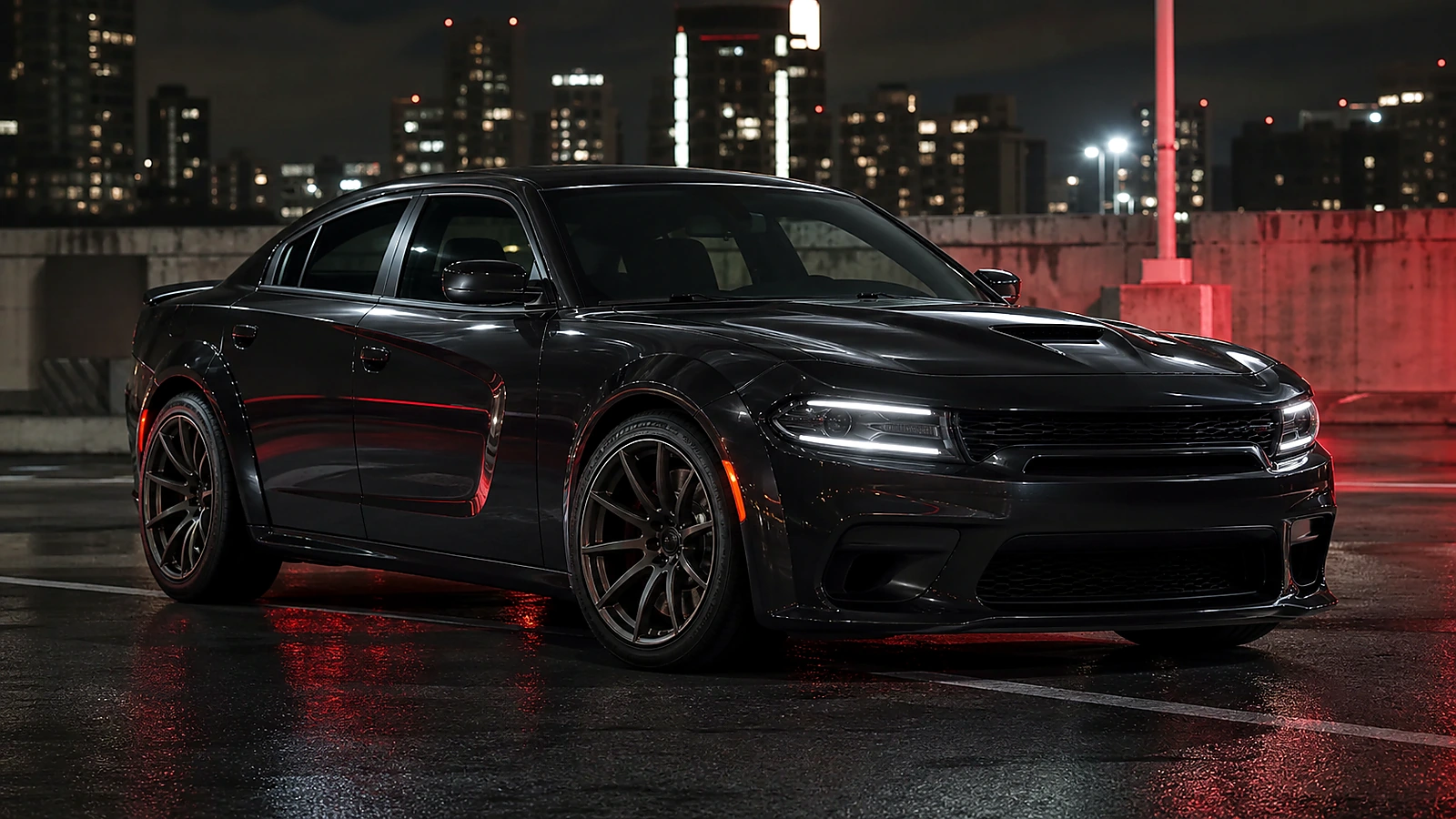
Color and appearance packages also create confusion. A search like “dodge charger hellcat blac” or “dodge charger hellcat black for sle” often reflects someone trying to match a black car they saw in a listing. Paint color is not a trim. Yet “black” gets mixed into titles alongside “SRT Hellcat,” and the listing starts to look like a special edition even when it’s simply a black example with dark wheels and tinted glass.
So what’s safe to assume from a short listing headline?
- “Hellcat” should imply the supercharged 6.2L. Verify it with documentation and under-hood photos.
- “Widebody” should be visible in bodywork photos. If it isn’t, treat it as unconfirmed.
- “Redeye” should align with the higher-output tier. If the seller can’t state the variant clearly, confirm through the VIN build information.
VIN-based verification is the cleanest way to cut through marketing language. Build sheets and dealer records, when available, tend to be more reliable than an aggregated listing title. That becomes even more valuable when the car has aftermarket parts that distract from what it started as.
The foundation is simple. Identify the variant by engine and trim, then read everything else through that lens.
How to interpret a real Dodge Charger Hellcat listing
In a Dodge Charger Hellcat listing, the priority isn’t “the best photo” or the title. It’s the trail of verifiable information. A serious listing leaves clues in three places: the vehicle identification number (VIN), engine-bay photos, and a clear options/equipment breakdown. When one of those pillars is missing, assume the text was written for search traffic, not precision.
Photos often reveal more than the description. A few well-chosen shots can confirm whether the car matches what the ad claims. They can also expose common inconsistencies, like a “Widebody” without the matching fender flares, or a “Redeye” described without any reference to its configuration.
Read the listing like an incomplete report. First identify the base car. Then judge the likely use context. A Hellcat with heavily worn rear tires and fresh brakes tells a different story than one with new tires but rotors that show a pronounced wear lip.
One pattern repeats across aggregators and dealers. The title mixes “SRT,” “Hellcat,” and “Widebody” because it captures searches. That doesn’t make the car fake, but it makes cross-checking mandatory with simple proof: VIN, photos, and service documents.
- VIN: useful for confirming factory equipment when the listing is vague.
- Engine-bay photos: help spot visible changes to intake, pulleys, or accessory components.
- Maintenance history: it doesn’t need to be perfect, but it should match the mileage and the type of car.
The goal is simple. The listing should “add up” from every angle. When it doesn’t, the risk isn’t always mechanical. Sometimes it’s resale, because a poorly described car is often poorly documented.
Typical Hellcat Charger modifications and how they change risk
The Hellcat Charger is one of those cars many owners modify early. And not all mods carry the same weight. A cosmetic change rarely affects reliability, but a supercharger-related modification can change operating temperatures, load on the transmission, and the engine’s safety margin.
The sensitive part isn’t that it’s modified. It’s that the listing doesn’t say so, or only half-says it. On a 707 to Redeye-tier car, a poorly explained “upgrade” can be a harmless preference or a sign of hard use. Without documentation, it turns into uncertainty.
Some clues are common in photos and descriptions. You don’t need tools to suspect them, just attention. And it’s worth thinking one step ahead: a mechanically modified car usually needs a deeper inspection and a more conservative budget for surprises.
- ECU tune without an invoice or shop details: complicates traceability and resale.
- Supercharger pulley or belt changes: can raise boost and heat, and they demand more cooling headroom.
- Aftermarket intake, filter, or airbox: sometimes harmless, sometimes used as a distraction from more serious changes.
- Very open exhaust: not a problem by itself, but it can mask mechanical noises during a test drive.
A cautious approach works better than a rigid rule. If you want a frequent-use car, a near-stock example usually means less work. If you want a weekend car and value a build, documentation quality and install choices matter more than the mod list.
Running costs: fuel, tires, brakes, and insurance on a Dodge Charger Hellcat

The real cost of a Hellcat Charger isn’t just the purchase price. It’s consumables. A car at this power level turns tires and brakes into recurring maintenance, not occasional spend. Fuel joins that category the moment you drive it hard.
Expect fuel economy to vary wildly with driving style and environment. City use climbs fast, and steady highway cruising brings it down, but it still won’t behave like a normal sedan. If you’re comparing two used cars, budget for the “catch-up” service too. Fluids, tires, and brakes often need attention early just to establish a known baseline.
Tires and brakes depend on use and setup. A Widebody typically runs a wider tire package, and that raises replacement cost. Under hard driving, rear tires can disappear quickly if you lean on low-speed torque. It doesn’t take drag-strip launches to do it. Frequent spirited starts on cool pavement are enough.
Insurance can change the whole picture. In the US, costs are often high due to power, claim history, and theft risk in some markets. There’s no universal number, but there is a practical rule: get a quote using the VIN and your desired coverage before you commit. Sometimes insurance matters more than color.
- Daily use with short trips: hurts fuel economy and can accelerate wear if you do hard pulls on a cold drivetrain.
- Weekend use: lowers annual fuel spend, but tires and brakes still need to be right.
- Cold climate or frequent rain: pushes you toward more appropriate tires and reduces traction margin.
Inspection and test-drive checklist (30–45 minutes)

Inspecting a Hellcat Charger doesn’t need to become a never-ending ritual, but it should be structured. A 30 to 45 minute check, plus a sensible test drive, often separates a cared-for car from one that’s “pretty in photos.” Look for consistency. Sound, temperature behavior, response, and wear should match the mileage and the seller’s story.
The most useful moments come twice. First, when it’s cold. Second, once it’s fully warm. A supercharged engine can feel perfect at the start and show fatigue after several accelerations, especially if the cooling system is stressed or the calibration isn’t stock.
You’re not chasing records on the drive. You’re watching behavior. Excessive wheelspin, brake vibration, or harsh transmission events can show up under normal driving.
- Cold start: steady idle, no persistent smoke, no odd rattles.
- Temperature: rises normally and stays stable in traffic and at speed.
- Transmission: smooth shifts when driving gently; under load, no banging or slipping.
- Braking: no steering-wheel shake, no strong pedal pulsation.
- Steering and suspension: no sharp knocks over bumps, no floaty feel at speed.
- Tires: even wear; if it’s uneven, ask about alignment and hard-acceleration use.
If the listing is framed as “dodge charger hellcat blac” or “dodge charger hellcat black for sle,” treat it as what it usually is: an aesthetic filter, not a condition guarantee. Paint doesn’t make up for old tires, tired brakes, or a fuzzy history.
One simple end-of-drive check helps. Let it idle for a few minutes after the drive and look for strong fluid smells, fans behaving oddly, or small visible leaks. On a Charger at this level, those details often predict the kind of ownership it’s had.
As a small everyday accessory, Dodge Black SRT Logo Tire Stem Valve Caps can help keep valve stems tidy and reduce the odds of missing caps. It’s about order, not performance.
Daily driving and real life: what changes the experience
A Dodge Charger Hellcat makes more sense through daily limits than through headline numbers. Power is always there. That forces an extra layer of restraint in town, on roundabouts, and leaving toll booths. It’s not about “knowing how to drive fast.” It’s about knowing when not to.
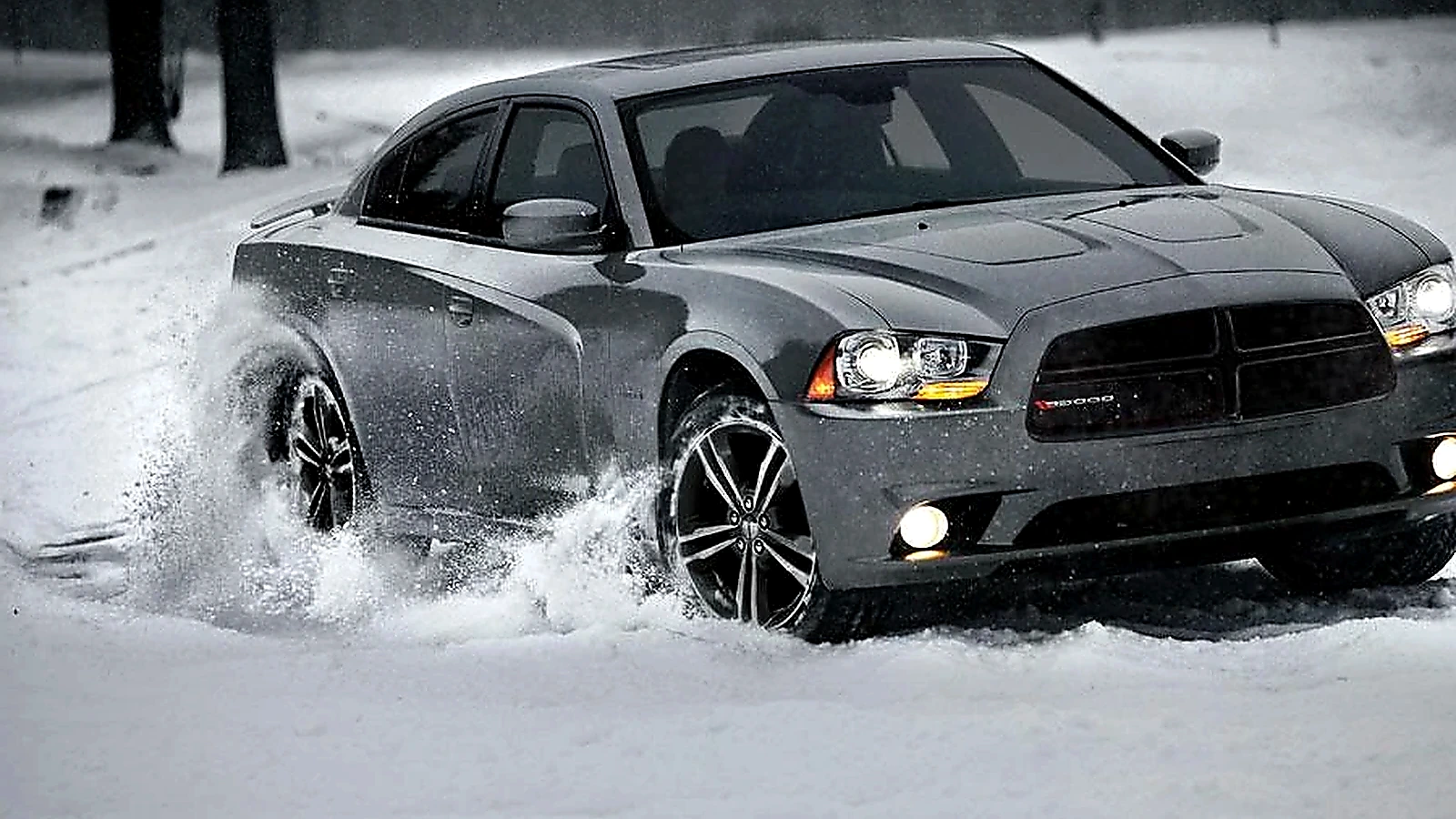
Weather runs the show. A Hellcat Charger on summer tires can feel predictable on warm pavement and get twitchy in cold or rain. In places with real winters, the sensible move is planning a second tire set or accepting months of limited use. And if the car lives outside, the first mile matters. Cold drivetrain plus a heavy right foot gets expensive.
Comfort usually isn’t the typical complaint. Attention is. At low speed, throttle response can feel abrupt if you drive in little bursts. On a steady highway cruise, the car can feel surprisingly easy, as long as you accept the fuel use and the road noise that comes with wide tires. On long trips, the part you notice most isn’t acceleration. It’s the mental cost of living with a car that’s always ready to overwhelm traction.
When a used Hellcat makes sense, and when to look elsewhere
A Charger SRT Hellcat fits when you want an extreme-character sedan and you accept maintenance as part of the real ownership cost. It also fits when you value the experience of a supercharged V8 more than delicate corner balance. For that buyer, choosing between Hellcat, Widebody, or Redeye isn’t just ego. It’s tire budget, traction margin, and tolerance for a more aggressive power delivery.
One editorial point stays consistent. Most buyers who plan to use the car often should prioritize the most verifiable example they can find, with coherent history and no signs of opaque “prep.” The power is already more than enough. Clear documentation is what’s scarce.
Looking elsewhere is smarter in three scenarios. First, you need easy year-round traction and don’t want to plan tires by season. Second, the car will be the only family vehicle and there’s no room for a brake or tire replacement arriving “early.” Third, your real interest is balance on back roads or track use, where alternatives like the Chevrolet Camaro ZL1 or Ford Mustang Shelby GT500 can fit better by focus, even if the use case and entry cost change.
It’s also worth distrusting an overly aesthetic goal. Searches like “dodge charger hellcat blac” often start from a photo, not mechanical condition. Black paint isn’t a trim. And black cars can hide bodywork issues more easily, especially if there’s fresh cosmetic correction or repainting.
Who it fits, and who it doesn’t
It fits drivers who want serious performance for the street and occasional hard use, with budget for consumables and patience for traction management. It also fits people who enjoy verifying documentation and accept that a Charger at this level is bought with a cool head and a methodical inspection.
It doesn’t fit anyone who wants an “easy” performance car in rain or cold, or who needs stable month-to-month costs. It also doesn’t fit drivers who get stressed by noises, vibrations, or small imperfections, because on a very powerful car, wear shows up sooner and costs more to correct.
Common questions about the Dodge Charger Hellcat
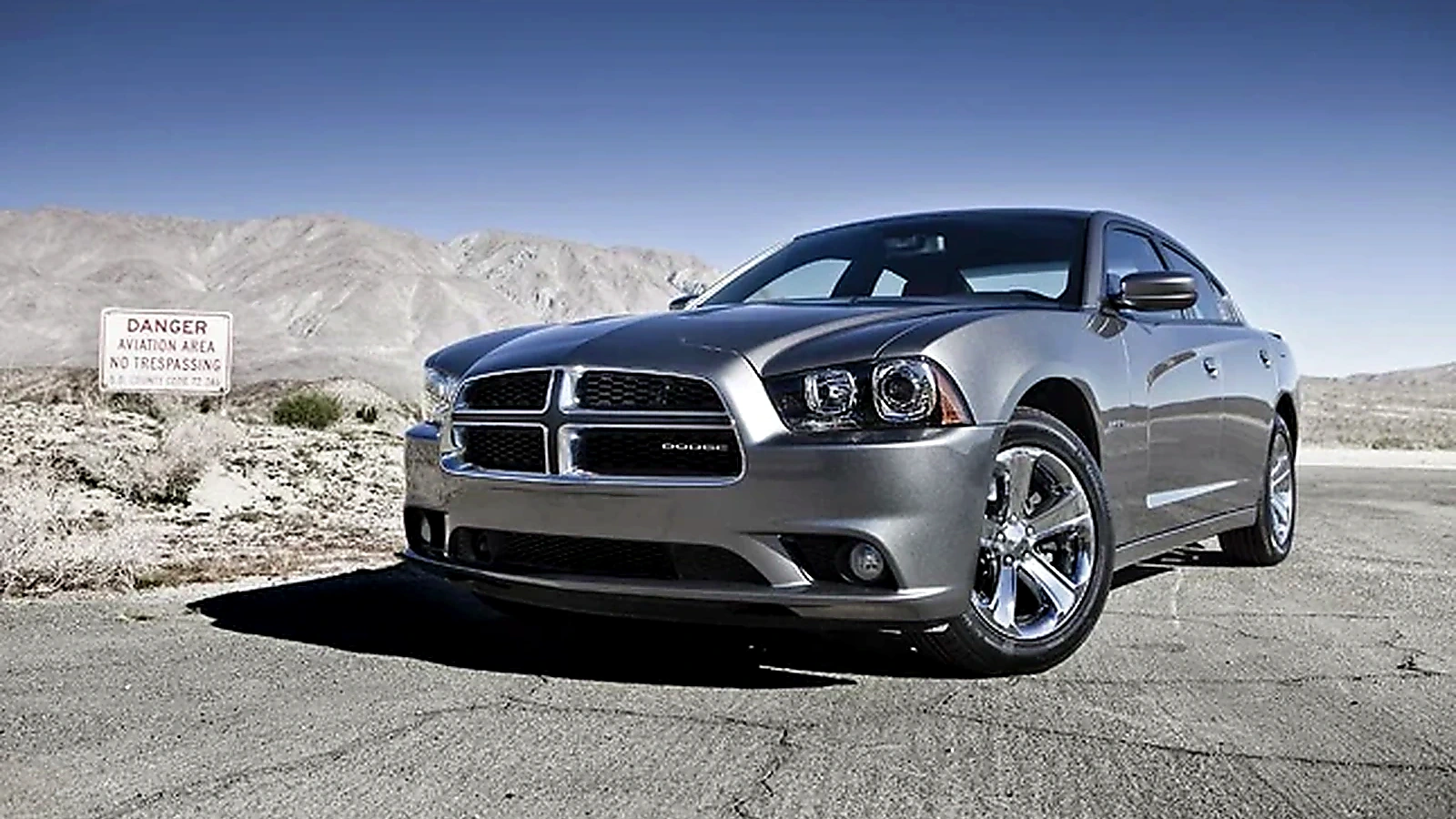
Why do so many listings mix “SRT,” “Hellcat,” and “Widebody” in the same title?
Because those words attract searches and don’t force precision. Separate marketing from the real build using the VIN, photos, and verifiable equipment.
Is a modified Dodge Charger Hellcat automatically a bad idea?
No. But it demands more proof and better documentation. Without invoices, shop details, and consistency between what you see and what’s claimed, risk rises for reliability and resale.
What matters more on a used one: mileage or how it was used?
Use pattern often matters more. Moderate mileage with abuse signs (rear tires chewed up, tired brakes, blurry history) can cost more than higher miles with clear maintenance.
Is “Dodge Charger Hellcat Black For Sle” a special version or just a search phrase?
It’s usually a way to search for a black car for sale, not an edition. Treat it as an aesthetic filter, then return to variant, condition, history, and listing consistency.
When to choose it, and when to skip it
For buyers who want brutal acceleration in a sedan and can treat tires and brakes as recurring maintenance, a Dodge Charger Hellcat makes sense when the car’s history and configuration can be fully verified.
For drivers who need easy year-round traction, can’t absorb expensive consumables unexpectedly, or want a more balanced corner-carver, skipping it is the smarter call.
NHTSA VIN lookup can help you confirm basic vehicle details before you rely on a listing headline.
Recommended next reads
Use these related DodgeGo guides to move from model context to ownership checks, fitment details, and relevant parts research.
- Model context: DODGE CHARGER VS CHALLENGER COMPARISON: ULTIMATE MODERN MUSCLE CAR FACE OFF! — platform, body-style, and ownership differences.
- Parts and fitment: Best tuner for Dodge Charger: engine compatibility, power gains, and warranty risks — engine compatibility, warranty risks, and current Amazon-linked tuners.
- Related ownership guide: 2015 The new most powerful sedan Dodge Charger SRT Hellcat — additional performance context, model details, and practical ownership takeaways.
- Related ownership guide: Dodge Challenger Hellcat and Charger Hellcat models received 1500 hp engine — additional performance context, model details, and practical ownership takeaways.