
Last updated: July 2026. This guide treats Charger tuning as a fitment and risk decision, not a guaranteed horsepower shortcut. The DodgeGo product review found only one usable tuner option for this URL. Products are grouped by exact fitment, active Amazon product pages, visible customer-feedback signals, and the most common owner complaints for this part category.
Short answer: if your Dodge Charger has a supported HEMI application and you understand the PCM, emissions, octane, and warranty risks, the current Amazon-linked option is the DiabloSport 8300 inTune i3. If you drive a newer locked-PCM Charger, a daily-driver V6, or a car that must remain warranty-clean and emissions-compliant, do more compatibility work before buying any tuner.
Quick picks
| Driver type | Recommendation | Why | Check first |
|---|---|---|---|
| Supported HEMI owner who wants a handheld tuner | DiabloSport 8300 inTune i3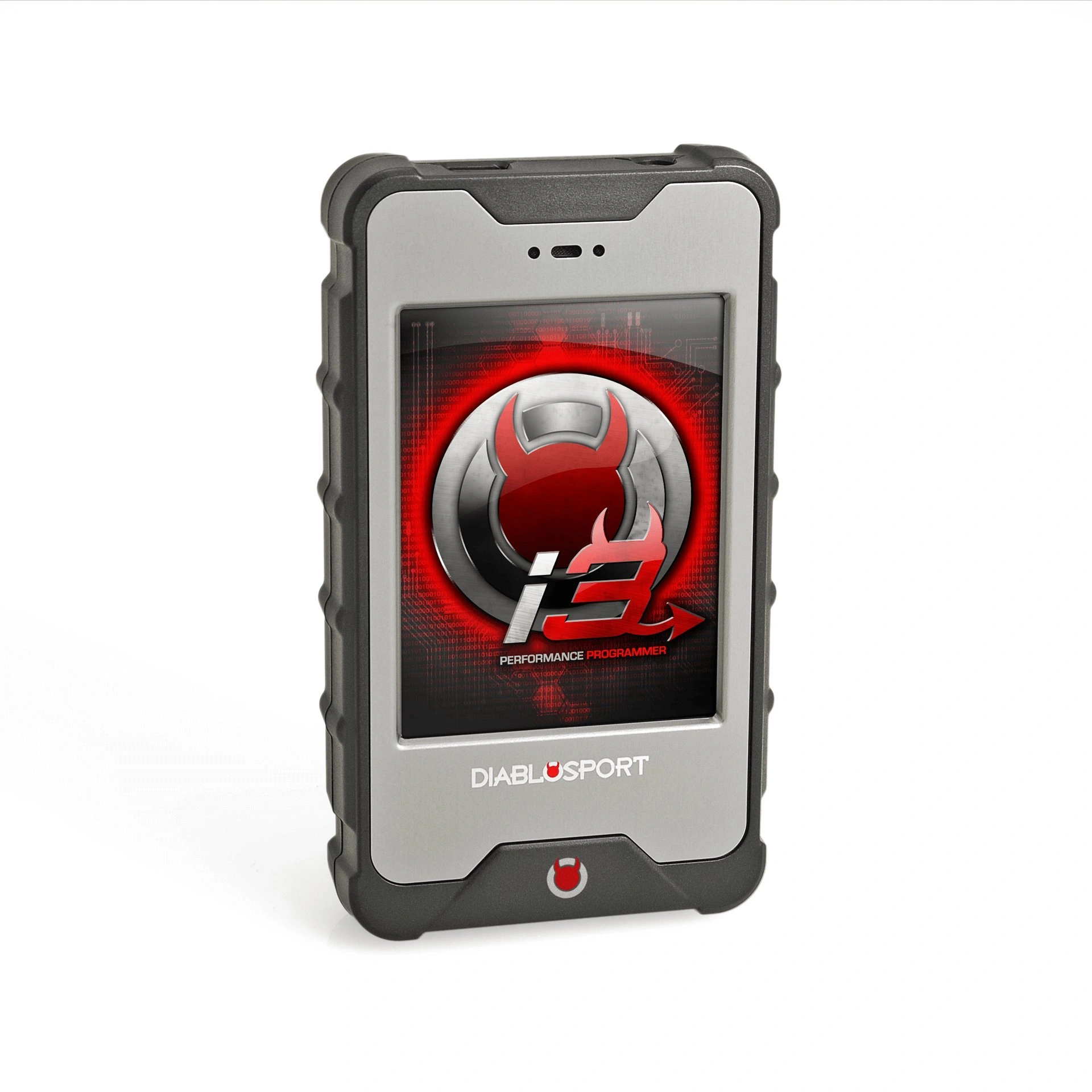
|
Only locally usable Amazon tuner option for this page | Exact year, engine, PCM lock status, tune support, fuel octane, and emissions legality |
| Newer locked-PCM Charger owner | Do not buy until PCM unlock path is confirmed | A tuner cannot help if the ECU or PCM cannot be written safely and legally | Model year, calibration, unlock service, warranty exposure |
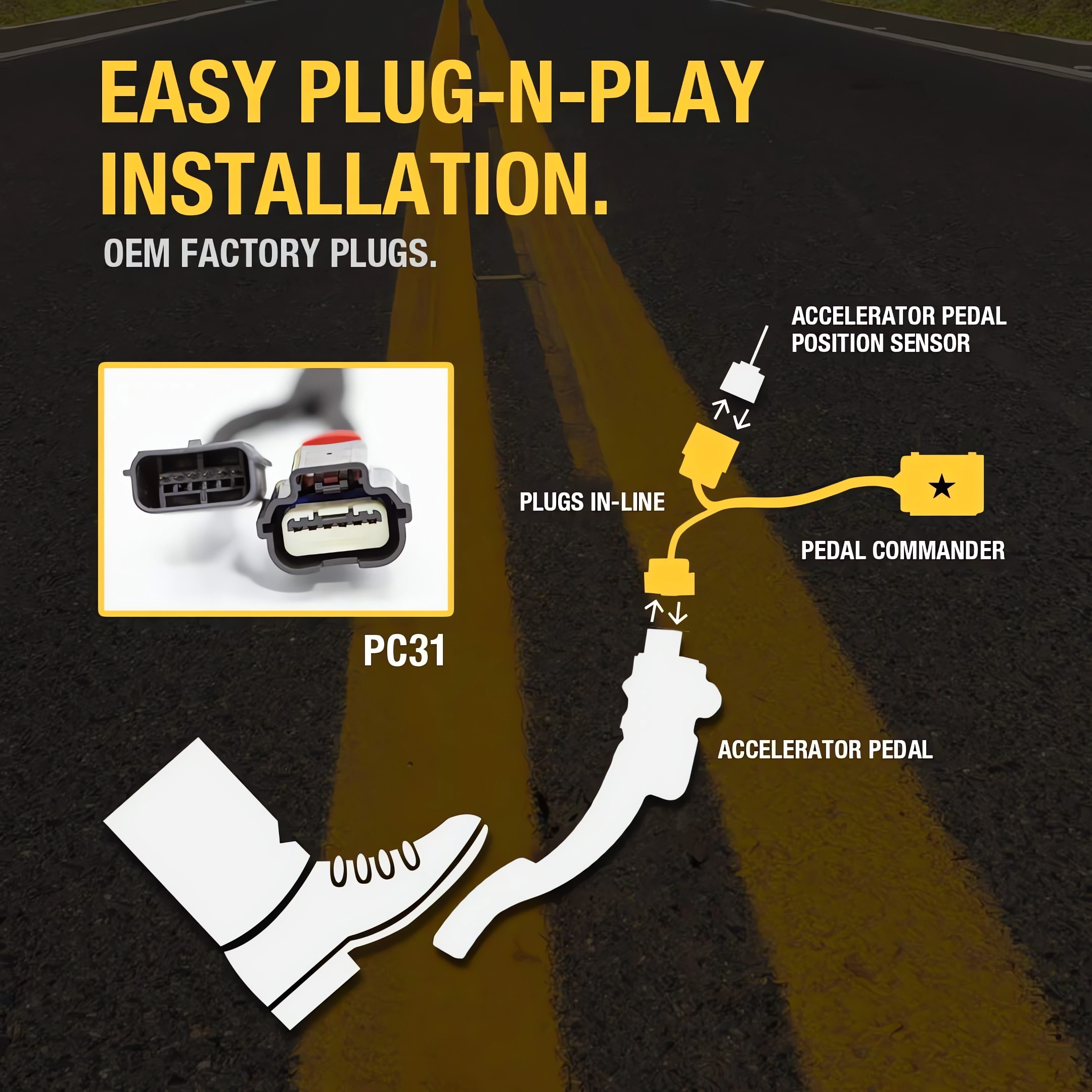
| Driver who only wants sharper pedal response | PEDAL COMMANDER throttle controller lane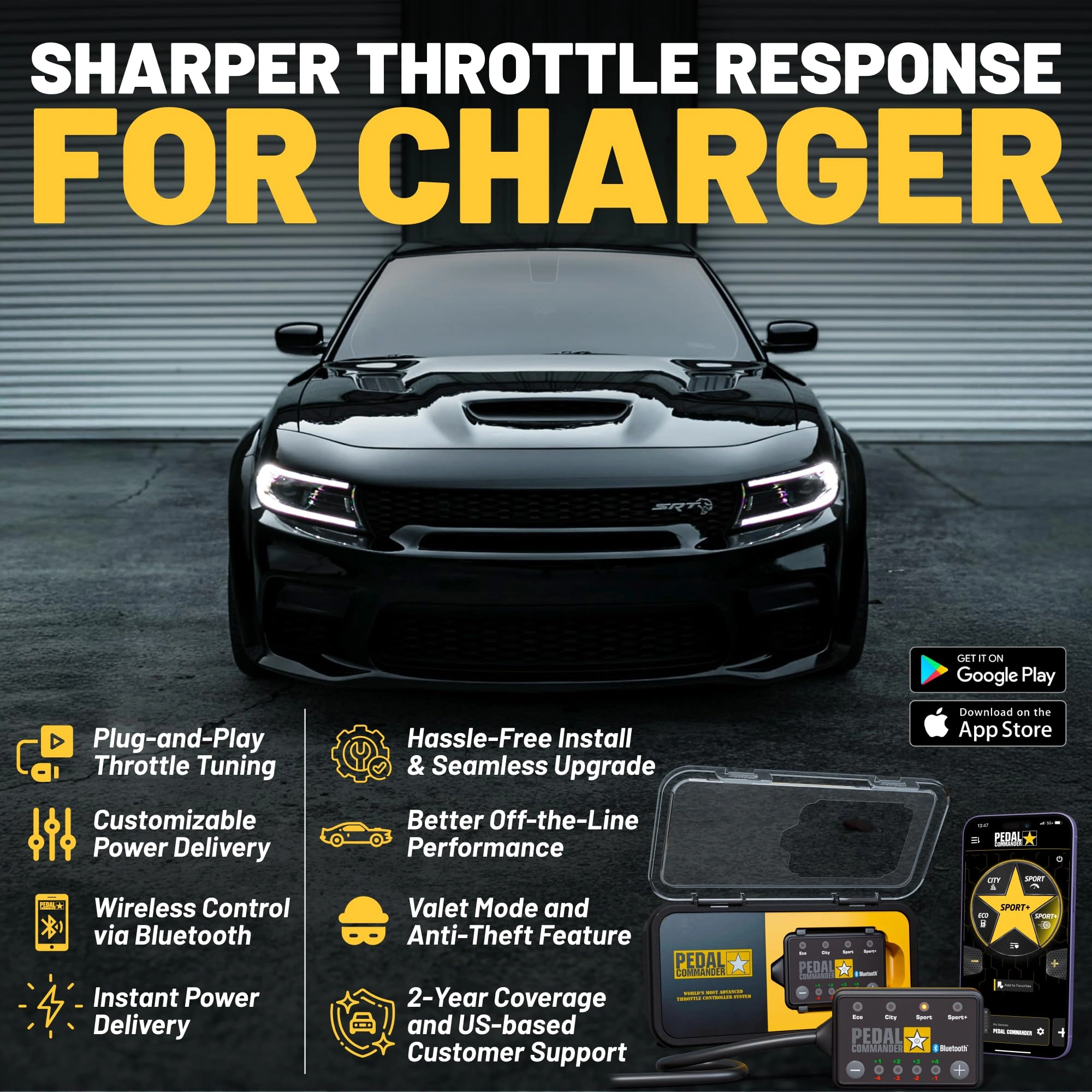
Pedal feel only; not a flash tune. needs a fresh live Amazon product |
Throttle controllers are not engine tuners and should not be ranked as power adders | Exact Charger fitment and whether the product is live |
| Warranty-sensitive daily driver | Stay stock or use an OBD2 monitor only after live product verification | Monitoring avoids flashing the PCM, but it does not add power | Data needs, emissions readiness, and dealer/warranty expectations |
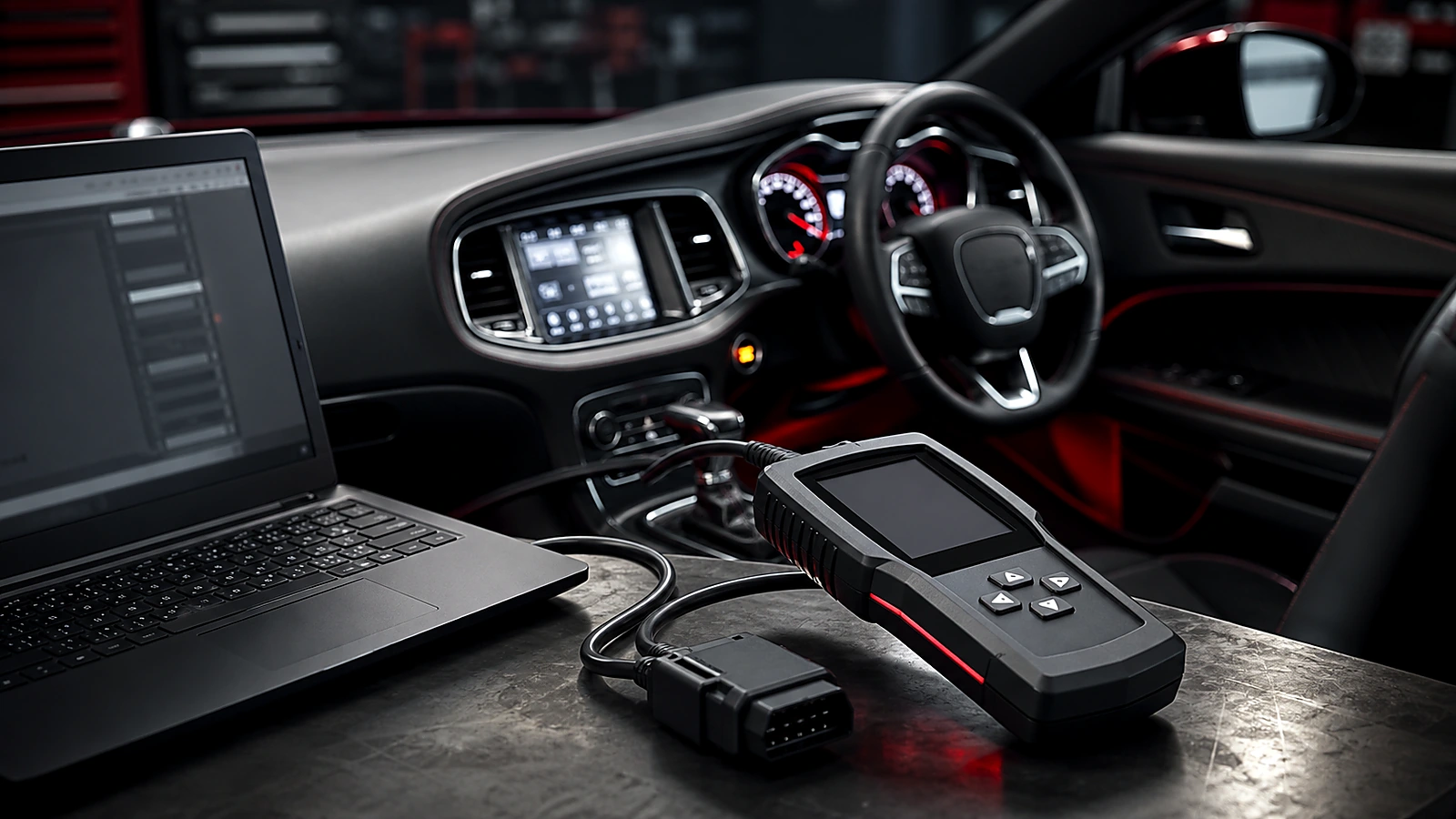
Fitment-first checklist
- Confirm the exact model year: Charger support changes sharply by generation and PCM status.
- Confirm the engine: 3.6 V6, 5.7 HEMI, 6.4 Scat Pack, and 6.2 Hellcat applications are not interchangeable.
- Confirm transmission support and whether transmission tuning is included or separate.
- Check whether the PCM is locked and whether an unlock is required before tuning.
- Read emissions and street-use language before buying. Do not assume a tuner is legal for public-road use.
- Plan fuel octane before installing a performance tune.
- Save the stock file and know how to return the car to stock before service.
Device comparison
Product section
DiabloSport 8300 inTune i3
Check current price on Amazon
The DiabloSport 8300 inTune i3 is the only Amazon-linked option found for the Charger tuner page. That does not make it automatically right for every Charger. It should be considered only after checking the exact model year, engine, calibration support, PCM lock status, fuel octane requirement, and emissions language.
Why consider it: a real handheld tuner is more relevant than old “performance chip” claims because it can load supported calibrations, read data, and usually restore the stock file when the workflow is followed correctly.
What owners usually like: simpler handheld workflow, the ability to adjust supported parameters, and the convenience of having a device rather than relying only on a shop appointment.
Common complaints and tradeoffs: PCM unlock confusion, unexpected compatibility limits, check-engine lights when the wrong tune or fuel is used, warranty concerns, and disappointment when headline gains do not match the specific car.
What to check before buying: live manufacturer fitment, whether your PCM must be unlocked, whether the tune is legal for your use, whether premium fuel is required, and whether the device can be updated before installation.
Buyer guide
Handheld tuner vs custom tune vs throttle controller
A handheld tuner changes calibration only when the vehicle is supported and the PCM can be written. A custom tune is usually more specific but requires a qualified tuner and good logs. A throttle controller changes pedal response; it does not rewrite engine timing, fueling, or transmission strategy and should not be described as a horsepower tuner.
Charger engine compatibility
The 5.7 HEMI, 6.4 Scat Pack, 6.2 supercharged engines, and 3.6 V6 should be treated separately. Product listings often mention broad Dodge compatibility, but the actual support can depend on year, trim, PCM, transmission, and calibration ID.
PCM unlock requirement
Many newer FCA/Stellantis vehicles use locked PCMs. If your Charger needs an unlocked PCM or swap service, buying a handheld device alone may not be enough. Confirm the unlock path before purchasing the tuner.
Realistic gains
Do not buy based on universal horsepower promises. Gains depend on engine, octane, existing modifications, weather, dyno method, and whether the car already has an optimized factory calibration. A tune can improve drivability on the right setup, but it can also create problems when fitment or fuel is wrong.
Warranty and emissions risk
Any flash tuning can create warranty and compliance risk. Keep this plain: if the car is under warranty, used for emissions-controlled street driving, or must pass inspection, verify the legal language and understand the risk before tuning.
Installation and maintenance notes
- Connect a battery maintainer before flashing so voltage does not drop mid-write.
- Update the device before the first tune install.
- Save the stock file and do not lose the device if it is married to the car.
- Use the required octane for the selected tune.
- Scan for codes and verify readiness monitors after returning to stock.
Owner feedback synthesis
Charger owners usually care about throttle response, shift feel, data logging, and whether the device actually supports their car. The most common negative themes are locked PCM surprises, customer-support friction, tune files that do not match the car, and warranty anxiety. Owners who only want a sharper pedal often report that a throttle controller feels more dramatic than it really is because it changes pedal mapping rather than engine output.
Decision flow before buying a Charger tuner
Start with the car, not the device. Write down the model year, trim, engine, transmission, current modifications, fuel you actually use, and whether the Charger is still under warranty. Then check whether the tuner supports that exact combination. Broad compatibility text is not enough because two Chargers with the same badge can have different calibration requirements, PCM restrictions, or transmission behavior. If the fitment page cannot answer your exact year and engine, treat the purchase as unverified.
Next, decide what problem you are trying to solve. If the car feels lazy because the pedal map is soft, a flash tuner may be overkill and a throttle controller may be the separate lane to research after live product verification. If the car has intake, exhaust, cam, boost, or fuel changes, a canned tune may be too generic and a custom tuner may be the safer path. If the goal is data only, an OBD2 monitor or logging setup may give more value with less risk than rewriting the PCM.
Finally, decide how much risk is acceptable. A Charger that is a weekend project can tolerate more downtime than a commuter that must pass inspection and start every morning. Tuning is not just the moment the file is installed; it includes updates, battery voltage, device pairing, stock-file storage, support response time, fuel quality, and the plan for returning to stock. If any of those steps feel unclear, pause before buying hardware.
Engine-specific considerations
3.6 V6 Charger
V6 owners should be especially careful with performance claims. A handheld tuner may improve throttle feel or optimize certain supported settings, but the naturally aspirated V6 has less easy power on the table than a modified HEMI. If the car is a daily driver, maintenance, tires, brakes, and transmission health may deliver a more noticeable ownership improvement than chasing a small tune gain. Any listing that makes broad horsepower promises without exact V6 support should be treated cautiously.
5.7 HEMI Charger
The 5.7 HEMI is the most common reason many owners start researching handheld tuners. It can respond to the right calibration, especially when the tune, octane, and supporting modifications match. Still, not every 5.7 Charger has the same path. Model year, PCM lock status, MDS behavior, transmission support, intake or exhaust changes, and emissions requirements all matter. The best purchase is the one that confirms support before the box arrives, not the one that simply mentions HEMI in the title.
6.4 Scat Pack and 6.2 supercharged cars
Higher-output Chargers raise the stakes. A Scat Pack or Hellcat-family car can be expensive to repair if the wrong tune, wrong octane, or bad flash process creates trouble. Owners of these trims should verify whether the device is appropriate for the exact calibration and whether a professional tuner is a better fit. For a supercharged car, fuel quality, intake air temperature, spark knock, and logging discipline matter more than a simple plug-and-play power promise.
What a tuner can and cannot fix
A tuner cannot fix neglected maintenance. If the Charger has old spark plugs, weak coils, a dirty throttle body, fuel issues, vacuum leaks, failing sensors, or transmission problems, a tune can expose the weakness rather than solving it. Scan the car first, resolve current codes, and make sure the battery and charging system are healthy. Flashing with low voltage is one of the easiest ways to turn a simple upgrade into a stressful afternoon.
A tuner also cannot make a heavy sedan feel like a different platform. It may improve response, shift behavior where supported, fan settings, speed limiter settings, or calibration for modifications, but physics still applies. Tires, gearing, weight, weather, heat soak, and fuel quality shape the result. The most satisfied owners usually have a specific, realistic goal and verify support before changing the calibration.
Safer install workflow
Before flashing, update the device, read the full instructions, put the car on a battery maintainer, and turn off accessories. Keep the key state exactly where the device asks for it and do not open doors or cycle ignition randomly during the process. Save the stock file, label it clearly, and keep the device with the car’s records. After the tune, drive gently at first, check for codes, watch fuel trims or knock data if available, and confirm readiness behavior if the car needs emissions inspection.
If anything feels wrong after installation, do not keep driving hard just to “let it learn.” Stop, scan, document the symptoms, and contact support with the year, engine, calibration, fuel octane, modification list, and any codes. Good notes make support faster and reduce the risk of guessing. If the car is going to a dealer, understand the stock-restore process before the appointment rather than trying to figure it out in the parking lot.
FAQ
What tuner works best for a Dodge Charger 5.7 HEMI?
The current Amazon-linked option is the DiabloSport 8300 inTune i3, but it should be bought only after exact year, PCM, transmission, and emissions support are verified.
Does a Charger Scat Pack need an unlocked PCM?
Many newer Scat Pack applications may require PCM unlock work before tuning. Verify the exact model year and tuner support before buying hardware.
Will a tuner void my Dodge Charger warranty?
A tuner can create warranty risk. The safer wording is that tuning may affect warranty claims related to the powertrain or calibration. Ask the dealer and read the device documentation before flashing.
Are throttle controllers the same as performance tuners?
No. A throttle controller changes pedal response. It does not add engine power or rewrite the PCM tune.
Is tuning legal for street use?
It depends on the device, tune, vehicle, and state. Do not assume street legality. Check emissions and CARB/EPA language before purchase.
How much horsepower can a Charger tuner add?
There is no responsible universal number. Results depend on engine, fuel, modifications, tune type, dyno method, and calibration support.
Can I return my Charger to stock after tuning?
Most handheld workflows include a stock-restore process, but you must save the stock file and keep the device paired correctly. Returning to stock does not guarantee warranty outcomes.
Do I need premium fuel after using a tuner?
If the selected tune requires premium fuel, yes. Running the wrong octane can cause drivability problems and knock-control issues.
Recommended next reads
Use these related DodgeGo guides to move from model context to ownership checks, fitment details, and relevant parts research.
- Model context: Mopar Introduced a Tuning Package for the Dodge Charger R/T — Mopar performance context and responsible modification planning.
- Related ownership guide: Dodge Challenger Hellcat and Charger Hellcat models received 1500 hp engine — additional performance context, model details, and practical ownership takeaways.
- Model context: Dodge Charger Hellcat: What It Is And How To Read The Trims — Hellcat terminology, trims, and current ownership context.
- Model context: DODGE CHARGER VS CHALLENGER COMPARISON: ULTIMATE MODERN MUSCLE CAR FACE OFF! — platform, body-style, and ownership differences.