
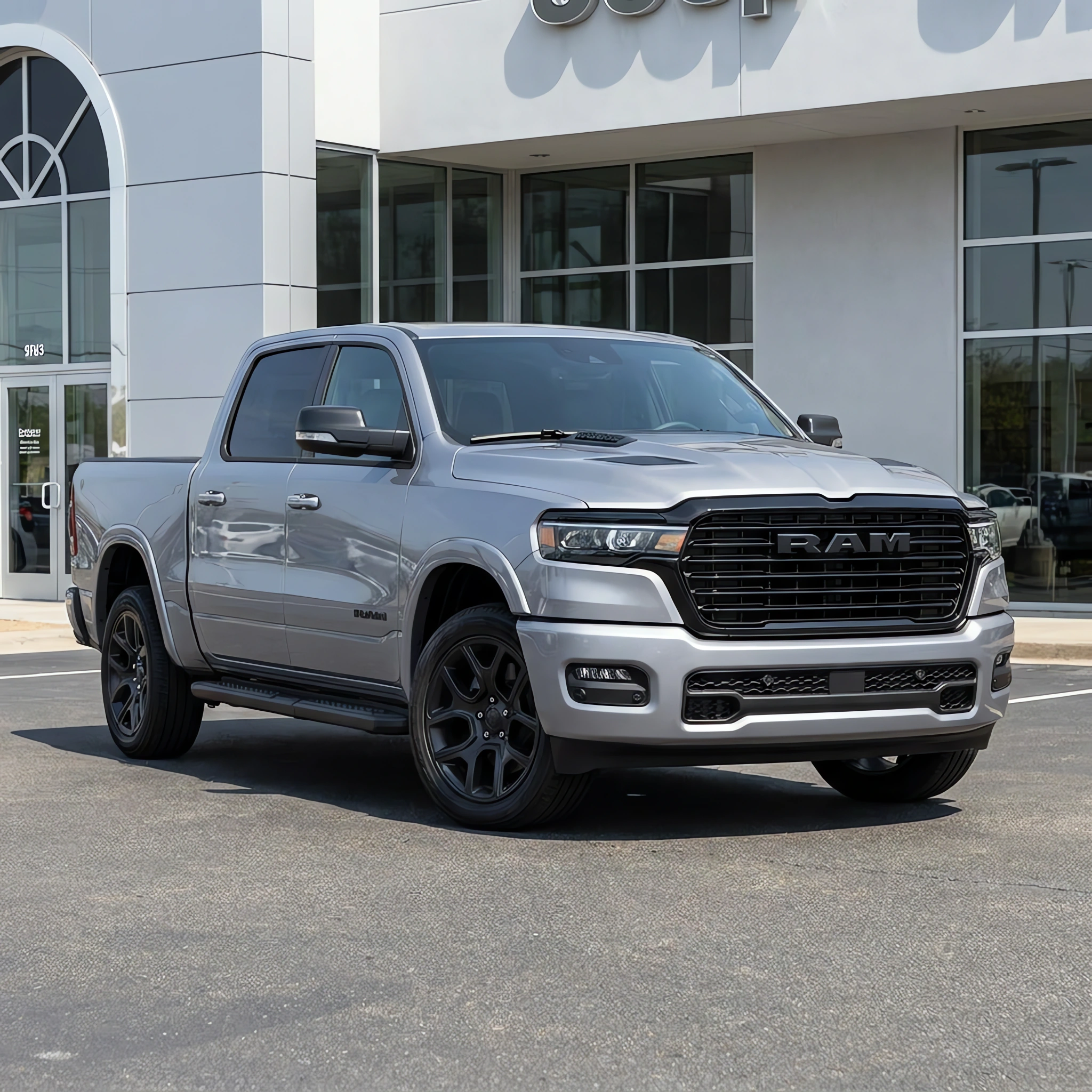
The 2025 Ram 1500 is a redesign year, and confusion mostly comes from engine naming, trim overlap, and 2025-vs-2026 pages ranking together.
In simple terms, “hybrid” talk around the 2025 truck usually means electrified assist features, not a plug-in pickup.
| Scenario | Option | Why it fits |
|---|---|---|
| Primary pick | KUST Windshield Sun Shade | Main product for the search intent and the most direct reference. |
| Alternative 1 | LASFIT Floor Mats | Alternative when texture, feel or function needs to differ. |
| Alternative 2 | Muslogy Truck Bed Cargo Net | Comparison option for tuning routine, finish and tolerance. |
Before digging into trims or accessories, it helps to lock down three basics: model year, powertrain family, and configuration. Miss any one of those and the numbers people quote (towing, payload, fuel use) won’t match the truck sitting on a dealer lot.
- Use the VIN and the door-jamb label to confirm it’s a 2025, not a late-2024 build or early-2026 listing.
- Separate “engine name” from “trim name.” A Tungsten badge and a Hurricane badge aren’t the same thing.
- Expect towing and payload to move with cab, bed, drive type, axle ratio, and options. One headline figure never covers all builds.
How to interpret “2025 Ram 1500” in plain terms
It refers to the 2025 model-year version of the Ram 1500 full-size pickup, sold in multiple trims and configurations under one nameplate.
Shoppers run into the same trap over and over. Search results mix official pages, reviews, and listings that don’t clearly separate 2025 from adjacent years. Some pages also lean on marketing names that sound like trims, engines, or special editions, even when they’re really just packages or submodels.
Start by treating “Ram 1500 2025” as a family of builds, not a single truck. A Crew Cab with a short bed, four-wheel drive, and a high-output engine is a very different machine from a two-wheel-drive work-focused setup. Both can be called a 2025 Ram 1500. That naming simplicity is convenient for branding, but it makes research messy.
And “2025 Dodge Ram 1500” shows up in searches for historical reasons. “Dodge Ram” stuck as a habit in the US market, even though Ram is its own brand now. The wording doesn’t change the truck being discussed, but it can change what pages surface.
What’s new for the 2025 Ram 1500, and why 2026 pages show up
The 2025 model year is where the refreshed Ram 1500 lineup lands, so a lot of information online blends launch details, early production notes, and later updates. That’s why searches for the 2025 Ram 1500 can pull up a page labeled 2026 while still describing the same general redesign direction.
There are two practical consequences. First, some specs and features get presented as if they’re universal, when they’re trim- or option-dependent. Second, powertrain availability gets oversimplified. Engine families get mentioned together, then readers assume every trim can be ordered with every engine. That assumption breaks fast once a build sheet is involved.
Model-year clarity comes from documents, not headlines. A dealer listing title can be wrong. A review can be written from a preproduction drive. The most reliable checks are boring but decisive.
- VIN: the 10th character encodes the model year. It’s the cleanest cross-check when listings feel inconsistent.
- Monroney label (window sticker): confirms model year, standard equipment, and installed options on that specific truck.
- Door-jamb certification label: shows build month and tire/loading information, useful when payload matters.
Even when 2025 and 2026 share a similar look, small availability changes can matter. A trim may gain or lose an option bundle. A package name may shift. That’s enough to change the buying decision if a specific feature is the reason for shopping.
Powertrains and the “hybrid” question: what people mean in 2025
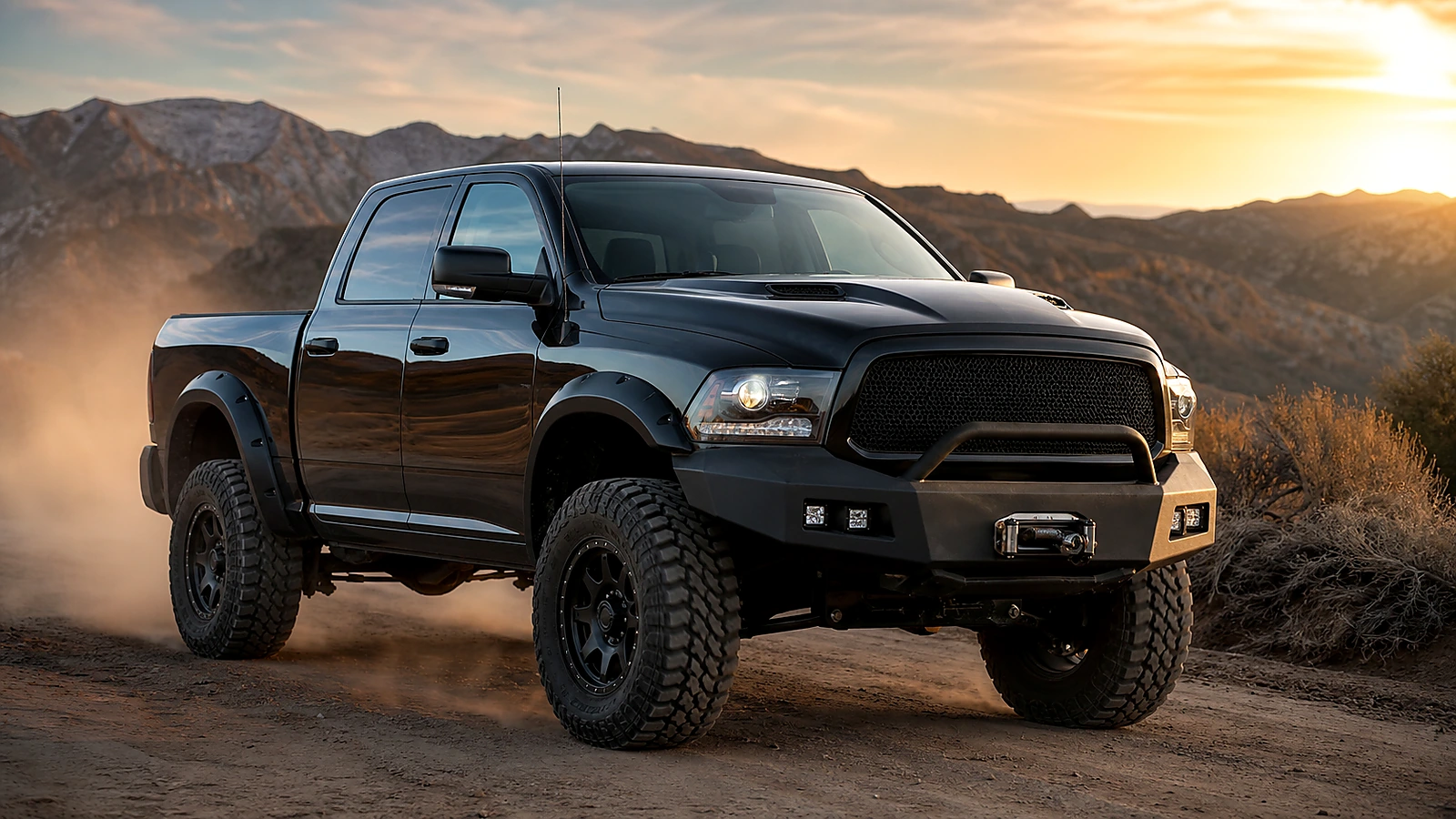
Most “is the 2025 Ram 1500 hybrid?” questions come from two places: newer engine families being marketed heavily, and the broader market trend toward electrified trucks. For 2025, the safe way to think about it is simple. Unless a listing clearly states a plug-in system and shows charging hardware, it’s not a plug-in pickup.
So what counts as “hybrid” in everyday talk? Often it’s mild electrification. Some mild-hybrid designs use a higher-voltage electrical system to support start-stop and smoother restarts, and to reduce strain on the main 12-volt battery. Depending on the implementation, it can also change how the truck feels in traffic. It doesn’t replace gasoline, and it isn’t the same thing as a plug-in hybrid.
Engine names add to the blur. Buyers see “Hurricane” and assume it’s a hybrid brand name. Others see “HEMI” and assume it’s the only V8 path. Another group expects the Pentastar V6 to be the default entry engine forever. Those expectations don’t reliably map to 2025 ordering reality. The only clean approach is to treat the engine as a separate decision from the trim, then verify availability for the exact trim being considered.
A quick sanity check helps: if the listing mentions charging time, plug type, battery capacity in kilowatt-hours, or electric-only range, it’s talking about a true hybrid or plug-in hybrid architecture. If it talks about start-stop behavior, restart smoothness, or “eTorque”-style language, it’s mild electrification.
For a reader trying to connect this to real use: mild electrification matters most in stop-and-go driving, hot-weather accessory load, and short trips where restart smoothness is noticeable. Long highway towing changes far less.
One more nuance. “Hybrid” talk often gets mixed with towing expectations. Towing ratings don’t come from the battery story. They come from cooling, gearing, axle ratio, chassis setup, and how a specific engine is calibrated under sustained load.
For a plain-language explainer on how hybrid and electric vehicle systems are categorized, the US Department of Energy lays out the common definitions clearly on a single page: US Department Of Energy EV And Hybrid Basics
Capabilities are configuration problems, not single numbers
People shopping the 2025 Ram 1500 often want one clean towing number and one clean payload number. That’s understandable. It’s also how buyers end up disappointed after purchase.
Towing and payload ratings are tied to the exact build. Cab style (Crew Cab, Quad Cab, Regular Cab), bed length, drive type (2WD or 4WD), tire selection, and axle ratio all move the rating. Option content can move it too. Heavier luxury equipment adds curb weight, and curb weight eats payload. Off-road hardware can do the same, even when it improves traction and durability in rough use.
Payload is the number that gets silently compromised. A high-trim interior, a big panoramic roof, power steps, larger wheels, and a full-time four-wheel-drive system can all reduce available payload without changing how the truck looks in photos. That matters if the truck will carry a slide-in camper, a bed rack with gear, or a heavy tongue weight trailer setup.
For buyers who use the truck hard, the door sticker matters more than brochure claims. It lists tire and loading information for that exact vehicle, and it’s the fastest way to catch a “looks right, won’t carry it” mismatch.
And for new owners, capability planning should include the boring add-ons. A full tank of fuel, passengers, a bed cover, and a hitch setup all count against payload. That math doesn’t care about trim names like 2025 Ram 1500 Tungsten or performance-flavored labels like 2025 Ram 1500 RHO.
Trim names are lifestyle labels, but they change the truck’s weight and priorities
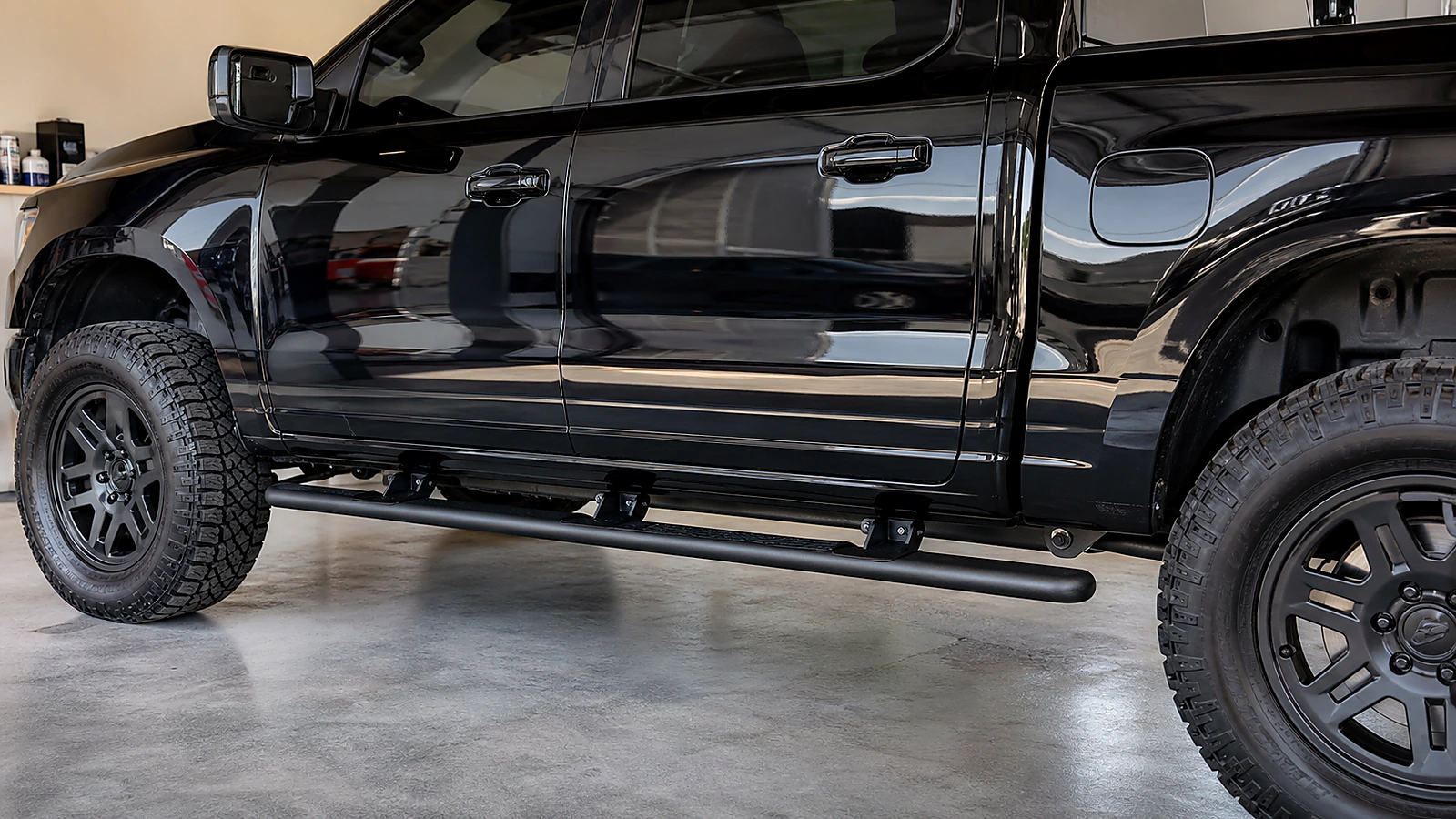
Trim selection on a 2025 Ram 1500 is not just about seats and screens. It quietly sets the truck’s baseline weight, tire and wheel choices, and sometimes the suspension tune. Those three things shape comfort, payload headroom, and how the truck behaves when loaded.
Luxury-oriented trims such as the 2025 Ram 1500 Tungsten tend to add mass through sound insulation, larger wheels, power features, and big glass. That’s great for daily comfort. It can be a mismatch for frequent heavy payload work because payload is the leftover capacity after curb weight. One optioned-up truck can look identical online to a lighter build, then show a very different payload number on the door label.
Off-road leaning trims or packages (Rebel-style positioning, skid plates, all-terrain tires) shift priorities too. Extra protection and more aggressive tires help on gravel and rutted access roads. They can also increase rolling resistance and cabin noise. That matters on long highway drives.
Performance-branded names add a different kind of confusion. A term like 2025 Ram 1500 RHO reads like a powertrain to some buyers and a trim to others. Treat it as a positioning label first. Then verify the actual engine, axle ratio, and tire spec on the build sheet.
When trim shopping gets overwhelming, it helps to think in constraints instead of badges. A driver who tows occasionally and commutes daily has a different constraint set than someone doing weekly dump runs or hauling a slide-in camper.
- Comfort-first use: quieter tires, smaller wheel diameters, and fewer heavy add-ons preserve ride quality and payload margin.
- Rough-road access: prioritize tire sidewall, underbody protection, and recovery points over appearance packages.
- Heavy cargo: watch curb weight creep from roofs, steps, and large wheel packages.
Cab, bed, and the “real truck” math: where inches and pounds show up
Configuration choices on the 2025 Ram 1500 look cosmetic until the day-to-day realities show up. Bed length changes what fits flat. Cab size changes rear-seat comfort and how often gear ends up in the bed exposed to weather.
Simple measurements keep the decision grounded. The 5-foot-7 bed is commonly listed at 67.4 inches of length. It won’t take a standard 4×8 sheet flat with the tailgate up. The 6-foot-4 bed is commonly listed at 76.3 inches, still short of 96 inches, but it reduces how far the tailgate has to carry the load. The difference feels small on paper and big in use.
Cab choice is often decided by people, not cargo. Crew Cab is the common family and adult-passenger solution. Quad Cab can work for occasional back-seat use, but it’s not the same comfort story on long drives. Regular Cab buyers usually know why they want it.
Then there’s turning radius and parking. A longer wheelbase and longer bed make tight city lots and older garages more annoying. That annoyance becomes routine.
Payload and towing implications still exist here, but the most immediate penalty is convenience. A truck that “fits the lifestyle” gets used more. A truck that’s always a hassle ends up being driven like a compromise.
Driver-assist and safety tech: what’s real, what’s optional, and what to verify
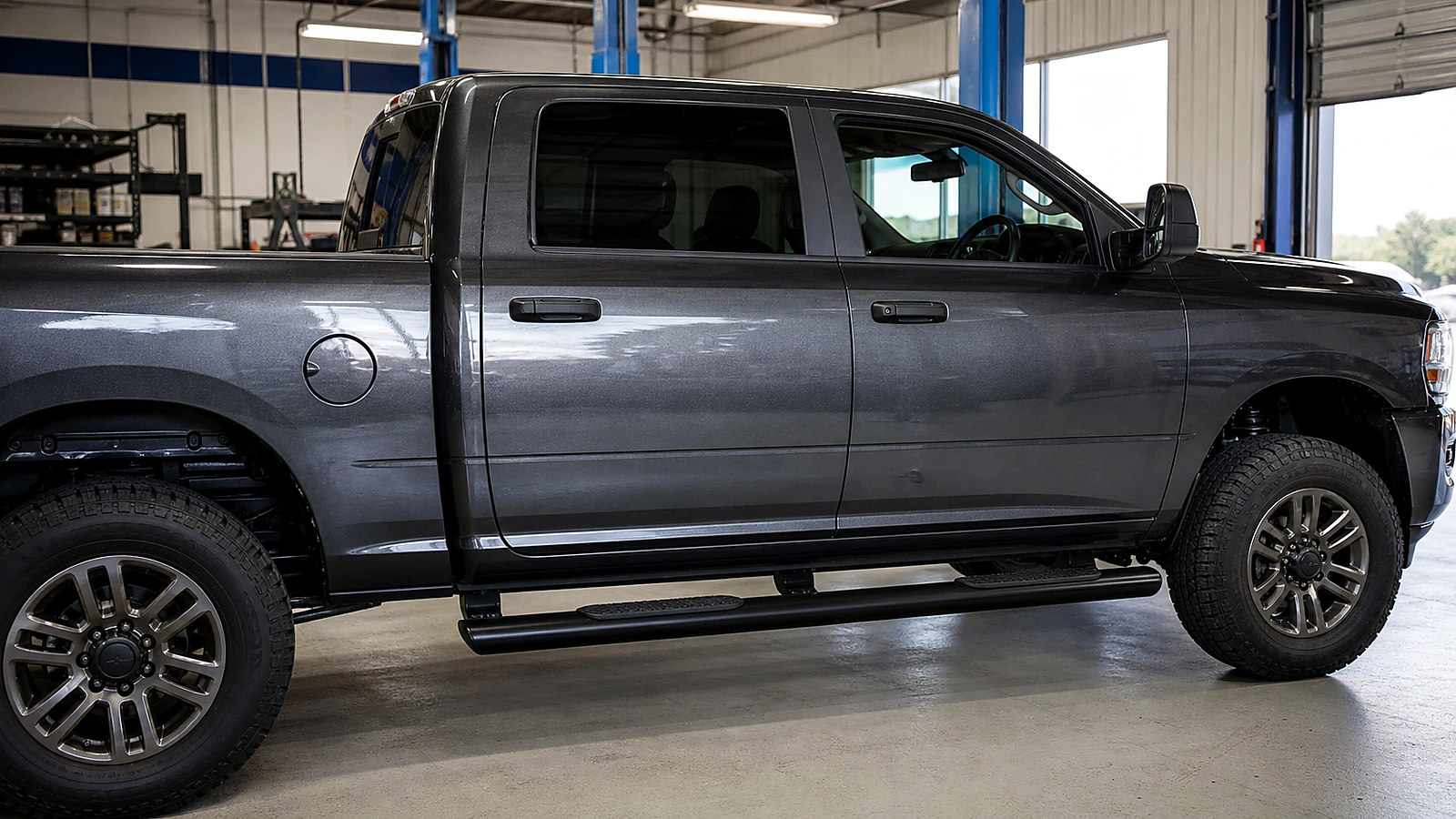
On the 2025 Ram 1500, driver-assist content varies by trim and package, and it’s easy to assume a feature is standard because it appears in photos. Confirm the actual equipment list for the exact VIN.
In the United States, safety compliance starts with the Federal Motor Vehicle Safety Standards. Those rules set baseline requirements for items like airbags, lighting, and braking systems. They do not guarantee that a given truck has advanced driver assistance such as adaptive cruise control or lane centering. Those are usually trim- or package-dependent. The National Highway Traffic Safety Administration maintains detailed FMVSS information by standard number on a dedicated explainer page: NHTSA FMVSS Overview
Real-world usefulness depends on how the truck is used. Adaptive cruise control matters most on long highway stretches. Blind-spot monitoring matters most in dense traffic, especially with wide trailer mirrors or a bed full of gear blocking rear visibility. Parking sensors and camera views matter when the truck is driven daily in tight spaces.
Some systems also change behavior when towing. Trailer length can confuse blind-spot coverage if the system isn’t configured for a trailer. That’s not a defect. It’s a setup and expectation issue.
- Verify by VIN: don’t rely on “fully loaded” listing language.
- Check camera views: the number of views and clarity vary by package.
- Ask about trailer settings: it affects alerts and confidence when pulling long loads.
Applied ownership: heat, clutter, and small add-ons that change daily satisfaction over months
Accessory choices for a 2025 Ram 1500 are rarely about looks. They tend to solve three routine problems: heat soak, cabin clutter, and bed organization. Those problems show up every week, so small fixes earn their keep over time.
Heat is the easiest to underestimate. In warm climates, a truck’s cabin can climb fast when parked in direct sun for 30 to 60 minutes. A windshield shade doesn’t change the laws of physics, but it reduces dashboard and steering wheel heat load and can make the first minutes of driving less punishing.
For that specific use, a vehicle-specific shade can fit better than a generic collapsible panel. One example that’s commonly cross-listed for 2011 through 2026 Ram 1500 cabs is KUST Windshield Sun Shade. Fit still needs a quick check against cab type because Crew Cab, Quad Cab, and Regular Cab listings sometimes get bundled together.
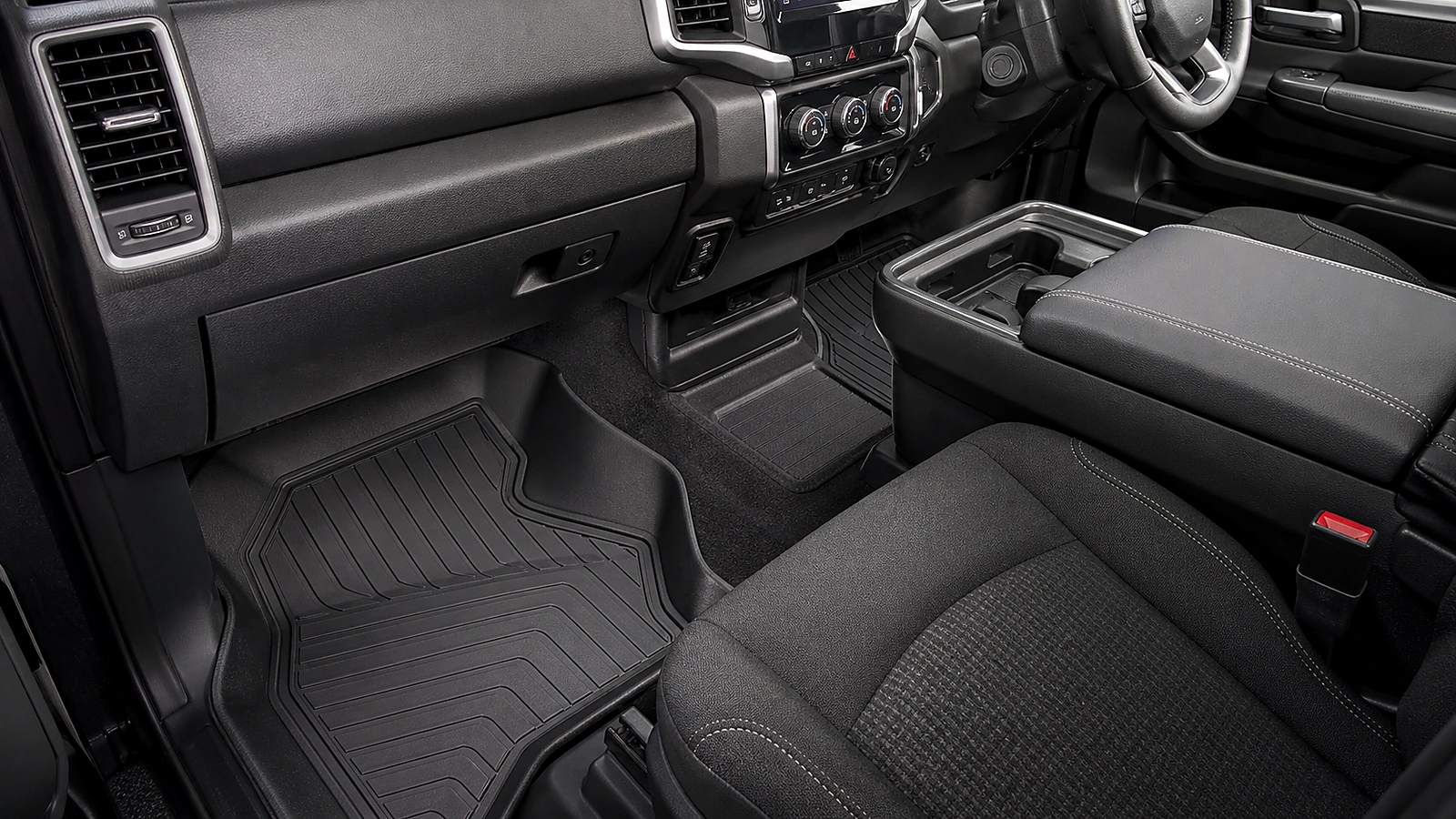
Clutter is the second slow burn. Door pockets get filled with charging cables, small tools, and registration paperwork. Inserts and trays sound trivial until they stop the “everything slides to the bottom” problem. The same logic applies to floor liners in wet or muddy seasons. Deep channels and full coverage matter more than branding when boots are involved.
Bed organization is the third. A cargo net helps when the bed is used for groceries, small bins, or light gear that shouldn’t bounce around. A bed mat is a different tool. It reduces sliding and protects paint, but it can conflict with certain bed storage systems. Listings that mention Rambox compatibility are flagging a real fit constraint, not marketing fluff.
Accessory shopping stays sane when it follows the truck’s actual use pattern over a few months. Daily commuting in heat calls for sun and interior protection. Regular hauling calls for bed friction and tie-down control. Mixing those priorities is fine. Buying every category at once usually isn’t.
Options that quietly change towing and payload on a 2025 Ram 1500
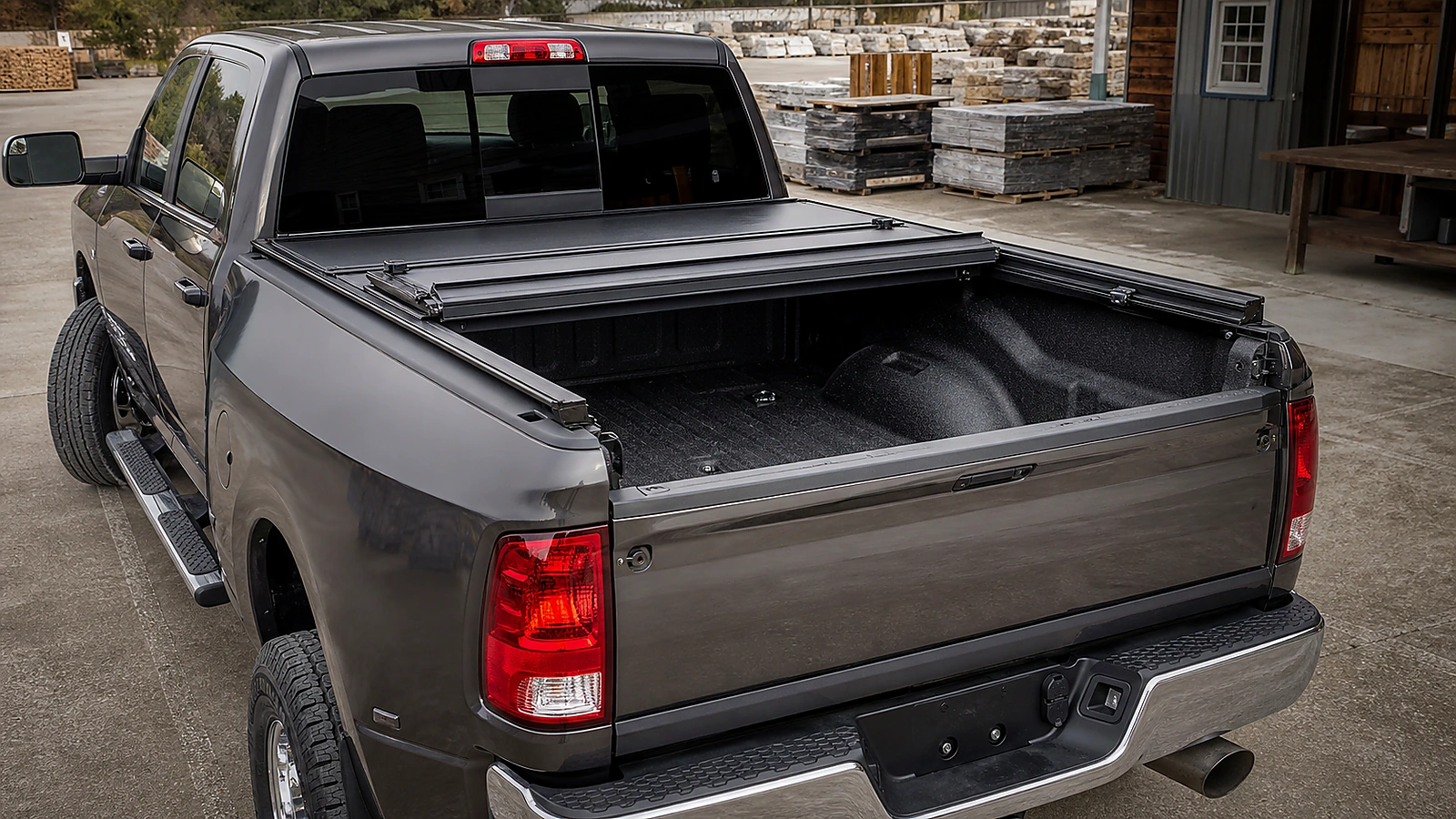
Most capability disappointment comes from shopping by trim name and then discovering the truck’s ratings moved because of a few quiet choices on the build sheet. For the 2025 model year, the fastest way to stay aligned with real use is to treat towing and payload as outcomes of equipment, not as marketing claims. Two trucks can share the same badge and still behave differently when loaded.
Start with payload, because it’s the number that gets spent without anyone noticing. The door label is the decision document. It reflects that exact truck’s tires and loading limits, and it captures curb-weight creep from options. One heavy option can matter more than an engine name if the plan includes a camper, a bed rack, or a high tongue-weight trailer.
These are the common “rating movers” worth checking before any negotiation:
- Drive type and transfer case: 4WD adds weight and can change axle and cooling packages. That can help traction, but it often trims payload headroom.
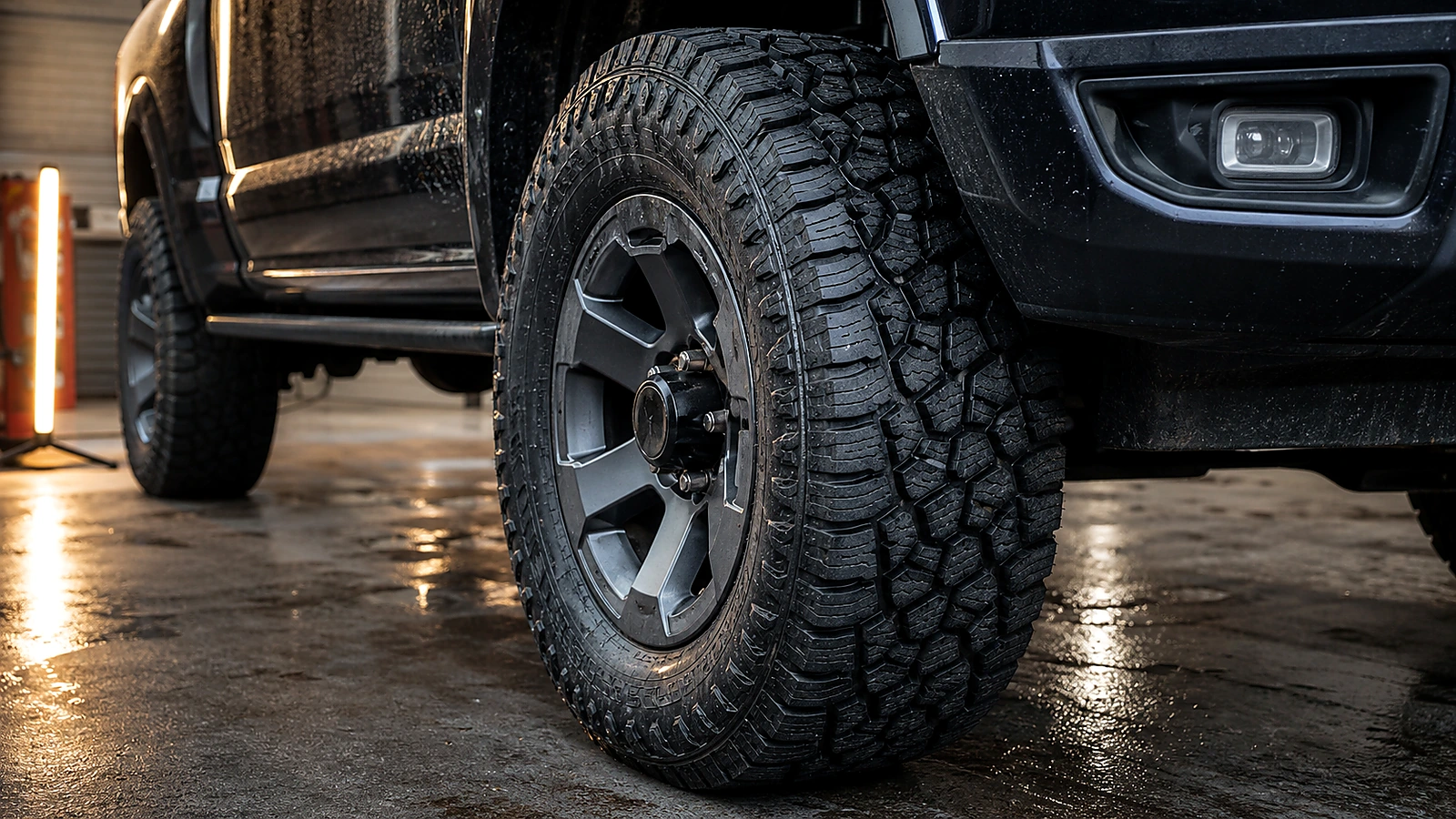
- Wheel and tire choice: larger wheels and heavier tires can reduce payload and change ride behavior. All-terrain tires also change rolling resistance and noise on long highway days.
- Axle ratio and tow package content: towing confidence comes from gearing and thermal management. A hitch receiver alone isn’t the whole tow package story.
- Bed systems and storage hardware: add-ons in the bed can steal payload and sometimes change what mats or liners fit, especially when a listing calls out Rambox fit limits.
- Roof and step equipment: panoramic roofs, powered steps, and other comfort hardware add mass. They feel “free” until payload is tight.
One clear editorial position belongs here. If a truck will tow heavy or carry heavy more than a few weekends per year, shopping should start with the door-label payload and the exact tow package content, then work backward into trim. Doing it the other way around creates expensive surprises.
Used and nearly-new shopping: what to verify before trusting a listing
Many shoppers land on used or nearly-new inventory because it’s the easiest way to get a specific configuration without waiting. That can be smart. It also raises a different set of checks than a factory order, especially when listings mix the refreshed truck with older naming habits like “2025 Dodge Ram 1500.”
Verification doesn’t need to be complicated. It needs to be consistent.
- Match VIN to model year: confirm the year from the VIN, then confirm the window sticker or build documentation matches the listing photos and equipment.
- Read the door label: use the payload figure on the sticker as the real-world constraint. Don’t accept a generic brochure number in its place.
- Look for towing-specific wear: hitch receiver condition, safety-chain points, and trailer wiring use can hint at how the truck lived. Heavy towing isn’t automatically bad, but it changes what to inspect.
- Confirm driver-assist features by equipment list: listings often use “fully loaded” language. Cameras, sensors, and adaptive cruise need VIN-specific confirmation.
- Check tire type and size against the listing claim: a truck photographed on aggressive tires may not match the efficiency or ride expectations implied in the description.
For anyone shopping across state lines, also check the basics that affect long-term ownership: rust exposure, title status, and whether recalls have been completed. NHTSA’s VIN lookup page is the cleanest public starting point for recall status: NHTSA Recall Lookup
Small daily-use accessories can be evaluated with the same verification mindset. Fit claims often bundle multiple cab types together. When a product page lists Crew Cab, Quad Cab, and Regular Cab in one line, treat that as a prompt to double-check dimensions and windshield shape for the exact truck.
When it works – and when it doesn’t
This approach fits drivers treating the 2025 Ram 1500 as a configured tool. It works best when the shopping process starts with constraints (payload, towing pattern, parking space, climate) and uses the VIN, window sticker, and door label to keep claims honest. It also suits buyers who plan to keep the truck long enough to care about day-to-day friction: heat soak, mud, clutter, and cargo sliding.
It won’t fit anyone trying to shop by badge alone, or anyone expecting one headline tow number to apply to every 2025 Ram 1500 on a lot. It also tends to frustrate buyers who dislike option detail and paperwork. A high-trim truck can still be the right pick, but only if the door-label payload and the exact equipment list support the intended workload.
Accessory picks that make daily use easier (without pretending they change the truck)
Accessories don’t turn a 2025 Ram 1500 into a different model. They do change daily satisfaction. The clean way to choose is to match the accessory to a repeated annoyance, then keep the purchase narrow. Heat, wet floors, and bed slide are the usual culprits.
For heat management, a vehicle-specific windshield shade is a reasonable first buy in hot climates. If the product page matches the cab and the windshield shape, KUST Windshield Sun Shade is one commonly cross-listed for Ram 1500 model years that include 2025. Expect the biggest benefit after 30 to 60 minutes parked in direct sun, when the steering wheel and dash normally spike in temperature.
For wet and muddy seasons, full-coverage floor liners matter more than brand language. The practical check is simple: confirm cab type and whether the truck has rear under-seat storage that changes coverage. LASFIT Floor Mats are one option that calls out Crew Cab fitment and the rear under-seat factory storage bucket setup. That kind of specificity is a good sign because it acknowledges the common fit mismatch.
For bed use, a mat and a net solve different problems. A mat adds friction and protects paint. A net keeps light cargo from migrating. If the bed regularly carries bins, groceries, or loose gear, Muslogy Truck Bed Cargo Net is the sort of simple solution that can reduce the “everything ends up at the tailgate” pattern. If the truck tows or hauls heavy, keep accessories light and removable so they don’t quietly consume payload.
Common questions
Is the 2025 Ram 1500 a hybrid?
Most listings using “hybrid” language refer to mild electrification features, not a plug-in system. A true plug-in description will include charging details like a plug type, charging time, or battery capacity.
Why do search results mix 2025 and 2026 pages for the same truck?
Search results often surface redesign pages that overlap model years and share similar photos and trim names. Model year should be confirmed using the VIN and the specific window sticker for the truck being considered.
What’s the quickest way to know the real payload on a specific Ram 1500 2025?
Use the door-jamb certification label, not a brochure figure. That sticker reflects the exact truck’s equipment and tire setup, and it captures how options reduced payload.
Does a luxury trim like a 2025 Ram 1500 Tungsten automatically mean lower capability?
Not automatically, but added equipment increases curb weight and can reduce available payload. Capability can still be strong, but the door-label payload becomes the deciding constraint for real hauling.
Is “2025 Dodge Ram 1500” a different truck from “2025 Ram 1500”?
No, it’s usually a legacy naming habit in listings and searches. The important part is verifying the model year and equipment for the specific VIN, not the wording in the title.
Bottom line
The 2025 Ram 1500 makes sense when the exact configuration matches the workload, and the door-label payload and equipment list are treated as non-negotiable facts.
Recommended next reads
Use these related DodgeGo guides to move from model context to ownership checks, fitment details, and relevant parts research.
- Model context: RAM 1500 TRIM LEVELS: WHICH IS RIGHT FOR YOU? — trim differences, equipment priorities, and buying context.
- Parts and fitment: Best running boards for Ram 1500: Crew Cab and Quad Cab fitment — body-style fitment and current Amazon-linked step options.
- Model context: 2019 Ram 1500 Rebel photo guide: what to notice before you buy, build, or restore one — Rebel-specific details to inspect before buying or modifying.
- Parts and fitment: Best tires for Dodge Ram 1500: sizes, load ratings, and owner feedback — size, load-rating, and current Amazon-linked tire options.