
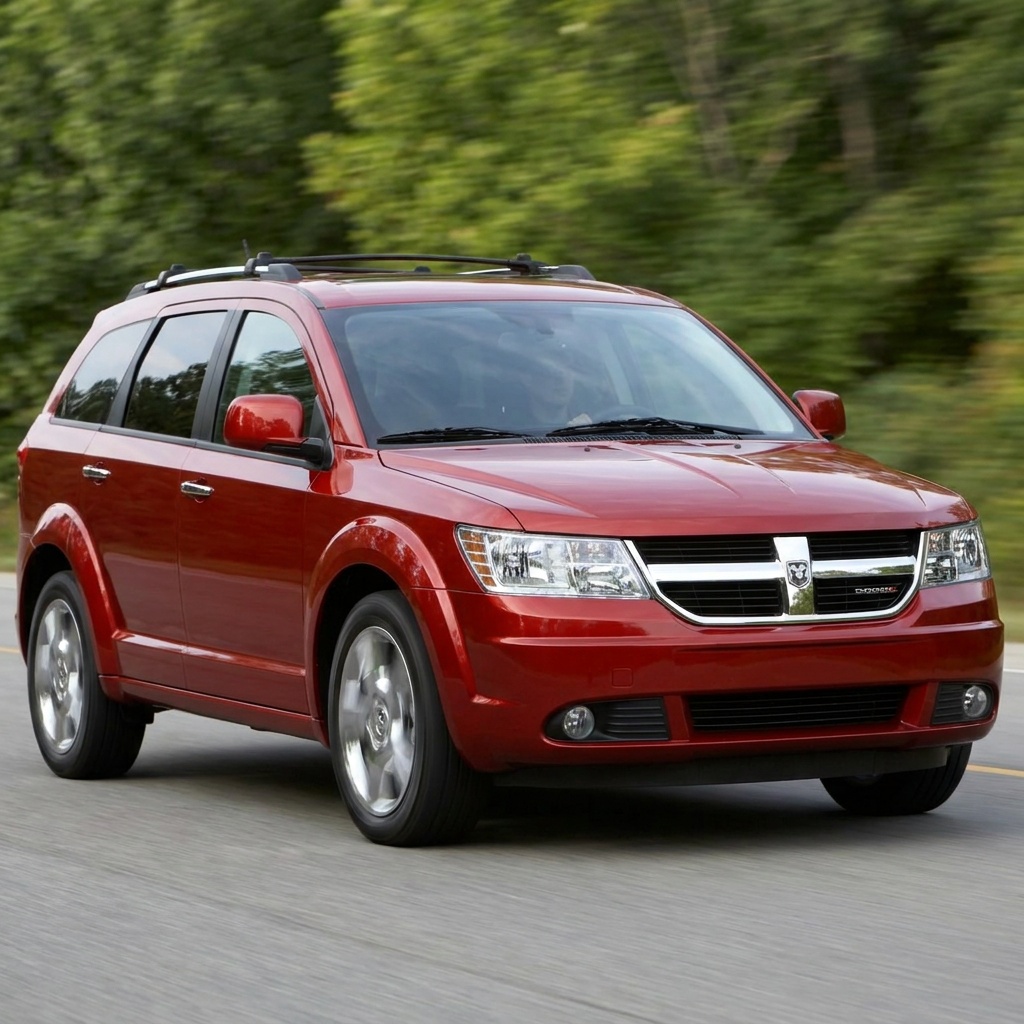
A 2010 Dodge Journey can be a practical used crossover if you check the drivetrain, cooling system, and electrical basics before buying.
In simple terms, this means checking whether a specific used Journey has been maintained and drives cleanly, not just whether the model looks good on paper.
People search "2010 Dodge Journey" for two different reasons. Some are comparing older three-row crossovers by price and space. Others are already staring at a listing and want to know what can go wrong, what to test on a drive, and what questions to ask before committing.
Start with the car in front of you. A clean history report and shiny photos don’t confirm mechanical condition. Service records, a cold start, and a careful test drive do.
Use this early framing to stay oriented:
- Think in configurations: 4-cylinder vs V6, FWD vs AWD, and trim equipment all change ownership experience.
- Think in risk points: overheating, transmission behavior, and weak batteries or grounds show up fast if you look for them.
- Think in total cost: tires, brakes, and deferred maintenance can cost more than the purchase price difference.
How the 2010 Dodge Journey fits today’s used-crossover market
As a used family-hauler, the 2010 Dodge Journey sits in a very specific lane. It’s a midsize crossover that offered optional three-row seating and a value-first equipment mix. That can be attractive when the goal is space and a low entry price, even if the driving feel and efficiency won’t match newer crossovers.
Age changes the equation. A 2010 model is old enough that condition matters more than any brochure feature. Rubber parts age. Fluids get ignored. Batteries and alternators see repeated heat cycles. That’s why two "Dodge Journey 2010" listings with the same mileage can drive completely differently.
Expectations need to be set early. This isn’t the right pick for someone who wants modern driver-assist systems or high fuel economy. It can fit better for a buyer who needs straightforward transportation, occasional third-row use, and a cabin that can take wear without feeling precious.
One detail helps anchor the era: many 2010 Journeys shipped with 17-inch or 19-inch wheels depending on trim. Wheel size affects tire cost, ride comfort, and road-noise. It’s not just looks.
What’s actually different across 2010 Journey trims and configurations?
Trim badges matter less than the underlying hardware, but they still guide what to inspect. A 2010 Dodge Journey was commonly seen in trims like SE, SXT, and R/T. Equipment differences can include wheel size, audio and infotainment features, seating materials, and available convenience options.
More important is the powertrain. Many shoppers will run into a 4-cylinder version and a V6 version. The V6 typically feels more relaxed in everyday driving, especially with passengers or hills. The 4-cylinder can feel strained when loaded. That shows up as higher engine speed on highway merges and more frequent downshifts.
Drivetrain choice also changes what can fail. FWD keeps things simpler. AWD adds components that need to be quiet and smooth. On a test drive, tight parking-lot turns can reveal binding or clunking if something in the AWD system or CV joints is unhappy.
Seat count is another real-world difference. "Three-row" in this class often means "occasional third-row." Adults may fit for short trips, but legroom and access can be limiting. Bring a realistic passenger to the viewing if third-row use is a requirement. It’s an easy reality check.
Common configuration clues to note before you even start the engine:
- Look at the badge and exhaust layout, but also confirm engine type on the under-hood label or paperwork.
- Check tire size on the sidewall. A 19-inch setup can shift running costs sharply.
- Confirm whether it’s AWD by checking the rear differential area and the vehicle information, not by guessing.
Reliability context: where age and maintenance hit a 2010 Dodge Journey
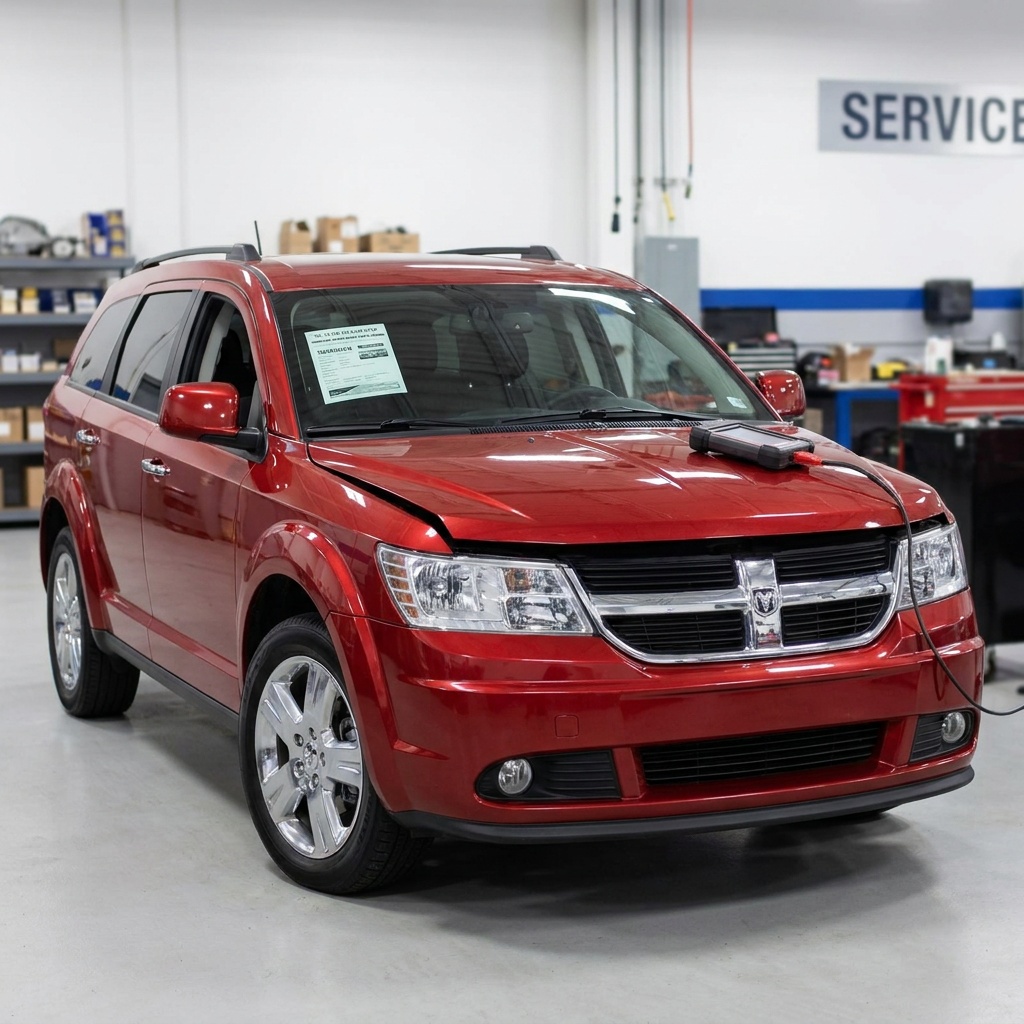
Used-car reliability isn’t a single score. It’s a set of systems that either were maintained on schedule or weren’t. On this 2010 Journey crossover, the expensive problems tend to come from overheating events, neglected transmission servicing, and electrical weak points that snowball into "no-start" mornings.
Cooling system health is a priority because one overheating episode can turn into a much larger repair. During inspection, look for dried coolant residue around hoses, the radiator area, and the coolant reservoir. Smell matters too. A sweet odor after a drive can point to a small leak that only shows when hot.
Transmission behavior should be evaluated calmly and consistently. Harsh engagement into Drive or Reverse, delayed movement after selecting a gear, or shuddering under light acceleration should be treated as a sign to slow down the purchase and get a professional inspection. Smoothness matters more than "it eventually goes."
Electrical issues often present as intermittent symptoms. Slow cranking, flickering interior lights, or random warning messages can be as simple as a tired battery. They can also be poor grounds, corroded terminals, or charging-system weakness. The only safe approach is measurement. A healthy resting battery is typically around 12.6 volts, and charging voltage is often around 13.7 to 14.7 volts with the engine running.
Recalls and service campaigns can also shape risk. A buyer should verify open recalls by VIN using the official NHTSA recall lookup.
None of this automatically condemns a 10 Dodge Journey. It just changes the order of operations. Verify first. Negotiate later.
A viewing and test-drive script that catches costly surprises early
A good viewing is structured. It doesn’t need special tools, but it does need discipline. Start with a cold engine if possible. Warm engines can hide hard starts, noisy timing components, and weak batteries.
Before the key turns, walk the car in a slow loop. Uneven tire wear can hint at alignment issues or worn suspension components. Tires that are worn on the inside edge are a classic sign that the vehicle may need more than just rubber. Check for wetness under the engine bay and under the rear area after it’s been parked.
Then do a cabin check. Turn the blower fan through all speeds and listen for squeaks or rattles. A noisy blower motor or weak airflow can be a simple fix, but it also signals neglected cabin filtration and general maintenance habits. Make sure all power windows and locks work. Slow windows can mean tired regulators or low voltage.
On the road, keep the first minutes gentle. Listen for clunks over small bumps and for humming that rises with speed. Then add load: a steady uphill pull or a firm merge onto a highway will reveal whether the drivetrain feels strained or if the transmission hunts unpredictably.
Use a few repeatable checks:
- Do three medium stops from 35 to 10 mph. Pulsation can suggest warped rotors; pulling can suggest caliper issues.
- At 45 to 60 mph, hold a light throttle and feel for shudder. It can show drivetrain or tire problems.
- After the drive, let it idle for two minutes. Watch temperature stability and listen for fan cycling.
Finally, ask for evidence. Oil-change intervals, coolant service, spark plugs, and brake work should be supported by receipts or a credible log. A seller who can show dates and mileage tends to have maintained the vehicle in other ways too.
Running costs on a 2010 Dodge Journey: fuel, tires, and the "small stuff" that adds up
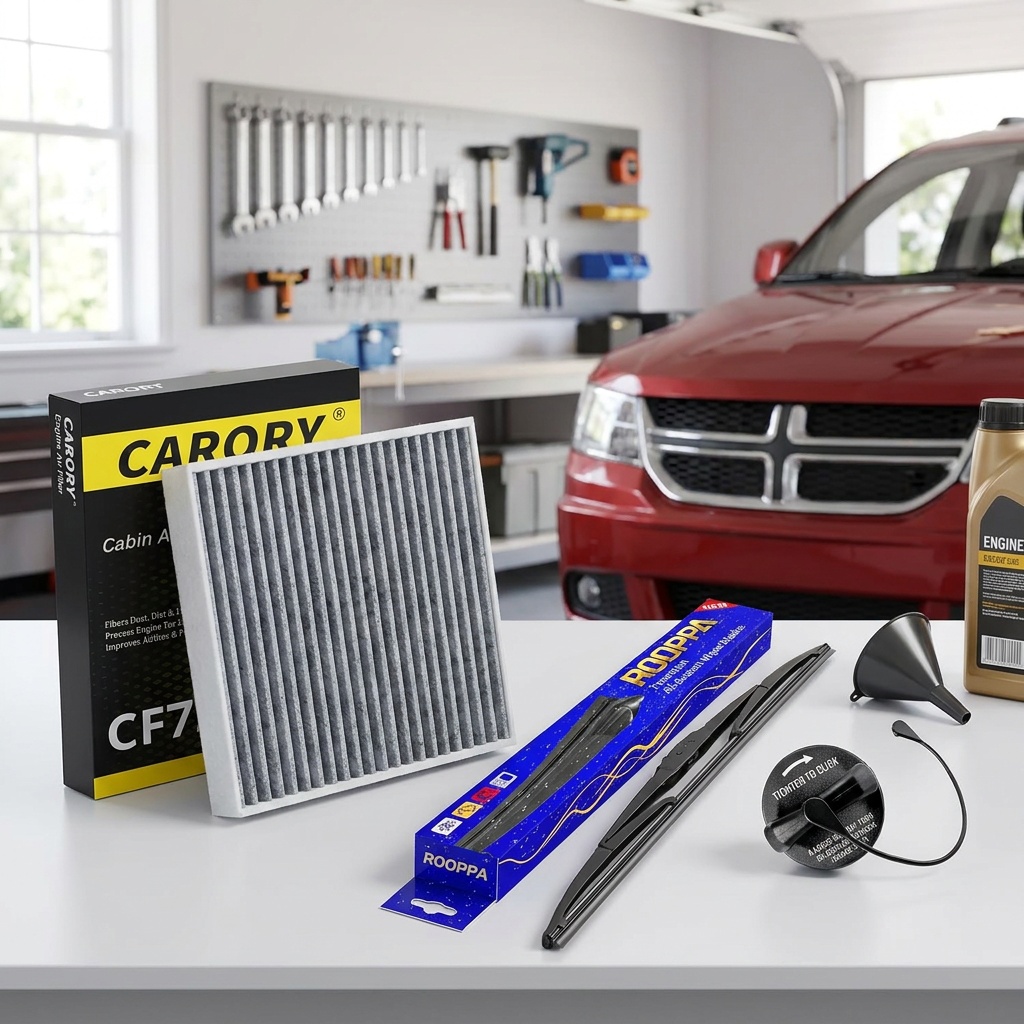
A 2010 Dodge Journey often looks inexpensive until the first year of catch-up maintenance. Budget planning works better when it’s built around wear items and the way the vehicle is actually used: short trips, school runs, long highway commutes, or occasional towing.
Fuel cost swings mainly with engine choice, but also with how the crossover is driven. Stop-and-go driving, long idle time, and heavy loads push consumption up fast. A V6 Journey that feels relaxed at 70 mph can still burn noticeably more fuel in town than a smaller crossover. And a 4-cylinder that’s working hard can end up closer to V6 numbers than expected on hills or when loaded.
Tires are the quiet budget-killer on older midsize crossovers. Many 2010 Journey listings sit on 17-inch or 19-inch wheels. That changes tire pricing and ride quality more than most buyers expect.
- 17-inch setups tend to ride softer and cost less to re-tire, with more all-season options in common sizes.
- 19-inch setups can sharpen steering feel but often increase tire cost and road noise, and they’re less forgiving on potholes.
- Uneven wear often points to alignment or suspension wear, so "new tires" don’t always mean "problem solved."
Brakes are another predictable expense, and they’re easy to misread on a quick drive. A slightly soft pedal can be old fluid, but a pull or vibration under braking often means deeper work. When a seller says "it just needs pads," it’s worth asking whether rotors and calipers were measured, or whether the claim is guesswork.
Then there’s the small stuff that changes day-to-day satisfaction. Weak wipers, stale cabin air, a loose gas cap seal, or a noisy blower fan won’t total the car, but they do shape whether the Journey feels cared for. On a 2010 vehicle, those details often track the owner’s overall maintenance habits.
How to compare listings without getting fooled by "same year, same miles"
Two "Dodge Journey 2010" listings can share the same mileage and still be different vehicles in practice. The gap usually comes from how the miles were accumulated and how the owner reacted to early warning signs.
Start with usage clues. Highway miles tend to be gentler on brakes and steering components. Short trips are harder on batteries, exhaust, and oil condition. A 2010 Journey that lived on short trips can look clean and still behave like a tired car on a cold morning.
Service history matters more than a single "regular maintenance" phrase. A credible record has dates, mileage, and specific items. It also shows patterns. Consistent oil service is good, but a missing coolant or transmission story on a 15-year-old crossover should trigger questions.
Accident history needs a practical reading, not an emotional one. A minor bumper repair can be irrelevant if the car tracks straight, tire wear is even, and panel gaps are consistent. A front-end impact that bent cooling components or pushed the radiator support can haunt a vehicle years later through intermittent overheating or fan issues. Photos and paperwork help, but the inspection tells the truth.
Trim badges can distract from the real comparison. An R/T badge doesn’t guarantee a better-kept vehicle, and an SE isn’t automatically a penalty if maintenance is strong. When the goal is a dependable 2010 Journey crossover, the cleanest path is often "simpler configuration plus evidence."
| What’s Different Between Two Listings | What To Look For | Why It Changes Ownership |
|---|---|---|
| Highway Miles Vs Short Trips | Battery age, oil condition, brake wear, cold-start behavior | Short trips accelerate wear and make no-start issues more likely |
| 17-Inch Vs 19-Inch Wheels | Tire brand/condition, sidewall cracks, matching tires | Re-tire cost and ride comfort can change sharply |
| Simple FWD Vs Added AWD Hardware | Noise on tight turns, vibrations, fluid leaks at rear driveline | More parts to maintain, and more ways for noise to develop |
| "Clean Title" With Limited Records | Receipts, shop names, dates, repeat repairs | Paperwork predicts whether problems were fixed or deferred |
Price comparisons should also be normalized. A slightly higher asking price can be logical if it includes recent tires, brake work, and a documented cooling-system repair. A cheaper listing can be expensive if it needs four tires, front brakes, and overdue fluids in the first month.
Maintenance cadence that keeps a 2010 Journey from turning into a project (timeframe focus)
Older vehicles reward routine and punish neglect. For a 2010 Dodge Journey SUV, the goal isn’t perfection. It’s preventing small issues from cascading.
Think in timeframes, not just mileage. Rubber hoses and belts age even when the vehicle sits. Fluids absorb moisture and lose protective properties. Batteries weaken from heat cycles and short-trip use. A buyer intent on keeping the Journey for 12 to 24 months can often get away with less than a buyer expecting 3 to 5 years of steady family duty.
Basic cadence planning helps:
- Within the first 30 days: baseline fluids and filters should be confirmed, and any warning lights should be scanned with a proper diagnostic tool.
- Every 6 to 12 months: inspect tires for uneven wear, check brake thickness, and look for new seepage under the engine and around the radiator area.
- Before winter and before summer: test the battery and charging system, and confirm the cooling fan behaves normally in traffic.
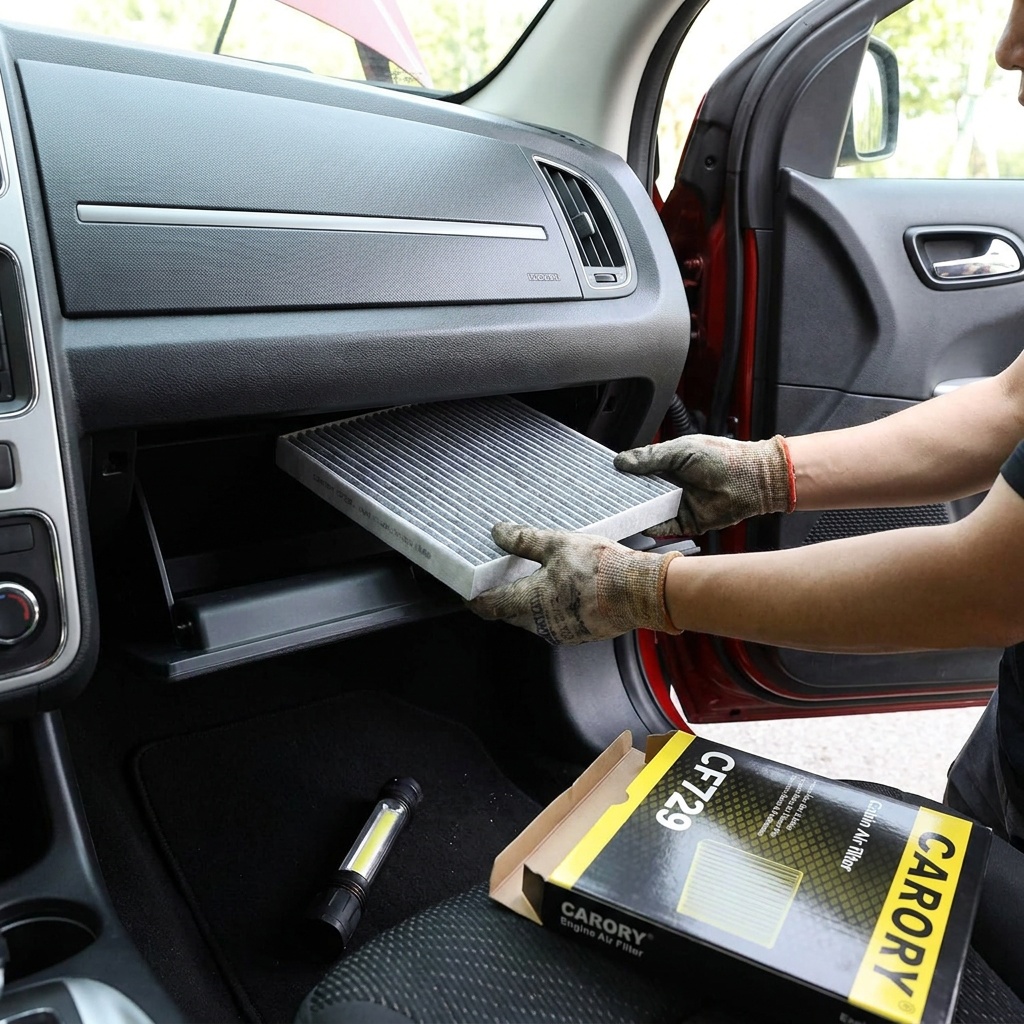
A cabin air filter is a good example of a small maintenance item that changes daily comfort. It affects airflow and can reduce fogging when it’s badly clogged. It also reveals habits. A filter that looks ancient often travels with overdue oil and neglected brake fluid.
For readers who want a concrete reference point for a cabin filter replacement on the Dodge Journey platform, Carory Cabin Air Filter is one common aftermarket option. Fitment should always be verified against the exact vehicle and part numbers before ordering.
Small parts, real outcomes: where cheap fixes help and where they distract
Older crossovers invite "quick fixes." Some are worth doing early. Others create false confidence and delay a needed diagnosis.
Start with fixes that address safety and visibility. Wiper performance is not a cosmetic issue on a 2010 vehicle with aging glass and seals. Streaking or chatter can be worn blades, but it can also be a tired wiper arm spring or a windshield that’s contaminated with old road film. Replacing blades helps, but it’s not always the end of the story.
Fuel-vapor leak codes are another common rabbit hole on older vehicles. A loose or failing gas cap seal can trigger an evaporative emissions fault, and replacing the cap can be a reasonable first step. But a persistent code after a new cap points to hoses, purge valves, or leak-detection issues. That’s when a parts-cannon approach stops being cheap.
Brake pad choice is similar. Ceramic pads can reduce dust and noise in many daily-driver scenarios, but they can’t compensate for warped rotors, sticking calipers, or old brake fluid. A 2010 Journey that shakes under braking needs diagnosis before parts selection.
For context on safety expectations around braking systems and what "normal" stopping performance should look like, the National Highway Traffic Safety Administration maintains consumer guidance on brakes and related safety topics at NHTSA brake safety guidance.
Comfort add-ons like window visors can make sense for drivers who crack windows in rain or heat. They won’t change the fundamentals of this crossover. They also shouldn’t become a substitute for fixing wind noise from worn door seals or misaligned glass.
A useful rule for a 10 Dodge Journey: spend first on anything that affects heat management, stopping, or starting. Spend later on convenience.
Negotiation and walk-away lines for a 2010 Dodge Journey

For a 2010 Dodge Journey, negotiation works best when it’s tied to verifiable needs, not opinions about the model. A seller may ignore "it feels old," but most will respond to concrete costs: mismatched tires, a weak battery test, a brake vibration, or a cooling system seep. Keep the discussion anchored to what will be corrected immediately after purchase, and price those corrections in the same way a repair shop would: parts, labour, and time off the road.
One clean approach is to separate "normal age" from "unresolved symptoms." Normal age is worn seat bolsters or small chips. Unresolved symptoms are delayed engagement, temperature creep in traffic, or repeated warning messages. Those belong in a different bucket. A 2010 Dodge Journey SUV with unresolved symptoms should be treated as an inspection-first vehicle, not a deal-first vehicle. If a seller won’t allow a pre-purchase inspection or won’t permit a cold start, that’s already a pricing signal.
Walk-away lines should be simple. No drama. A few situations justify ending the conversation quickly:
- Any hint of overheating history, especially if the seller can’t explain what was repaired and when.
- Transmission behaviour that changes between cold and warm driving, such as new shudder or harsh engagement after 15 to 20 minutes.
- Electrical issues that appear random (no-start stories, flickering lights, or multiple unrelated warning messages) without a recent battery and charging-system test.
- A title or history report that doesn’t match the story, followed by vague answers.
A confident editorial position belongs here: if the goal is low-drama transportation, a 2010 Dodge Journey should only be bought when it drives clean and the maintenance story is believable. The "cheap because it needs a little love" version often becomes expensive, and it usually becomes expensive fast.
When a 2010 Dodge Journey becomes a smart buy in 2026, and when it doesn’t
Age changes how value works. On a 2010 Dodge Journey crossover, the best deals are rarely the lowest asking prices. The best deals are the cars that look boring on paper but show consistent care: stable temperature, predictable shifting, no unexplained electrical quirks, and a seller who can name the shop that did the work. That combination lowers the risk of the sudden $800 to $2,000 "catch-up month" that turns a bargain into a budget problem.
But some needs don’t match this vehicle’s reality. A buyer wanting modern safety-tech expectations, quiet highway refinement, or consistently low fuel use will keep finding reasons to be disappointed, even if the specific Journey is mechanically sound. And if frequent third-row use is non-negotiable, this class of "occasional third-row" crossover can feel like a compromise from day one. That’s true even when the listing looks perfect.
Used-car shopping also has a timing element. A 2010 vehicle that has been sitting for weeks can develop a dead battery, flat-spotted tires, and sticky brakes. None of those automatically condemn it. They do change the inspection and the negotiation. If the seller presents "it just needs a battery" as a final answer, treat that as unfinished diagnosis, not a reassurance.
Who it fits well, and who should skip it
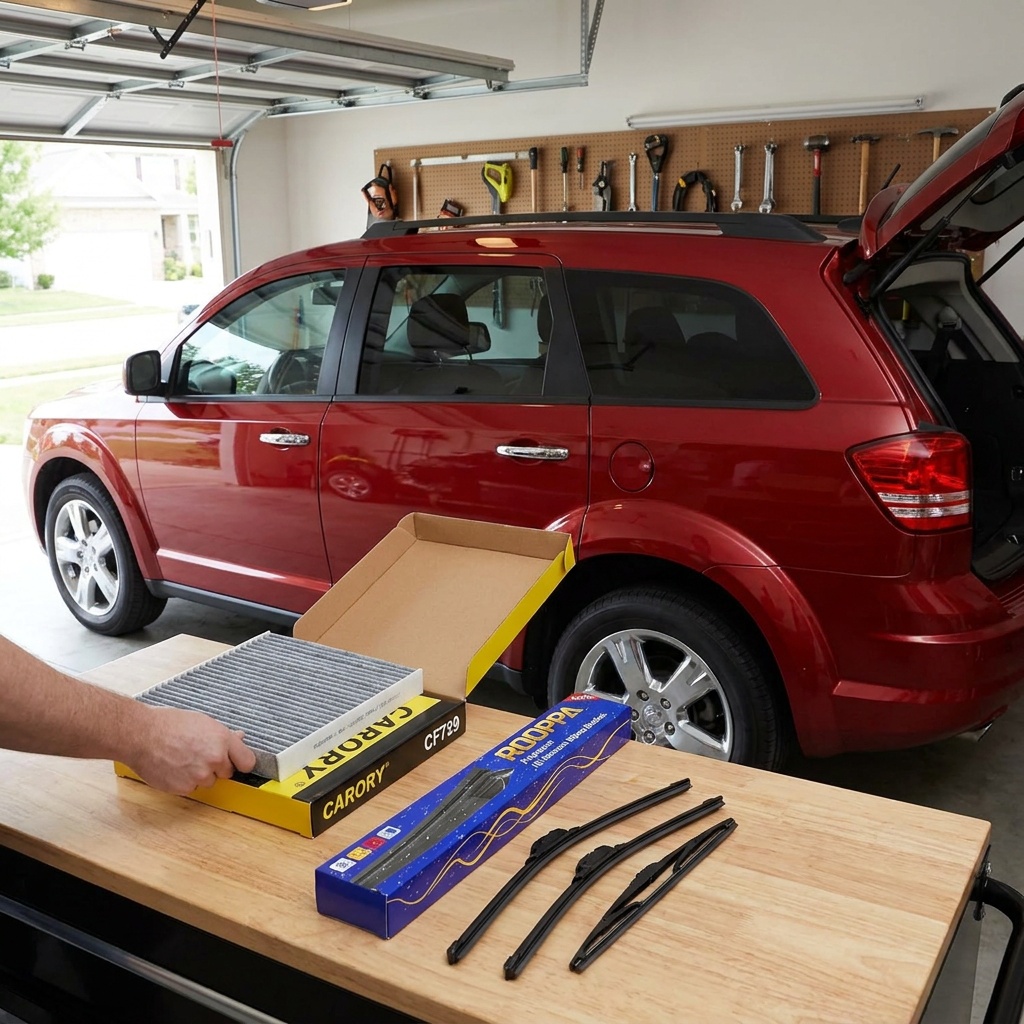
It fits buyers looking at a 2010 Dodge Journey for space and a low entry price, who accept it’s from an earlier era and prioritise a smooth-driving example with provable maintenance. It also makes sense when use is mixed (city and highway) and the third row is occasional, not daily.
It doesn’t fit buyers who need modern efficiency, advanced driver-assist features, or a refined driving experience. It’s also a poor bet when the goal is "cheap no matter what," or when the history is unclear and the vehicle shows intermittent symptoms. In that context, the risk of chained repairs climbs too high.
Frequently asked questions
Is the 2010 Dodge Journey a good used buy today?
It can be, but only when the specific vehicle shows stable temperature control, clean shifting, and a credible maintenance trail. Without those, the low price often reflects unresolved work rather than a simple bargain.
What should raise concern on a test drive of an older crossover?
Delayed movement after selecting Drive or Reverse, shuddering at steady speeds, or temperature movement in traffic deserve a professional inspection. Intermittent electrical oddities also need measurement, not guesswork.
How should "clean title" be interpreted when shopping used?
A clean title is only one data point. Condition, service records, and consistent answers matter more, because many expensive issues come from maintenance gaps rather than paperwork status.
Does AWD make sense on an older family crossover?
AWD can help in snow and on steep, slippery roads, but it adds components that must stay quiet and leak-free. If the driving environment doesn’t demand it, a simpler drivetrain often reduces long-term surprises.
When to choose this approach, and when to skip it
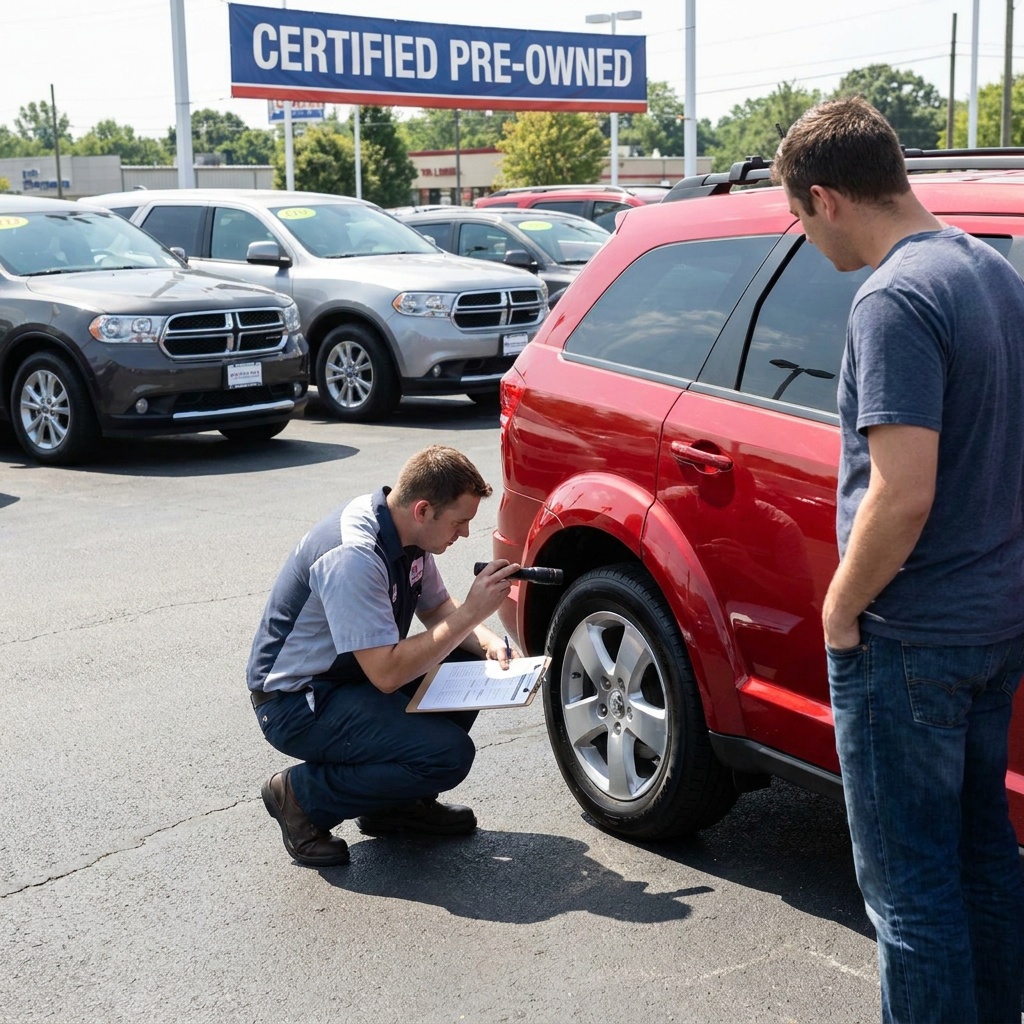
Choose a 2010 Dodge Journey when the decision is driven by space-per-dollar and a specific vehicle checks out under a disciplined inspection. It fits best when expectations are set for an older crossover and the purchase is based on evidence, not trim badges or photos.
Skip it when the shopping goal is modern efficiency, advanced safety tech, or a "just fuel it and forget it" ownership experience. In that situation, even a well-kept 2010 Journey can feel like the wrong tool for the job.