
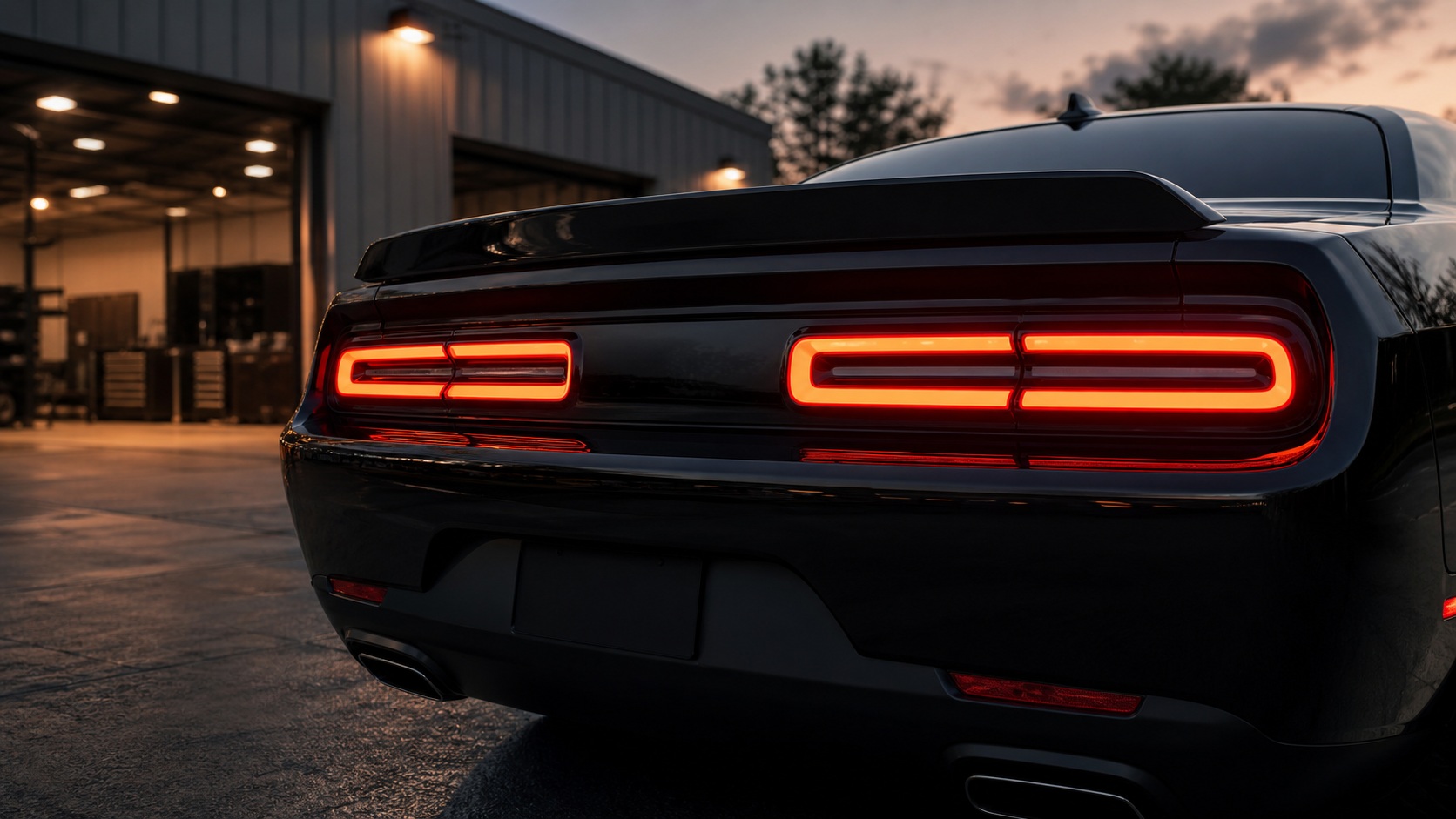
Last updated: July 2026. This guide focuses on Challenger generation fitment, lighting functions, connector style, lens choice, and owner-feedback patterns before style. Product links are limited to relevant Amazon pages and must still be checked against the fitment selector before ordering.
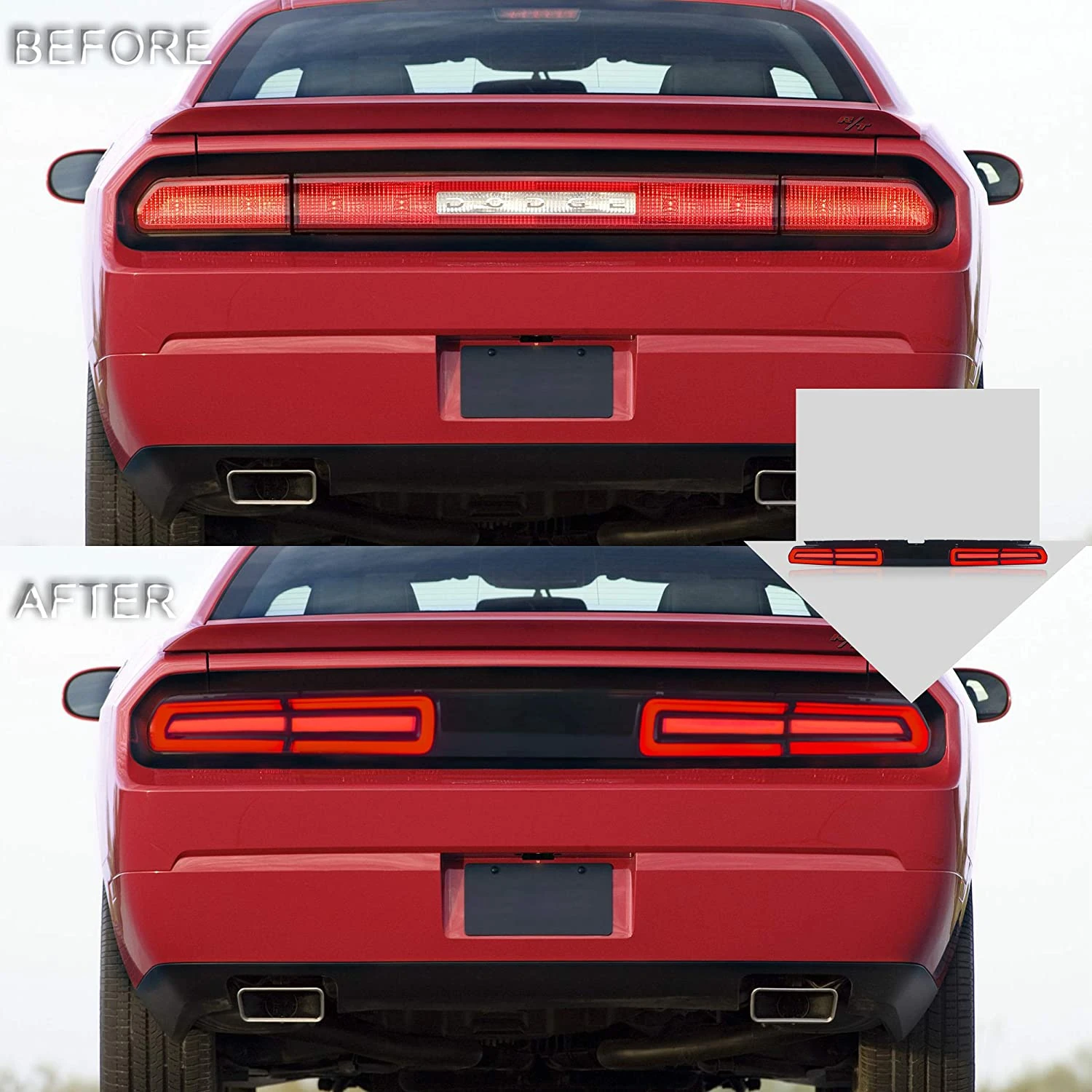
Short answer: split Dodge Challenger tail lights by generation before you shop. The 2008-2014 cars and 2015-2023 cars use different rear lamp designs, and a listing that looks close in photos can still be wrong for the harness, lens layout, reverse light, sequential signal behavior, or blind-spot-related hardware. If you cannot verify generation, lens color, wiring, and legal visibility, buy OEM-style replacement parts instead of smoked custom lamps.
Quick picks
| Slot | Best for | Fitment requirement | Publication status |
|---|---|---|---|
| OEM-style replacement tail light | VLAND-style LED tail lights 2008-2014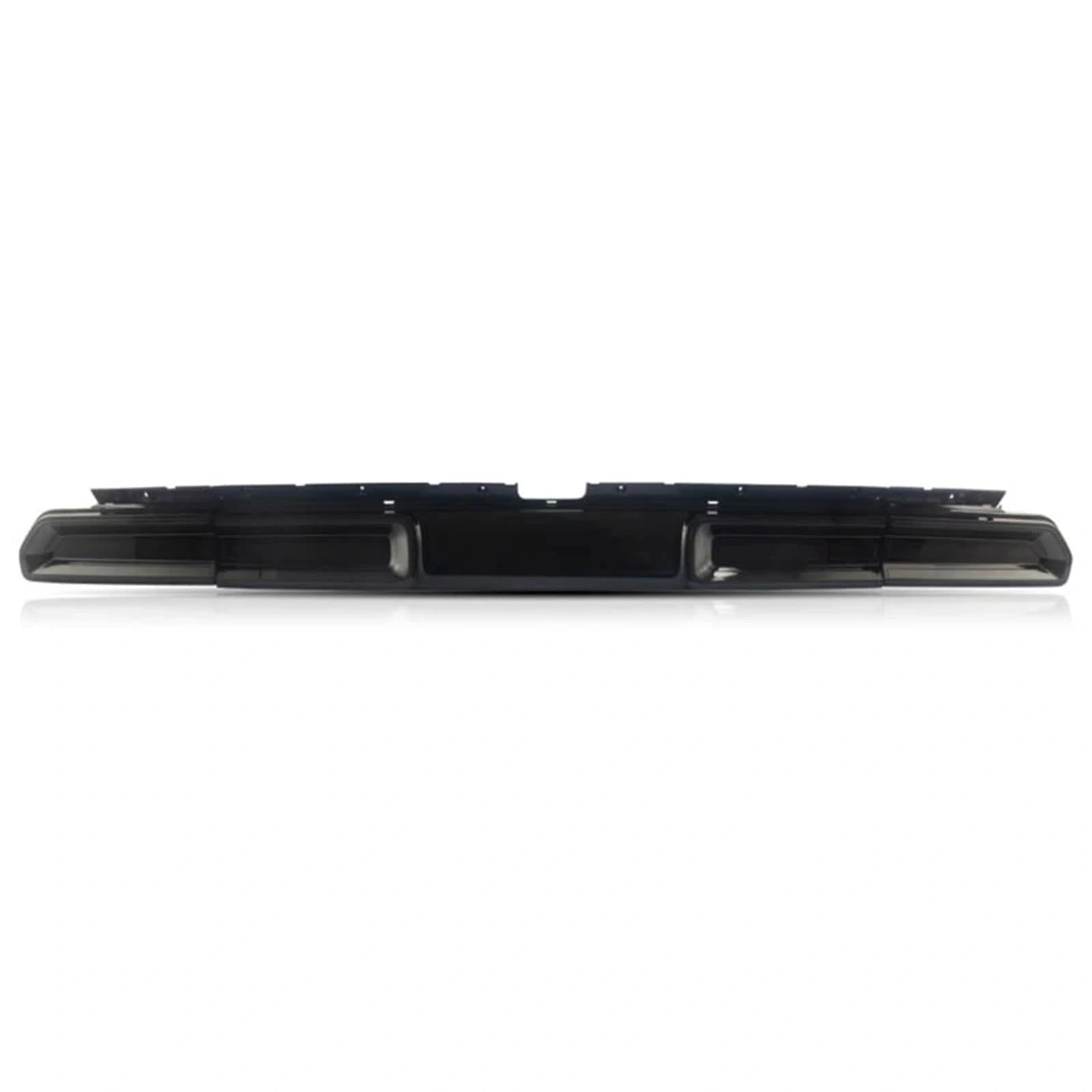
Best fit for early-generation custom LED lane; confirm exact listing details. |
Match exact year, side or pair quantity, lens style, and harness | Good starting point for 2008-2014 only |
| VLAND-style LED replacement | VLAND red-lens tail lights 2008-2014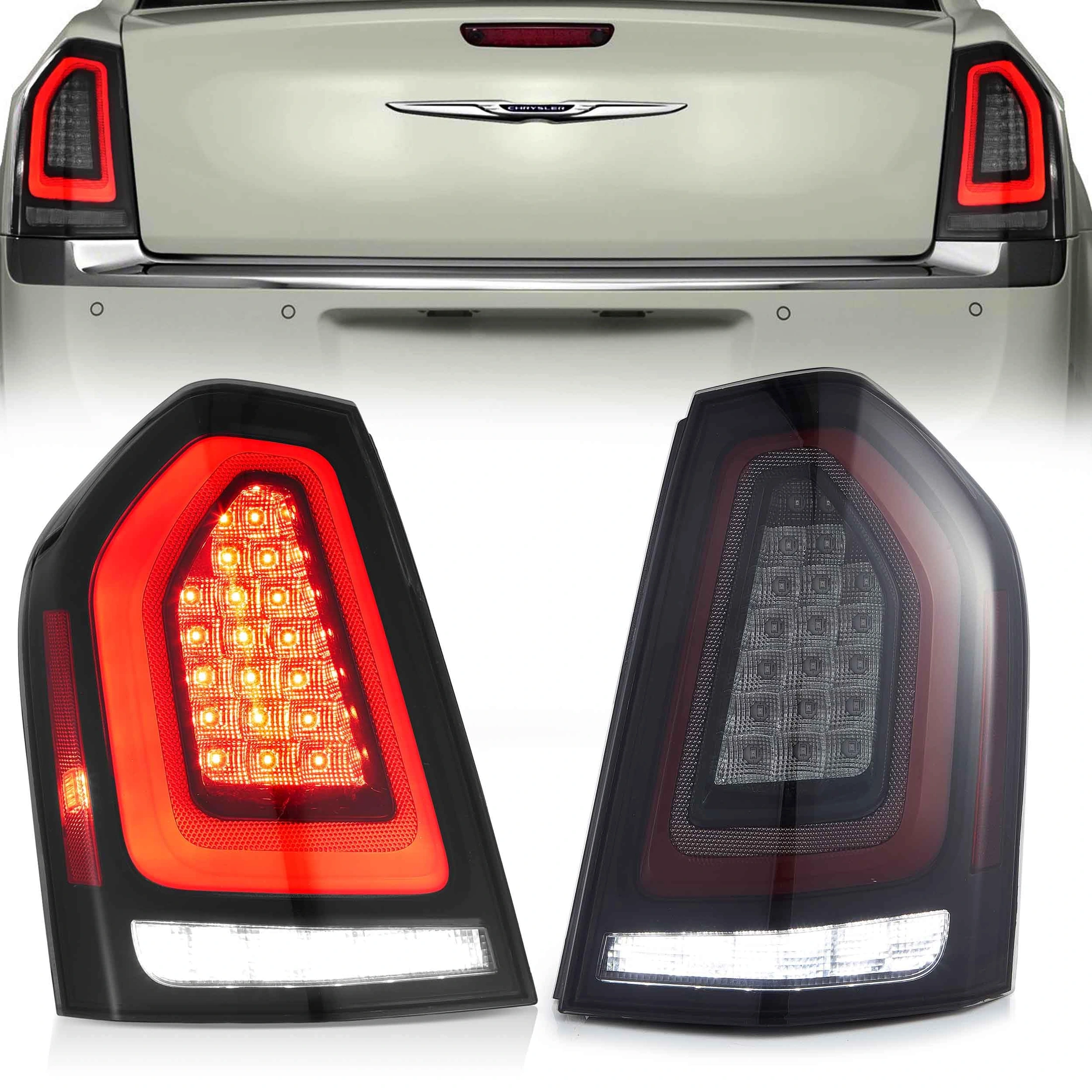
Use for early Challenger LED style lane; confirm wiring and DOT/SAE language. |
Must verify 2008-2014 coupe fitment, connector details, and lens color | Good starting point for early-generation cars |
| Alternative aftermarket lane | Use a current Anzo, Spec-D, or VLAND listing only when it names the exact Challenger generation. | Must verify model years, wiring, and lens compliance | Keep this lane fitment-led, not style-led |
| 2015-2023 OEM repair lane | Use a Mopar/OE-style replacement matched by VIN or exact side before buying. | Must verify compatibility with 2015-2023 lamp design and legal visibility | Do not force early-generation parts into newer cars |
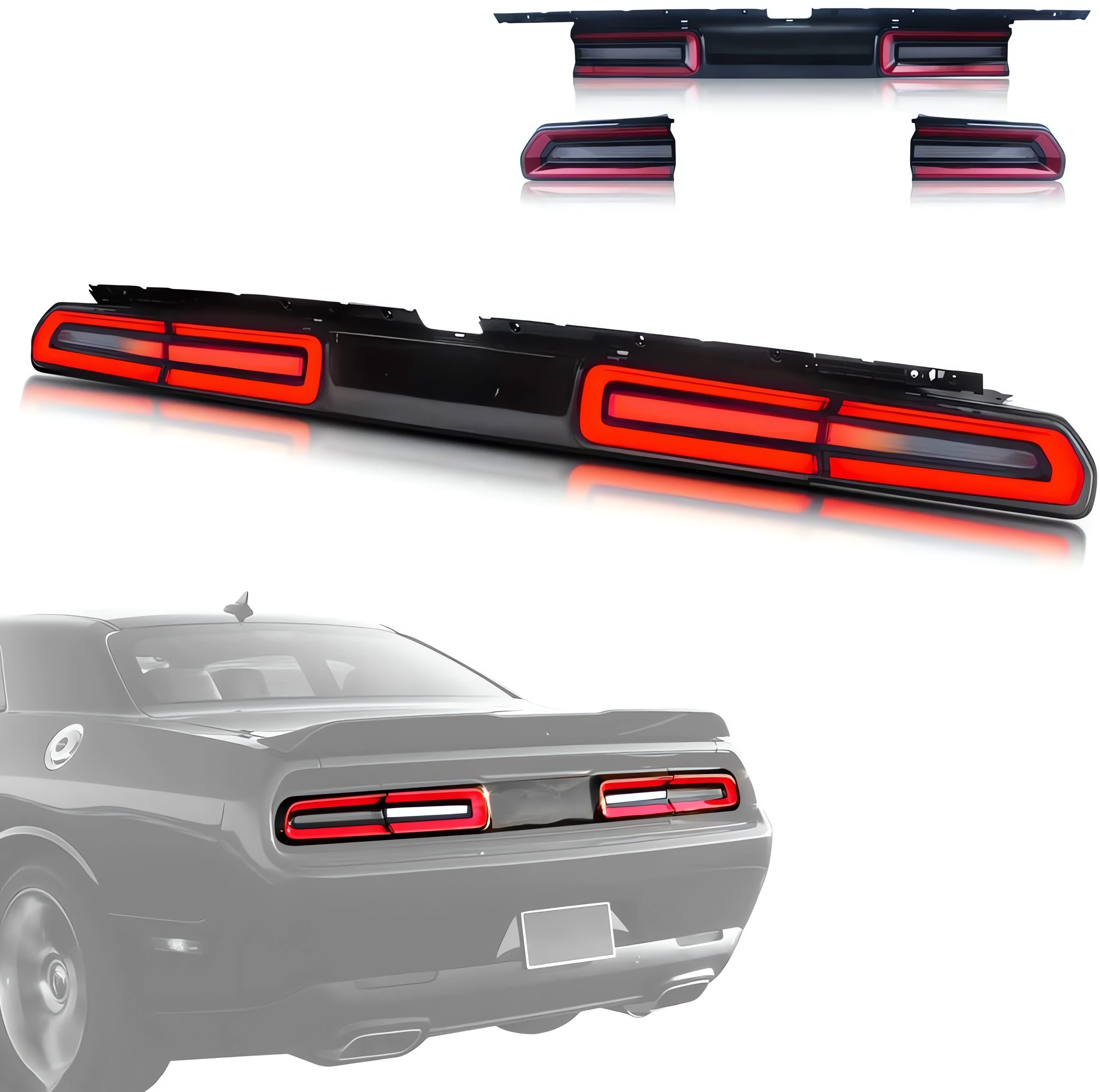
Fitment-first checklist
- Separate 2008-2014 and 2015-2023 Challenger listings. Do not mix them.
- Confirm the product is a tail light, not a headlight, marker light, or full lighting bundle.
- Verify coupe fitment, left/right side, and whether the listing sells one side or a pair.
- Check wiring harness compatibility and whether resistors or adapters are included.
- Look for clear DOT/SAE language in the live listing, but do not overstate legality. Local laws still matter.
- Be careful with smoked lenses. A dark lens can reduce visibility and may be illegal on the street.
- Check for condensation complaints, seal quality, and whether the listing supports reverse-light function correctly.
Generation table
| Challenger years | Shopping path | Main risk | What to verify |
|---|---|---|---|
| 2008-2014 | OEM-style replacement, VLAND-style LED, Anzo, Spec-D | Wrong generation listing or poor wiring support | Harness, lens color, pair vs single side, DOT/SAE language |
| 2015-2023 | OEM replacement first, then verified custom LED options | Assuming early-generation lamps fit later cars | Rear lamp design, reverse light, sequential behavior, legal brightness |
| Any year | Used OEM or Mopar-style replacement if compliance is uncertain | Smoked lenses, water intrusion, hyperflash, dash warnings | Seal quality, return policy, wiring, visibility, local regulations |
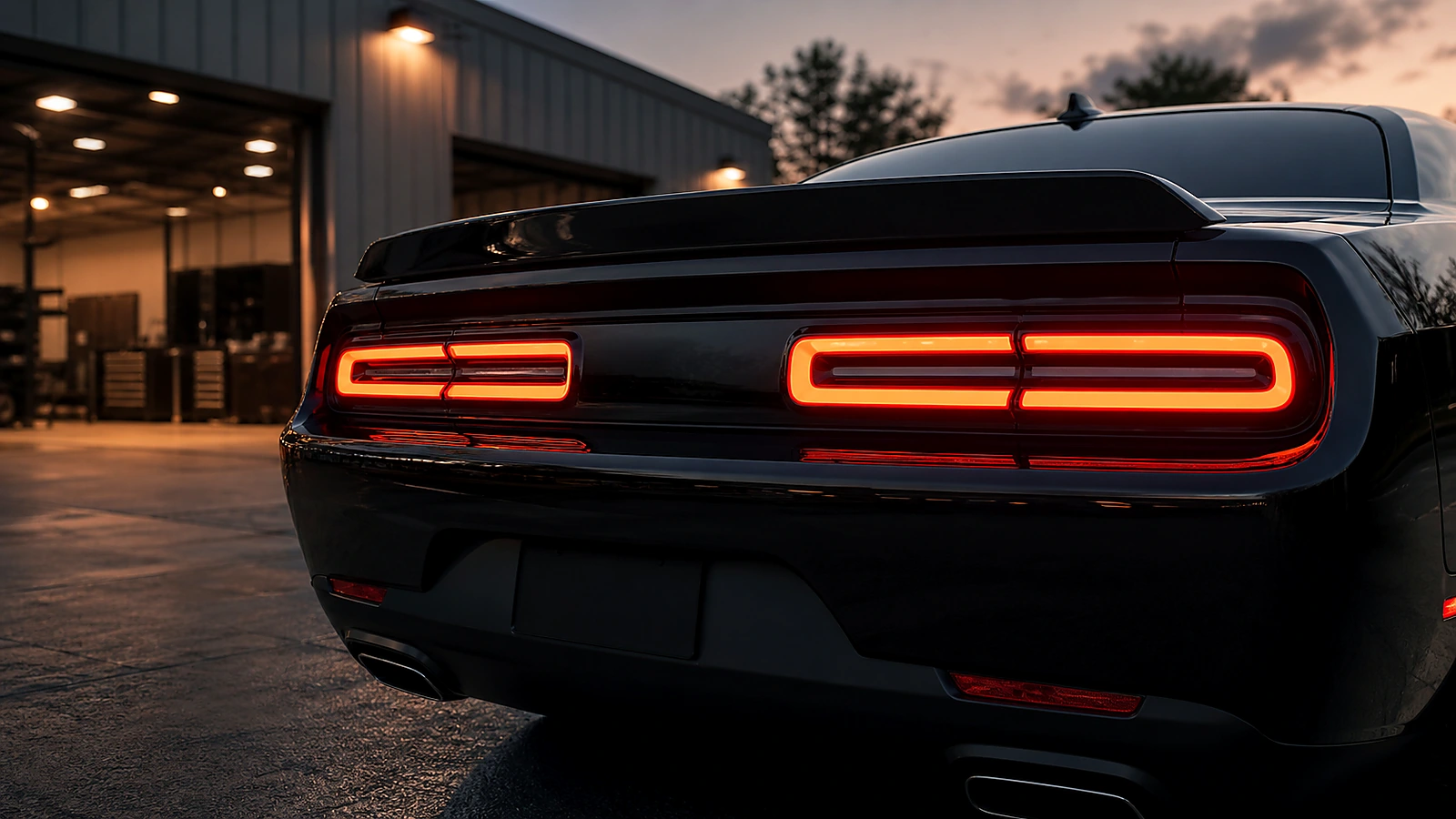
Comparison table
| Product slot | Best for | Model years | DOT/SAE status | Install difficulty | Main drawback |
|---|---|---|---|---|---|
| OEM-style replacement | Repairing broken, faded, or leaking factory lamps | Exact year required | Verify on live listing | Moderate DIY | Less custom appearance; OEM pricing can be higher |
| VLAND-style LED slot | Custom LED look on early cars | Target 2008-2014 only after live check | Confirm exact fitment and seller details before ordering | Moderate DIY | Old ASINs were unusable; condensation and wiring complaints must be checked |
| Anzo or Spec-D slot | Alternative aftermarket styling | Confirm generation, connector, lens color, and quantity | Confirm exact fitment and seller details before ordering | Moderate DIY | Fitment and seal quality vary by exact part number |
| Smoked or sequential LED slot | Show-style appearance | Needs exact listing match | Confirm DOT/SAE language and local lighting rules | Moderate to advanced | Can reduce visibility or trigger wiring issues if poorly matched |
Product sections
OEM-style Challenger tail light replacement slot
This is the safest recommendation when the buyer needs a repair, not a style change. OEM-style parts should match the car’s model year, side, lens design, and connector. They are also the best path for owners who do not want to gamble on smoked-lens visibility, sequential signal legality, or aftermarket sealing quality.
Before buying this slot, insert a live Amazon product only after confirming the exact year range, side or pair quantity, lens color, connector details, current availability, and review count.
VLAND-style LED tail light slot for 2008-2014 Challenger
The old page had VLAND-related ASINs, but every old ASIN in the provided source set is unusable. A VLAND-style slot can still be useful for early Challenger shoppers if a current listing is verified for 2008-2014 coupe fitment and the live page clearly explains wiring, reverse-light behavior, and DOT/SAE claims.
Do not publish this as a ranked product until the ASIN is live and the review count is checked. Also inspect owner feedback for condensation, uneven gaps, flicker, and turn-signal behavior.
Anzo or Spec-D aftermarket slot
Anzo and Spec-D belong in the alternative aftermarket lane for buyers who want custom styling without assuming every LED listing is the same. Each part number should be checked against generation, lens color, wiring harness, and return policy.
The published article should describe these as options until a live ASIN is selected. Avoid claims such as “DOT approved” unless the live listing and manufacturer language support the exact part.
2015-2023 sequential or custom LED slot
Later Challengers need their own slot because a 2008-2014 lamp assembly is not a shortcut for a 2015-2023 car. This slot should be filled only if the live listing names the later generation and provides clear installation notes.
Smoked and sequential options need extra caution. They may look good in product photos, but street legality and visibility depend on lens darkness, brightness, signal function, and local rules.
Buyer guide
OEM replacement vs custom LED
OEM-style tail lights are usually the right choice after damage, fading, or water intrusion. Custom LED lamps are a styling choice and should be judged by fitment, wiring quality, sealing, legal visibility, and return policy before appearance.
DOT/SAE and smoked-lens cautions
DOT/SAE markings and listing language should be verified on the exact product page. Even then, local enforcement and inspection rules can differ. A smoked lens that reduces brake-light visibility is not a good street recommendation, even if it photographs well.
Hyperflash, resistors, and wiring
LED swaps can cause hyperflash, warning lights, or intermittent behavior if the circuit does not match the car. Look for complete harnesses, load resistors where needed, and owner reports about flicker or errors.
Installation and maintenance notes
- Disconnect the battery if the installation instructions call for it.
- Protect painted surfaces around the trunk opening and rear quarter panels.
- Inspect gasket seating before tightening the lamp assembly.
- Test brake lights, running lights, reverse lights, turn signals, and hazards before reinstalling trim.
- After the first rain or wash, check for condensation and water intrusion.
Owner feedback synthesis
Owner feedback for aftermarket Challenger tail lights usually revolves around five issues: plug-and-play fit, brightness, water intrusion, hyperflash, and lens darkness. Positive reviews often praise the appearance, but the readerial ranking should treat poor sealing, weak brake-light visibility, and wiring errors as dealbreakers.
How to choose by repair goal
| Goal | Best path | Main verification step | Risk to watch |
|---|---|---|---|
| Replace a cracked lamp | OEM-style assembly | Match year, side, connector, and lens color | Buying a pair when only one side is needed, or the wrong side |
| Update an early Challenger | Verified 2008-2014 LED slot | Confirm harness and reverse-light behavior | Assuming a later-generation design will bolt in |
| Dark custom look | Lightly smoked lens only after legality check | Confirm brake and turn-signal visibility in daylight | Too-dark lenses that look good parked but reduce safety |
| Show-style sequential signal | Generation-specific sequential LED assembly | Confirm resistors, adapters, and no error-light reports | Hyperflash, flicker, or inspection trouble |
A tail-light page should not rank products only by appearance. The first editorial question is whether the assembly safely performs every required lighting function on the exact car. Brake lights, running lights, reverse lights, hazards, and turn signals are not optional style details. If the listing does not show the connector, side or pair quantity, supported year range, and wiring notes, it belongs in a option slot rather than a final recommendation.
Legal visibility and inspection checks
Smoked Challenger tail lights are tempting because they match black wheels, dark badges, and widebody styling, but the page should keep the safety language conservative. A dark lens can reduce the distance from which another driver sees braking or signaling. That matters in bright sun, rain spray, and night traffic. Even if a product page uses DOT or SAE language, the editor should avoid turning that into a blanket legal promise for every state, inspection station, or modified car.
The practical pre-publish check is to confirm what the live listing actually says, then keep the article wording narrow. “Listing states DOT/SAE” is safer than “street legal everywhere.” If the exact part number is not visible, or if the same listing mixes multiple generations, the claim should be omitted. Buyers should also remind owners that tint film, extra smoked overlays, weak bulbs, bad grounds, and poor wiring can make an otherwise acceptable lamp unsafe.
Condensation and seal troubleshooting
Water intrusion is one of the most important owner-feedback patterns for aftermarket tail lights. A small amount of temporary fogging can happen when temperature and humidity change, but standing water, repeated heavy condensation, or droplets inside the lens point to a seal, vent, or gasket problem. That should lower a product’s ranking even if the lamp looks excellent in photos.
Before installation, inspect the housing seam, gasket surface, vent location, and mounting studs. During installation, the lamp should sit evenly against the body without forcing one corner tight while another corner floats. Over-tightening can distort the housing or gasket, while under-tightening can leave a leak path. After the first wash or rain, inspect both sides from inside the trunk area and from outside the car. If one side fogs and the other does not, that is useful evidence for a fitment or seal issue rather than normal behavior.
Pre-publish product verification workflow
- Confirm the listing is truly for tail lights, not headlights or side markers.
- Separate 2008-2014 and 2015-2023 fitment before choosing any ASIN.
- Record whether the listing sells one side, both sides, or a complete rear set.
- Check connector photos, wiring instructions, resistor notes, and reverse-light notes.
- Read recent owner complaints for water intrusion, flicker, hyperflash, and poor daylight brightness.
- Do not add ratings, review counts, or compliance claims unless they are verified on the live product page.
Special notes for 2015-2023 Challengers
The later Challenger rear lamp design is a separate shopping lane, not a mild update to the early car. A listing may use broad Dodge Challenger wording while only fitting the earlier body style, and that is exactly the kind of ambiguity this page should avoid. Later cars can also involve trim-specific appearance details, different lamp layouts, and owner expectations around factory LED styling. If a custom assembly does not clearly name the later year range, it should not be used as a 2015-2023 recommendation.
Blind-spot monitoring and other driver-assistance features should be treated cautiously when rear lighting or bumper-area wiring is involved. Not every tail-light swap touches those systems directly, but a product page that uses generic compatibility language may not explain how the lamp interacts with the car’s existing harness or warning systems. The article should instruct the reader to prefer listings with clear installation documentation, visible connector details, and owner feedback from the same generation.
Installation test sequence before road use
After the lamp is mounted, the job is not finished until every lighting mode is tested. Turn on parking lights, press the brake pedal, use left and right turn signals, engage hazards, shift into reverse where safe, and check the lamps from several angles in daylight. If the car has a dash warning, hyperflash, intermittent flicker, or a weak reverse light, the issue should be solved before the car is driven in traffic.
A second person makes this test much easier because the driver can operate the controls while the observer checks the rear of the car. If working alone, use reflections from a garage door or wall only as a first check; it is still better to walk behind the car and confirm both sides directly. Also compare both lamps. Uneven brightness, different signal timing, or one side fogging after a wash may point to wiring, ground, or sealing problems.
When OEM-style is the better recommendation
Custom LED and smoked lamps can make sense for a style build, but OEM-style replacement remains the more conservative recommendation for many owners. If the car is a daily driver, passes regular inspection, or is used in heavy traffic and bad weather, visibility and predictable function matter more than a dramatic lens design. OEM-style also makes sense when only one side is damaged, because matching the existing opposite lamp can look cleaner than replacing both sides with a custom set.
Buyers should not make customization feel mandatory. A buyer with cracked, faded, or leaking factory lamps may simply need a correct replacement assembly with the right side, connector, and generation fit. That answer is less flashy, but it is often the most useful path.
FAQ
What tail lights fit a Dodge Challenger?
Only tail lights listed for your exact Challenger generation and year should be considered. Start by splitting 2008-2014 from 2015-2023.
Are smoked Challenger tail lights legal?
They may not be legal or safe if they reduce rear visibility. Check local rules and avoid any lens that makes brake or turn signals hard to see.
Do LED tail lights need resistors?
Some LED conversions need resistors or harness changes to prevent hyperflash or warning lights. Follow the exact product instructions.
Why do aftermarket tail lights get condensation?
Condensation can come from poor gasket seating, weak housing seals, or venting problems. Inspect seals before install and monitor after rain.
Do 2015-2023 tail lights fit older Challengers?
Do not assume interchange. Treat early and later Challenger tail lights as separate fitment paths.
Recommended next reads
Use these related DodgeGo guides to move from model context to ownership checks, fitment details, and relevant parts research.
- Model context: Dodge Challenger: The Best Crash Test Guide — safety ratings, crash-test interpretation, and inspection priorities.
- Parts and fitment: Best floor mats for Dodge Challenger: all-weather, carpet, and exact-fit options — exact-fit protection and current Amazon-linked floor-liner options.
- Related ownership guide: Carlex Design tuning studio worked on the interior of Dodge Challenger SRT Hellcat — additional exterior context, model details, and practical ownership takeaways.
- Recommended next read: Dodge Challenger SRT Hellcat vs Dodge Viper TA — more model-specific context, practical details, and ownership takeaways.